Company News

Hunan Great Steel Pipe Co., Ltd
FBE steel pipe export supply,FBE steel pipe export,FBE pipe shipment,international steel pipe supplier

How FBE Steel Pipe Export Orders Are Coordinated for Overseas Projects

Date: 2026-11-17
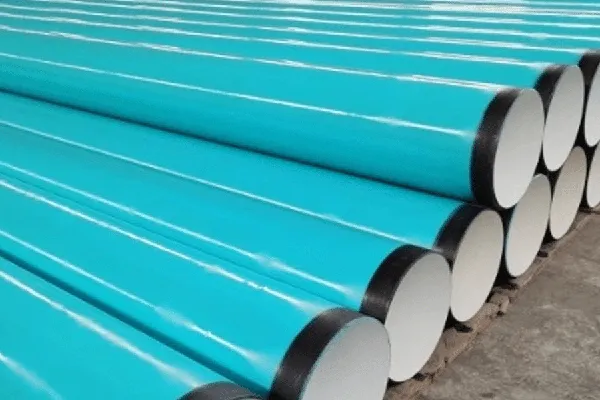
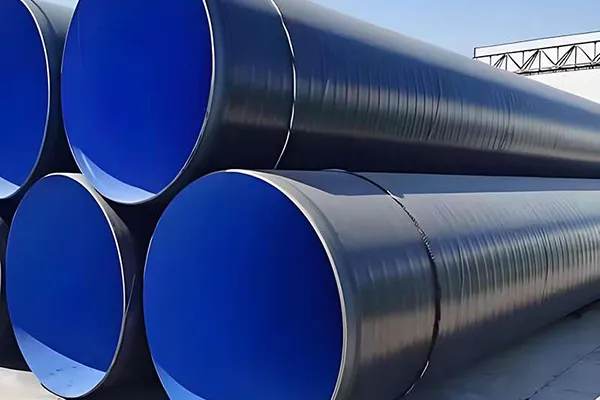
Exporting FBE coated steel pipes for an overseas pipeline project involves more than arranging production and booking shipment. The order must move through several connected stages, from technical specification review and pipe sourcing to coating coordination, inspection, documentation and delivery. Each stage needs to follow the approved purchase requirements. A mismatch in pipe specifications, coating details, inspection records or shipping documents can delay acceptance and affect the project schedule. A clear coordination process helps buyers maintain control over these details before the goods leave the country of origin.

1. Review Project Specifications Before Sourcing

The first step is to review the purchase order, technical specification and applicable project documents. The objective is to establish exactly what needs to be supplied and identify any requirements that need clarification. For the steel pipe, the review may cover:
  • Manufacturing standard and applicable edition
  • Steel pipe grade and product specification level, such as PSL1 or PSL2 where applicable
  • Manufacturing method, such as seamless, ERW, LSAW or SSAW
  • Outside diameter, wall thickness, length and quantity
  • End preparation, dimensional tolerances and supplementary requirements
The coating requirements should be reviewed separately. These may include the applicable coating standard, FBE coating system, specified thickness or coating class, cutback dimensions, inspection requirements and acceptance criteria. Any differences between the purchase order and technical documents should be resolved before sourcing begins. This reduces the risk of ordering material that does not match the project's final requirements.

2. Coordinate Steel Pipe Sourcing and Traceability

Once the technical requirements are confirmed, suitable production sources can be identified according to the required grade, dimensions, manufacturing method and delivery schedule. During sourcing and production coordination, pipe identification and material traceability need attention. Heat numbers, pipe numbers and material test certificates (MTCs) should be checked for consistency with the supplied products and the purchase requirements. Where multiple production batches are involved, the records should allow the relevant pipes to be identified and matched with their material documentation. Any substitution of material, grade or manufacturing source should be reviewed and approved in accordance with the contract before proceeding.

3. Coordinate FBE Coating Application

After the base pipe requirements are established, coating application needs to be coordinated with the relevant coating facility. For oil and gas pipeline projects, ISO 21809-2:2026 is a relevant reference for plant-applied, single-layer external FBE coatings within its stated scope. Other projects may specify different standards or coating systems, so the applicable requirements must be confirmed from the project documents. Before coating begins, the parties should align on the approved coating procedure and inspection plan. Key details may include surface preparation, application conditions, coating thickness, cutback, repair methods and inspection records. Powder batch information and coating records should also be retained where required. These documents help connect the finished coated pipes with the materials and processes used during application.

4. Arrange Inspection and Quality Documentation

Inspection requirements should be agreed before the inspection stage, rather than left until production is nearly complete. An approved Inspection and Test Plan (ITP) defines the inspection stages, methods, frequencies, acceptance criteria and required records. Depending on the contract, checks may include visual inspection, coating thickness measurement, holiday detection and specified coating performance tests. Customer or third-party inspection arrangements should also be confirmed in advance. Notification periods, inspection locations, witness points and hold points need to be clear to the relevant parties. Inspection findings should be recorded and any nonconformities addressed through the agreed corrective process. Where repairs or retesting are required, the corresponding records should be retained. A complete documentation package may include MTCs, coating records, inspection reports, approved procedures, packing lists and other certificates specified by the purchase order. Not every project requires the same documents; the contract and approved ITP determine the final scope.

5. Review Export Documents and Shipment Details

Before shipment, export documents should be checked against the purchase order, packing records and shipping instructions. Product descriptions, grades, dimensions, quantities, pipe identification and certificate references should be consistent across the relevant documents. Destination-specific certification, customs and import requirements should also be confirmed with the buyer before dispatch. Shipment planning involves more than selecting a vessel or transport route. The agreed Incoterms® rule and named port or place determine important cost, delivery and risk responsibilities between the seller and buyer. For example, FOB Shanghai, Incoterms® 2020 identifies a specific shipment port and rule version. Packing arrangements should protect the pipes and coating during handling and transportation. Loading schedules, shipping documents and delivery milestones should be coordinated with the production and inspection schedule to reduce avoidable delays.

6. What Should Buyers Expect from a Project-Oriented Supplier?

For an overseas pipeline project, buyers need a supplier that can coordinate more than the purchase of steel pipes. Technical clarification, production follow-up, inspection arrangements, document review and shipment planning all affect whether an order is delivered in line with the contract. Hunan Great Steel Pipe Co., Ltd. supports project-based steel pipe supply through material sourcing, production coordination, factory inspection arrangements, documentation review and export delivery coordination. The specific scope is agreed according to each project's technical and commercial requirements.


FAQ

Q1: What information is needed to arrange an FBE steel pipe export order?
A1: Buyers should provide the pipe standard, grade, manufacturing method, dimensions, quantity, coating requirements, inspection scope, destination and expected delivery schedule. Project specifications and supplementary requirements are also useful.

Q2: Can inspection be arranged before shipment?
A2: Yes. Inspection can be coordinated according to the approved ITP and contract requirements. The inspection location, notification period, witness points and acceptance criteria should be agreed in advance.

Q3: What documents are normally required for FBE coated steel pipe exports?
A3: Typical documents may include MTCs, coating inspection reports, packing lists, commercial invoices and transport documents. Additional certificates or test records depend on the purchase order, project specification and destination requirements.

Q4: Can FBE coated steel pipes be supplied from an overseas warehouse?
A4: This depends on actual stock availability and whether the stored pipes match the project's specifications. Buyers should verify the stock owner, physical availability, grade, dimensions, coating condition, quantity and local delivery arrangements before relying on warehouse stock.

Planning an FBE coated steel pipe order for an overseas project? Hunan Great Steel Pipe Co., Ltd. can support specification review, sourcing coordination, inspection arrangements, documentation review and export delivery planning based on your project requirements.

Latest news list

  • prevent FBE steel pipe coating,FBE pipe handling,FBE coated pipe transportation,FBE coating repair,FBE steel pipe coating inspection
    Fusion-bonded epoxy (FBE) coating provides external corrosion protection for steel pipes used in steel pipeline systems,However,even a properly applied coating can be damaged after leaving the coating facility,Scratches,impact marks,and abrasion may occur during lifting,transportation,storage,or installation,potentially exposing the steel surface to corrosion,Preventing this damage requires more than careful handling at one stage,Protection should be considered throughout the supply and construction process,from loading and delivery to trench installation and final inspection,
  • buying FBE steel pipe internationally,FBE steel pipe supplier,FBE coated pipe procurement,FBE pipe export purchasing
    Buying FBE coated steel pipe from an overseas supplier involves more than comparing prices,Buyers need to confirm the base pipe specifications,coating requirements,inspection arrangements,shipping terms and delivery schedule before placing an order,A low quotation may not represent the best value if important technical requirements or destination costs have been left out,
  • FBE steel pipe field joint coating,FBE pipe welding protection,field joint coating,FBE coating repair,FBE field joint inspection
    FBE (fusion-bonded epoxy) coating provides external corrosion protection for steel pipes used in pipeline projects,However,during pipeline construction,the coating near pipe ends must be protected while individual pipe sections are joined by welding,The exposed joint area then requires a suitable field joint coating system,If this work is not properly controlled,damage or poor bonding at the joint can compromise the continuity of the pipeline's corrosion protection,Protecting the factory coating and applying the correct field joint system are therefore important parts of pipeline construction,
  • how to choose FBE coated steel pipe,FBE pipe selection,FBE coated pipeline requirements,FBE coated steel pipe size,FBE coated steel pipe purchase
    Selecting FBE coated steel pipes for a pipeline project involves more than specifying pipe diameter,wall thickness and coating thickness,Buyers must consider the base pipe,coating system,operating environment,installation conditions and inspection requirements as one coordinated package,A well-defined purchase specification helps prevent material mismatches,coating defects and documentation gaps before production begins,The following points provide a practical checklist for engineers,EPC contractors and procurement teams,
  • FBE coating and cathodic protection,FBE coated steel pipe,external pipeline corrosion control,cathodic protection monitoring,FBE coating disbondment
    Buried steel pipelines are exposed to moisture,soil chemicals and other environmental conditions that can cause external corrosion,To reduce this risk,pipeline projects commonly combine external fusion-bonded epoxy (FBE) coating with cathodic protection (CP),Although both methods help protect steel against corrosion,they work in different ways,FBE coating provides a physical barrier between the pipe surface and its surroundings,while cathodic protection uses an electrochemical process to reduce corrosion at exposed areas,Their effectiveness depends on proper design,installation,inspection and long-term monitoring,

Find what you need ?

close
We use cookies and other tracking technologies to improve your browsing experience on our website, to show you personalized content and targeted ads, to analyze our website traffic, and to understand where our visitors are coming from.