Company News

Hunan Great Steel Pipe Co., Ltd
oil casing export,oil casing shipment,oil casing inspection,oilfield project procurement,oil casing delivery

How Are Oil Casing Orders Coordinated for Overseas Projects

Date: 2026-10-20
Supplying oil casing for an overseas drilling project involves more than arranging shipment. Product specifications, connection requirements, inspection records, packing and delivery schedules must align with the purchase order and project requirements. For drilling contractors, EPC procurement teams and oilfield buyers, a structured coordination process helps identify discrepancies before dispatch and keeps technical and logistics requirements aligned. The exact workflow depends on the order scope, applicable specifications and contractual responsibilities.

1. Confirm the Oil Casing Specification

The first step is to review the inquiry, purchase order, material list and relevant technical documents. Key details include the applicable standard and edition, steel grade, outside diameter, wall thickness or specified mass, length range, connection type, coupling requirements and quantity. Thread and connection details deserve particular attention. The specified casing connection, end finish and associated accessories should match the approved requirements. Where project documents specify special inspection, marking or documentation, these requirements should be identified before the order is confirmed. For products ordered to API specifications, buyers should verify the edition and applicable addenda or errata stated in the contract. API Spec 5CT covers casing and tubing technical delivery requirements, while API Spec 5B addresses relevant threaded connection requirements. The applicable requirements should be checked against the actual order rather than assumed from a standard name alone. 

2. Coordinate Sourcing and Delivery Milestones

Once the specification is agreed, the supply plan should reflect the required grades, dimensions, quantities, inspection scope and requested delivery date. Depending on the order, coordination may involve confirming product availability, arranging supply or production with the relevant manufacturer, tracking outstanding technical questions and aligning inspection and documentation milestones. A realistic schedule should be based on confirmed information, not a generic lead-time estimate. If quantities, specifications or inspection requirements change, the parties should assess the effect on supply, document preparation, packing and dispatch. Recording approved changes helps prevent discrepancies between the purchase order, supplied products and shipping documents.

3. Arrange Inspection and Review Quality Documents

Inspection requirements should be agreed before dispatch. Depending on the contract and product specification, these may include dimensional checks, material verification, connection inspection, specified testing and third-party inspection. Thread inspection and gauging requirements should follow the applicable specification and agreed inspection scope. Any additional testing or inspection should be confirmed in advance rather than assumed to be included in every order. Document review should establish consistency between product identification, grade, dimensions, quantities and the required quality records. Where material test certificates, inspection reports or release documents are specified, the records should correspond to the supplied products. Clear documentation supports the buyer's receiving inspection and helps maintain traceability throughout the project.

4. Protect Oil Casing During Packing and Transport

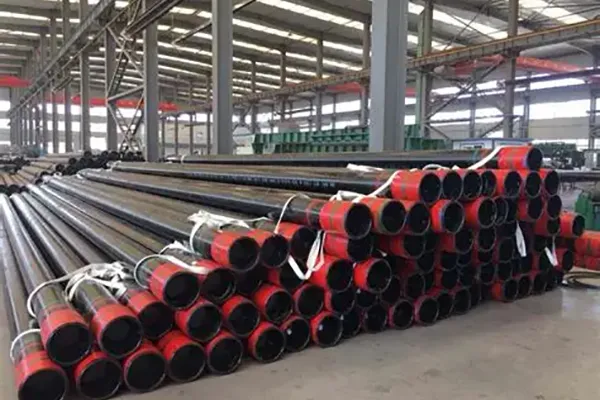
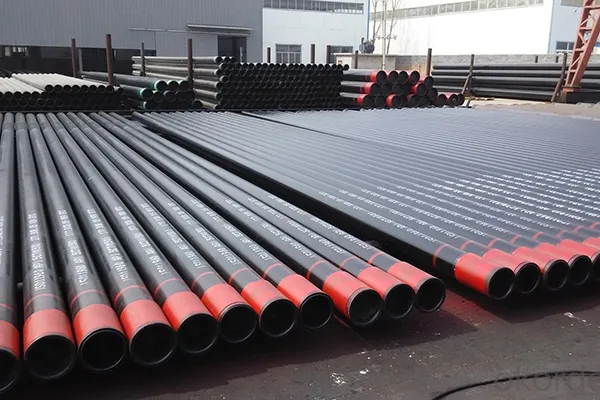
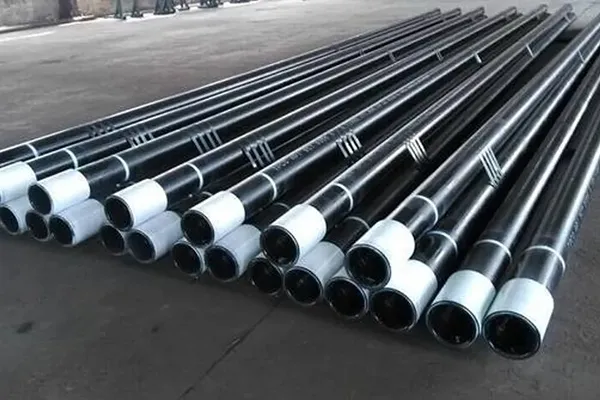
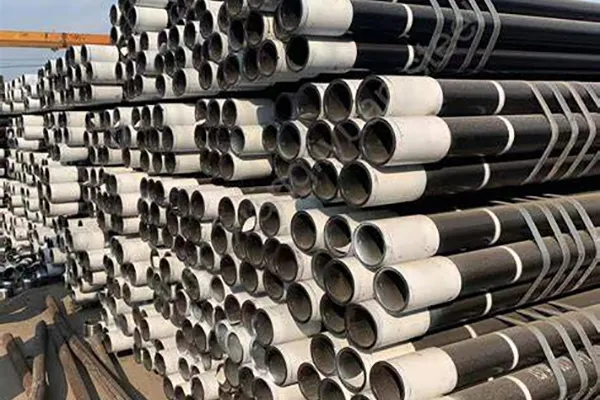
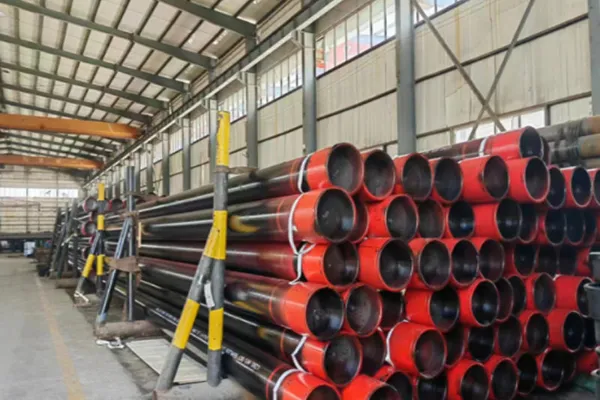
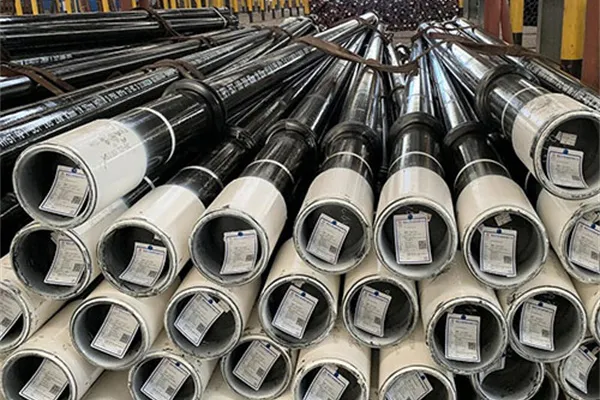
Oil casing requires suitable handling and packing arrangements to protect the pipe body, ends and threaded connections. Thread protectors should meet the agreed requirements, and handling methods should reduce the risk of impact or thread damage. The packing and loading plan should account for product dimensions, weight, transport method, destination and safe handling requirements. Product identification and package markings should remain readable and consistent with the shipping records. Before dispatch, the responsible parties should confirm the agreed packing method, quantities, marking requirements and any special transportation instructions. Suitable arrangements help reduce avoidable damage and make receiving checks more efficient.

5. Coordinate Export Documents and Shipping

An overseas casing order may require commercial documents, a packing list, transport documents and product quality records. The exact package depends on the contract, destination and shipping arrangement. The documentation team should check that product descriptions, quantities, package references and other required details are consistent across the relevant records. Any specified certificates, inspection releases or shipping instructions should be addressed within the delivery plan. Freight, insurance, customs documentation and final delivery responsibilities should be clear under the agreed commercial terms. Identifying these responsibilities early can help prevent avoidable delays caused by missing information or unclear handovers.

6. Keep Communication Clear Through Dispatch

International orders may involve the buyer, supply coordinator, manufacturer, inspection personnel and logistics providers. A clear point of contact helps each party understand the status of technical review, supply, inspection, documentation and dispatch. Before shipment, confirm the quantity released for dispatch, packing status, required documents and planned shipping arrangements. If a technical discrepancy, inspection issue or transport change affects the schedule, communicate it promptly so the project team can update its receiving plan. For repeat orders, retaining approved specifications and documentation requirements can also reduce repeated clarification and improve procurement consistency.

Prepare a Complete Oil Casing Inquiry

To support an accurate quotation and practical delivery plan, buyers should provide:
  • Applicable standard and required edition
  • Steel grade, outside diameter, wall thickness or mass, and length range
  • Connection type, thread requirements and coupling details
  • Quantity and any project-specific technical requirements
  • Inspection scope, testing requirements and quality documentation
  • Packing instructions, destination and requested delivery date
  • Applicable commercial and shipping terms
Hunan Great Steel Pipe can review oil casing supply inquiries and coordinate the required scope according to the agreed project specifications. Supply arrangements, inspection activities and delivery commitments should be confirmed for each order.

FAQ

Q1: What should an overseas oil casing inquiry include?
A1: Provide the applicable standard and edition, grade, dimensions, length range, connection and coupling requirements, quantity, inspection scope, documentation requirements and destination.
Q2: Is third-party inspection always required for oil casing?
A2: No. It depends on the contract, project specification and buyer requirements. Required inspection points should be agreed and arranged before dispatch.
Q3: How can buyers reduce oil casing delivery delays?
A3: Confirm technical details early, resolve specification gaps, agree on inspection and documentation requirements, and coordinate packing and shipping against a realistic schedule.
Q4: Which standards may apply to oil casing orders?
A4: API Spec 5CT may apply to casing and tubing, while API Spec 5B addresses relevant threaded connections. The required standards and editions must be confirmed against the purchase order and project requirements.

  • Prev : How to Extend the Service Life of Oil Casing
  • Next : No matching information found
  • Tags : oil casing export , oil casing shipment , oil casing inspection , oilfield project procurement , oil casing delivery

Latest news list

  • oil casing service life,oil casing integrity management,oil casing corrosion,oil casing wear,oil casing maintenance
    Oil casing must withstand mechanical loads,pressure changes,temperature variations and potentially corrosive well fluids throughout its service life,Its long-term performance depends not only on the casing grade selected at procurement,but also on well design,operating conditions and integrity management,
  • oil casing grades comparison,J55 casing,K55 casing,N80 casing,P110 casing,casing grade selection
    Choosing the right oil casing grade affects load capacity,specification compliance and procurement cost,J55,K55,N80 and P110 are commonly specified under API 5CT,but they are not interchangeable simply because their dimensions are similar,The correct choice depends on the approved casing design,required mechanical properties,connection performance and service conditions,
  • oil casing corrosion,sour service casing,CO₂ corrosion in oil wells,H₂S material selection,oil well corrosion management,casing integrity
    Oil casing in corrosive well environments must meet both mechanical design requirements and the demands of the service environment,Carbon dioxide (CO₂),hydrogen sulfide (H₂S),chlorides,water chemistry and temperature can influence corrosion behavior and material suitability,Choosing a casing grade based on strength alone may leave important risks unaddressed,
  • how to choose oil casing,oil casing selection,oil casing buying guide,oil casing procurement,oil casing specifications
    Choosing the right oil casing requires more than matching a nominal diameter or selecting a higher-strength steel grade,Casing must meet the well design,expected mechanical loads,connection requirements and service environment,For drilling contractors,EPC procurement teams and international buyers,confirming these requirements before ordering helps reduce specification errors,delivery delays and costly changes during project execution,
  • oil casing failure signs,casing integrity problems,annular pressure monitoring,oil well casing damage,casing failure diagnosis,oil casing inspection
    Oil casing provides structural support and helps maintain well integrity throughout drilling and production,When casing or related well barriers deteriorate,the consequences may include leakage,operational interruptions and increased safety risks,However,casing damage is not always visible at the surface,and early warning signs do not necessarily confirm a failure,

Find what you need ?

close
We use cookies and other tracking technologies to improve your browsing experience on our website, to show you personalized content and targeted ads, to analyze our website traffic, and to understand where our visitors are coming from.