Industry News

Hunan Great Steel Pipe Co., Ltd
oil casing storage and handling,casing thread protection,casing receiving inspection,oil casing transportation

How to Store and Handle Oil Casing Before Installation

Date: 2026-10-20
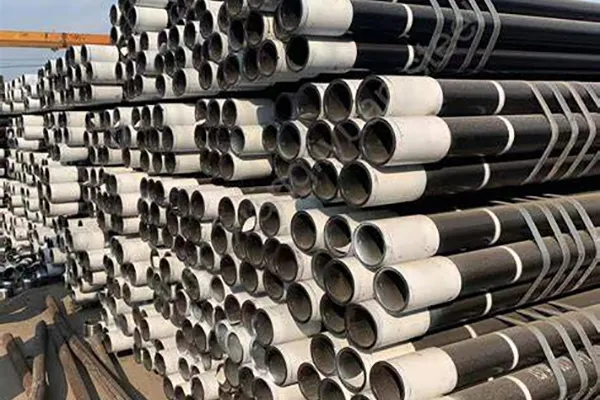
Oil casing needs proper protection from delivery through installation. Poor lifting practices, damaged thread protectors, unsuitable storage conditions or lost product identification can create problems before casing reaches the well. For drilling contractors, site managers and procurement teams, careful receiving, storage and handling help preserve product condition and prevent avoidable delays. The correct procedure depends on casing dimensions, connection type, storage duration, local weather and project requirements. The following practices provide a practical framework for managing oil casing before installation.

1. Inspect Oil Casing When It Arrives

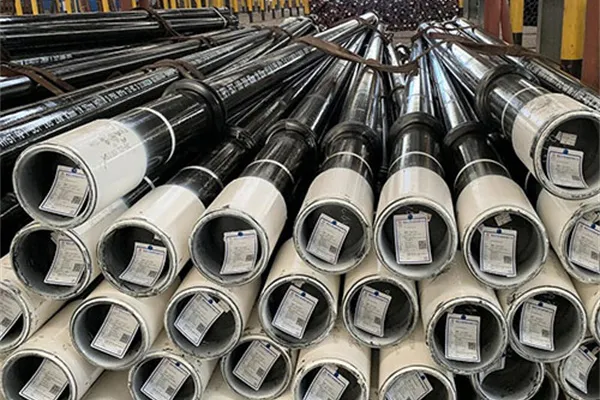
Start by comparing the shipment with the purchase order, packing list and required material documentation. Check the quantity, product identification, grade markings where applicable, dimensions and visible condition. Look for impact marks, bent pipe bodies, corrosion, damaged ends, missing thread protectors or other signs of mishandling. Confirm that the available inspection documents correspond to the delivered products and required specifications. Record any damage, missing identification or documentation discrepancy in the receiving inspection records. Where necessary, keep affected joints identifiable and segregated until the responsible quality personnel determine whether they can be accepted for use. Do not assume that a damaged item is suitable for installation simply because it arrived with the correct paperwork.

2. Protect Casing Threads and Connections

Casing threads and connections require particular attention because damage or contamination may interfere with connection preparation and make-up. Keep thread protectors securely fitted during handling and storage. Check that protectors are present, properly seated and free from obvious damage. They should help protect the connections from impact, dirt and moisture, but their presence does not prove that the threads underneath are undamaged. Before running the casing, remove the protectors and inspect the connections according to the applicable procedure and product requirements. Follow the specified requirements for thread cleaning, inspection and thread compound. Do not use improvised repairs on damaged connections or force components together when a connection appears defective. For casing supplied to API Spec 5CT, use the applicable edition and purchase requirements to determine the relevant thread-protection and connection requirements.

3. Use Appropriate Lifting and Handling Methods

Casing joints should be moved with equipment suitable for their length, weight, dimensions and connection design. Follow the approved site lifting plan, equipment instructions and applicable safety procedures. Avoid dropping, dragging or allowing joints to strike one another. Prevent pipe ends and connections from hitting the ground, storage racks or other hard surfaces. Use suitable lifting accessories and handling arrangements for the product rather than assuming that one method works for every casing size. Lifting operations should be controlled by trained personnel. Keep workers clear of suspended loads and establish appropriate exclusion zones. If a joint experiences an impact or uncontrolled movement, inspect it according to the site's procedure before returning it to the accepted stock.

4. Store Casing in Suitable Conditions

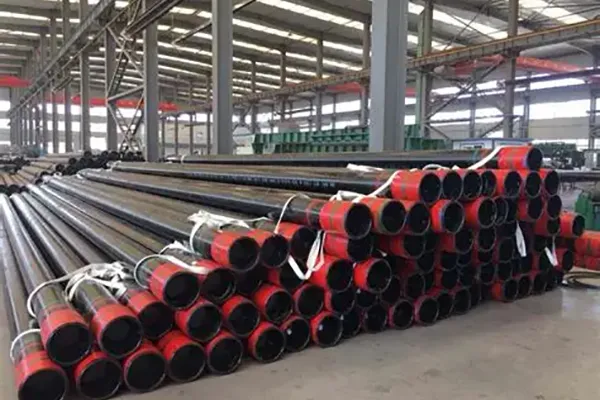
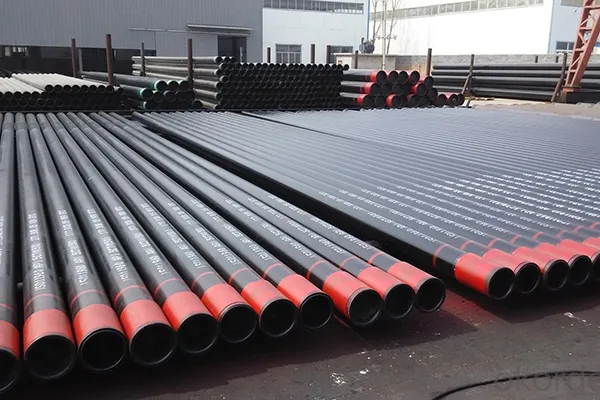
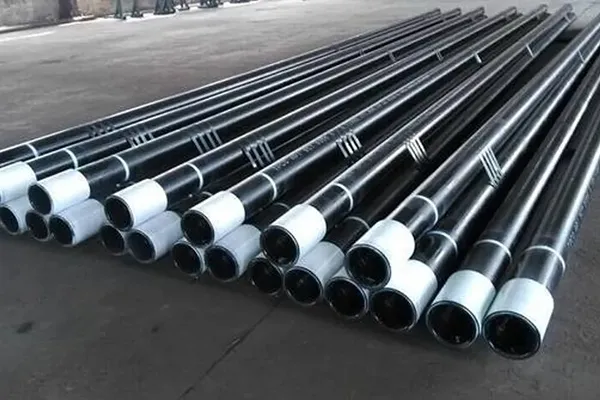
Choose a storage area that supports safe access, clear identification and protection from avoidable damage. Where practical, keep casing away from standing water, soil, mud, abrasive debris and activities that could damage the pipe body or connections. Use suitable supports or racks designed for the casing's weight and geometry. Arrange the stock to prevent uncontrolled movement, excessive bending and contact damage. Stacking height, support spacing and restraint methods should be determined by the product characteristics, storage system and site risk assessment—not by a universal rule. For outdoor or extended storage, consider the local climate, exposure to moisture and the protection specified for the product. Additional corrosion protection may be necessary in certain environments, subject to the applicable requirements. Inspect stored casing periodically, especially after severe weather, relocation or signs of damage.

5. Maintain Identification and Inventory Records

Casing may be moved between receiving areas, storage yards and the well site. Throughout these movements, maintain the identification and records needed to connect each product to its order and material documentation. Keep different grades, dimensions and connection types clearly identified and segregated where mixing could lead to incorrect selection. Update inventory records when joints are relocated, inspected, accepted or placed on hold. Clear identification reduces the risk of selecting the wrong casing for the approved casing program and helps resolve discrepancies before they affect site operations.

6. Complete Pre-Installation Checks

Before installation, verify that the selected casing matches the approved casing program and purchase requirements. Confirm the grade, dimensions, connection type and product identification. Check the pipe body and connections using the specified inspection procedure, and ensure that required records are available. Any suspected damage, missing identification or unresolved discrepancy should be referred to the responsible personnel before the joint is released for use. During installation, the approved running procedure and connection requirements remain the controlling references.

FAQ

Q1: Can oil casing be stored outdoors?
A1: Outdoor storage may be suitable when the product requirements, weather conditions and protection arrangements allow it. Keep casing properly supported, identifiable and protected from avoidable damage, contamination and moisture-related deterioration.
Q2: Should thread protectors remain on casing during storage?
A2: Generally, yes. Keep protectors fitted during storage and handling, following the product requirements. Remove them for the required connection inspection and preparation before running.
Q3: What should I do if casing arrives damaged?
A3: Record the damage, maintain identification and segregate the affected joint where appropriate. Follow the agreed inspection and acceptance procedure before deciding whether it can be used.
Q4: Why is casing identification important before installation?
A4: Identification helps confirm that the selected casing matches the required grade, dimensions and connection type. Maintaining traceability also supports document verification and discrepancy resolution.

Support for Oil Casing Supply and Project Delivery

Clear product specifications, consistent identification, appropriate inspection records and suitable packing arrangements help reduce avoidable issues between dispatch and installation. Hunan Great Steel Pipe Co., Ltd. can coordinate oil casing supply requirements, inspection documentation and export delivery arrangements according to the project scope.

Latest news list

  • oil casing export,oil casing shipment,oil casing inspection,oilfield project procurement,oil casing delivery
    Supplying oil casing for an overseas drilling project involves more than arranging shipment,Product specifications,connection requirements,inspection records,packing and delivery schedules must align with the purchase order and project requirements,
  • oil casing service life,oil casing integrity management,oil casing corrosion,oil casing wear,oil casing maintenance
    Oil casing must withstand mechanical loads,pressure changes,temperature variations and potentially corrosive well fluids throughout its service life,Its long-term performance depends not only on the casing grade selected at procurement,but also on well design,operating conditions and integrity management,
  • oil casing grades comparison,J55 casing,K55 casing,N80 casing,P110 casing,casing grade selection
    Choosing the right oil casing grade affects load capacity,specification compliance and procurement cost,J55,K55,N80 and P110 are commonly specified under API 5CT,but they are not interchangeable simply because their dimensions are similar,The correct choice depends on the approved casing design,required mechanical properties,connection performance and service conditions,
  • oil casing corrosion,sour service casing,CO₂ corrosion in oil wells,H₂S material selection,oil well corrosion management,casing integrity
    Oil casing in corrosive well environments must meet both mechanical design requirements and the demands of the service environment,Carbon dioxide (CO₂),hydrogen sulfide (H₂S),chlorides,water chemistry and temperature can influence corrosion behavior and material suitability,Choosing a casing grade based on strength alone may leave important risks unaddressed,
  • how to choose oil casing,oil casing selection,oil casing buying guide,oil casing procurement,oil casing specifications
    Choosing the right oil casing requires more than matching a nominal diameter or selecting a higher-strength steel grade,Casing must meet the well design,expected mechanical loads,connection requirements and service environment,For drilling contractors,EPC procurement teams and international buyers,confirming these requirements before ordering helps reduce specification errors,delivery delays and costly changes during project execution,

Find what you need ?

close
We use cookies and other tracking technologies to improve your browsing experience on our website, to show you personalized content and targeted ads, to analyze our website traffic, and to understand where our visitors are coming from.