Company News

Hunan Great Steel Pipe Co., Ltd
electric resistance welded,casing and tubing,efw pipe

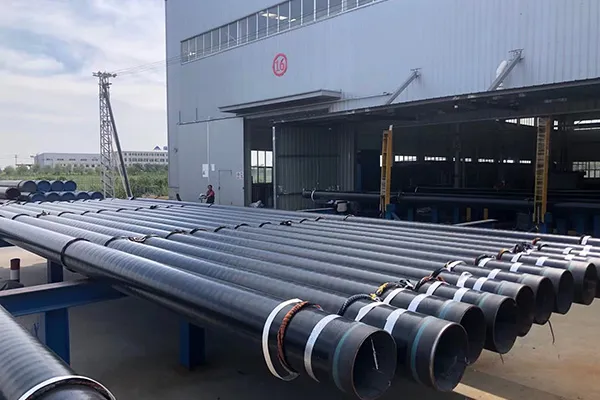
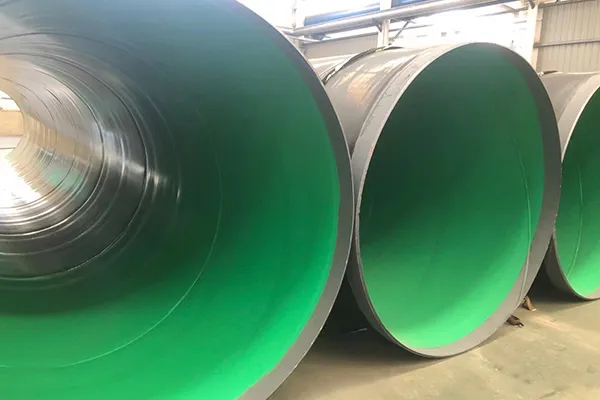
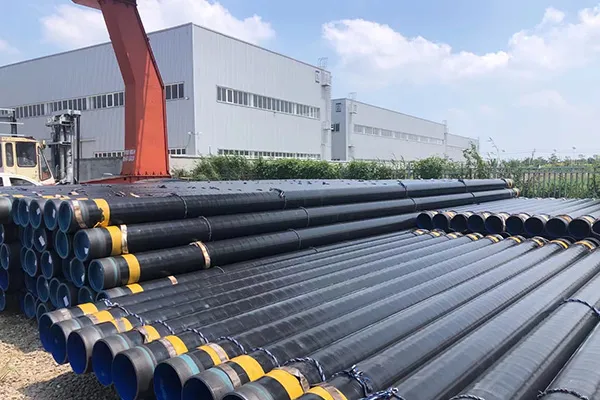
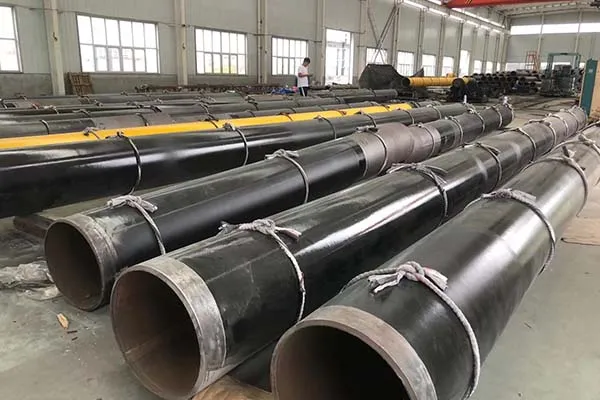
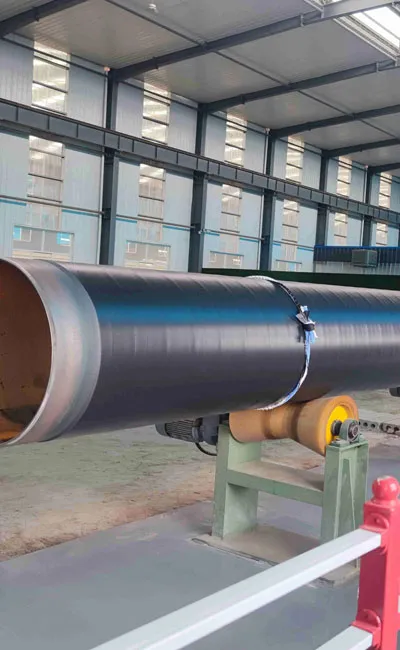
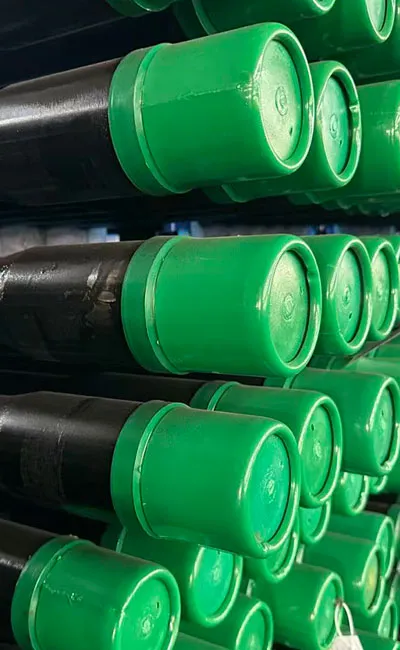
Anti-corrosion construction steps of anti-corrosion steel pipes

Date: 2020-06-05
Anti-corrosion construction steps of anti-corrosion steel pipes Anti-corrosion construction steps of anti-corrosion steel pipes 1. The substrate must be strictly surface-treated. The steel substrate must be derusted and degreased. The phosphating treatment can be determined according to the specific situation. 2. To ensure the necessary coating thickness, the thickness of the anti-corrosion coating must exceed its critical thickness to play a protective role, generally 150μm ~ 200μm. 3. Control the environmental factors such as temperature and humidity at the painting site; the relative humidity varies depending on the species, generally about 65%. There should be no sand or drizzle during outdoor construction. Avoid frosting, dew, rain and sand on the incompletely cured coating. 4.Control the painting interval time. If the primer is left too long after painting, it will be difficult to attach and affect the overall protection effect. In addition, construction personnel training and construction quality management must also be strengthened. The construction personnel are required to understand the nature, usage, construction points and technical requirements of the paint. Post time: Jun-05-2020

Latest news list

  • coated steel pipe,coated steel pipe applications,coated steel pipe benefits,coated carbon steel pipe
    Industrial piping is often exposed to conditions that can accelerate corrosion,including moisture,soil,chemicals,salts,and outdoor environments,For many projects,using bare carbon steel without additional protection can increase maintenance requirements and shorten the expected service life of the piping system,
  • coated steel pipe procurement,how to buy coated steel pipe,coated steel pipe inspection,coated steel pipe
    Buying coated steel pipe is not simply a matter of comparing prices and selecting a pipe diameter,For an engineering project,the steel pipe,coating system,service environment,inspection requirements,and delivery conditions must all work together,A coating that is suitable for one pipeline may not be appropriate for another,Similarly,a technically compliant pipe can still create problems if the coating is poorly applied,damaged during transportation,or supplied without adequate inspection records,For procurement teams,checking the following points before placing an order can help reduce technical risk and avoid unexpected costs,
  • API 5L X52 seamless pipe,3LPE coated steel pipe,coated carbon steel pipe,API 5L steel pipe
    Reliable pipeline construction depends on more than simply supplying steel pipe,Material grade,pipe dimensions,manufacturing process,corrosion protection,inspection,and delivery coordination all need to match the project requirements,
  • steel pipe coating process,coated steel pipe,steel pipe coating,FBE coated steel pipe,epoxy coated steel pipe
    Steel pipe coating is more than simply adding a protective layer to the pipe surface,The final performance depends on surface preparation,coating material,application conditions,curing,inspection,and handling,For engineering projects,coating selection should start with the service environment,A buried pipeline may require different protection from an above-ground water line,marine facility,or industrial piping system,
  • coated vs uncoated steel pipe,coated steel pipe,uncoated steel pipe,steel pipe corrosion protection
    When selecting steel pipe for an industrial or infrastructure project,one of the first questions is whether the pipe should be supplied with a protective coating,Coated and uncoated steel pipes can both be suitable,but the right choice depends on the service environment,corrosion risk,design life,maintenance strategy,and project specification,

Find what you need ?

close
We use cookies and other tracking technologies to improve your browsing experience on our website, to show you personalized content and targeted ads, to analyze our website traffic, and to understand where our visitors are coming from.