Price List

Hunan Great Steel Pipe Co., Ltd
LSAW steel pipe supplier,erw steel tube,plastic coated steel pipe

Difference between black steel pipe and carbon steel pipe

Date: 2019-09-06
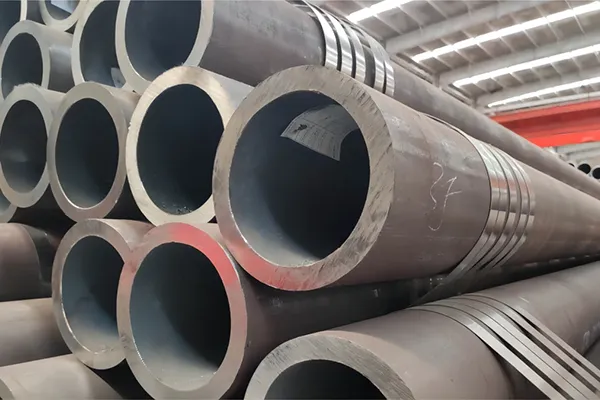
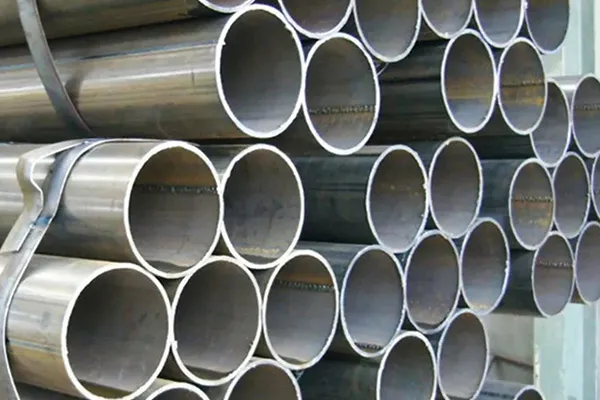
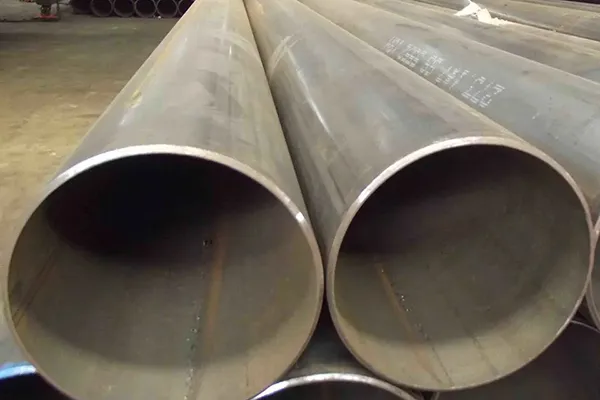
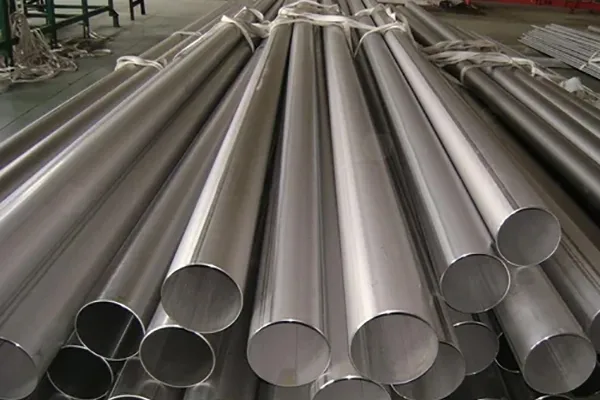
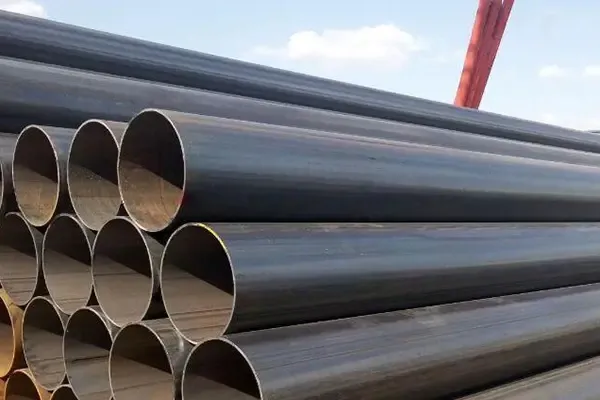
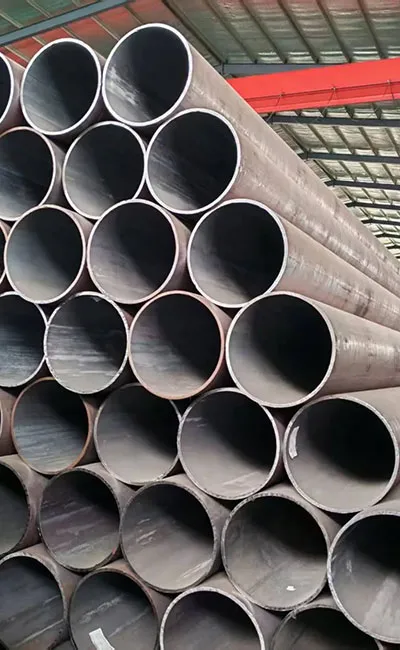
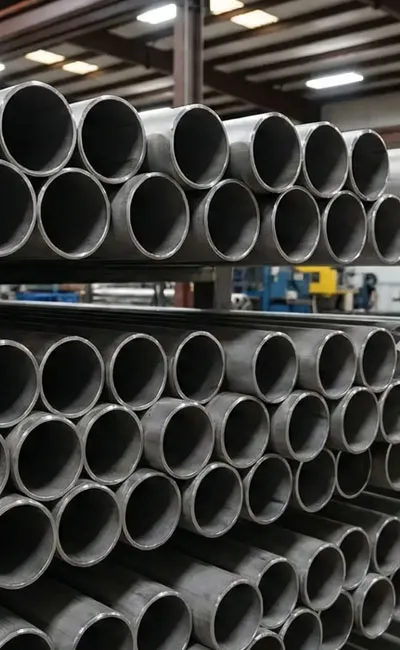
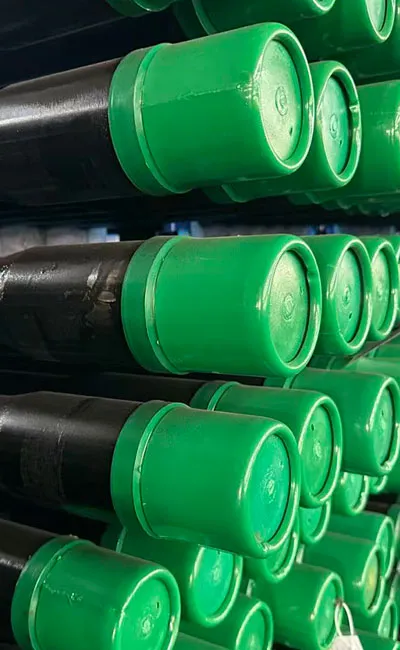
Difference between black steel pipe and carbon steel pipe In general, black steel pipe and carbon steel pipe have about the same procedures for welding. That is if you are talking about general welding and not for some specific application like very cold temperatures. Black steel pipe is not really a specification but rather a generic term used primarily by plumbers to distinguish regular steel pipe from galvanized steel pipe. Most black steel pipe has a composition similar to ASTM A-53 pipe. The difference between A-53 and common steel pipe like A-106 are so close that some pipe is actually marked to meet both specifications. Black pipe and A 53 can be seamless or welded seam while A106 is seamless. Black steel pipe is cast from several grades of ductile or malleable iron, whereas carbon steel pipe is generally wrought welded or seamless. Black steel pipe is used for underground or submerged applications and for main steam pipes and branches that are subjected to acids. It was also common to use cast iron pipe and fittings for municipal cold water lines 4″ diameter and above. Commercial die casting is unsuitable for lines subjected to expansion strains, contractions, and vibration unless the pipe is very heavy. It is not suitable for superheated steam or for temperatures above 575 degrees F. Cast iron pipe in underground applications (such as sewer lines) usually has bell and spigot ends whereas exposed pipe usually has flanged ends. In addition to all the above you can join stainless steel tank (threaded) with threaded copper adaptors directly whereas you cannot join galvanized pipe and copper. That will corrode unless you use special connectors. I am forgetting what they call them. They are inert so you do not get the corrosion. I am sure someone else can help with the name. They sell them in the plumbing supply houses. I have never seen them in home depot.In fact you should not even mix black and galvanized in the same runs. Give them enough time and they will corrode and leak at the joints. They did not know that when they ran the gas lines in my house and mixed in a few galvanized fittings about a hundred years ago. Or they knew but figured they would be dead and buried by the time the pressure washer started leaking. I had to run all new black pipe. If you go to ask for schedule 40 (or 80) black steel pipe, you will get steel pipe, easily threaded and welded. Galvanized schedule 40 (or 80) pipe is the same stuff, but galvanized, of course, so you wouldn’t want to weld it.I know you can use packing machine for natural gas lines, but at Home Depot they told me I could not use the galvanized pipe for gas.I had always assumed the black coating was carbonized oil (as on a black iron frying pan) but I read recently that it is simply lacquer. Apparently, the problem with galvanized power tool for gas plumbing is that particles or flakes of zinc can get into valve orifices, etc. I’d think little particles of rust or lacquer would do the same, but evidently not. Post time: Sep-06-2019

Latest news list

  • carbon seamless steel pipe failure,seamless steel pipe failure prevention,carbon steel pipe failure
    Carbon seamless steel pipe is widely used in industrial,energy,process,and infrastructure systems,Its seamless construction removes longitudinal weld-related defects as one potential failure mechanism,but it does not eliminate corrosion,cracking,fatigue,overpressure,or service-related deterioration,In practice,preventing pipe failure requires more than checking the pipe itself,A useful engineering approach is: Problem → Possible Cause → Inspection → Corrective Action,This approach helps maintenance teams identify the mechanism behind deterioration instead of simply replacing damaged pipe,For in-service metallic piping within its scope,API 570 covers inspection,rating,repair,and alteration practices,
  • carbon seamless steel pipe,carbon seamless pipe,seamless steel pipe,carbon seamless steel pipe supplier
    Choosing the right carbon seamless steel pipe is not simply a matter of comparing prices per ton,The pipe must match the application,operating conditions,dimensions,material grade,manufacturing standard,inspection requirements,and project documentation,For international buyers,supplier capability and delivery reliability also matter,A lower purchase price can lose its advantage if the material is incorrect,inspection fails,documentation is incomplete,or delivery is delayed,A practical selection process should therefore start with the application and work backward to the pipe specification,
  • carbon seamless steel pipe maintenance,carbon steel pipe maintenance,seamless pipe inspection
    Carbon seamless steel pipe can provide long service in industrial piping systems,but its condition changes after installation,Corrosion,wall thinning,vibration,leaking connections,damaged coatings,and changes in operating conditions can gradually reduce piping integrity,Good maintenance is therefore not simply a matter of repairing a pipe after a leak occurs,It is a planned process of inspection,thickness monitoring,corrosion control,operating-condition review,and documented follow-up,API 570,for example,addresses the in-service inspection,rating,repair,and alteration of metallic piping systems,
  • carbon seamless steel pipe quality control,carbon seamless steel pipe inspection,steel pipe quality control
    Quality control for carbon seamless steel pipe does not begin with the final inspection,It starts with the steel billet and continues through chemical analysis,manufacturing control,dimensional inspection,nondestructive testing,mechanical testing,hydrostatic testing,and final documentation,
  • carbon seamless steel pipe corrosion protection,carbon steel pipe corrosion,carbon steel pipe coating
    Carbon seamless steel pipe is widely used in energy,water,process,and industrial piping,but carbon steel can corrode when exposed to moisture,oxygen,salts,chemicals,or aggressive process fluids,The right protection method should therefore not be selected from a list of coatings alone,A more practical engineering approach is: Environment → Corrosion Risk → Protection Method → Inspection and Maintenance,For example,a buried pipeline may require external coating and cathodic protection,while a pipe carrying an aggressive process fluid may need internal protection,The current ASTM A106,A106M-26 specification,for instance,covers seamless carbon steel pipe for high-temperature service,but corrosion protection remains an application-specific engineering decision,

Find what you need ?

close
We use cookies and other tracking technologies to improve your browsing experience on our website, to show you personalized content and targeted ads, to analyze our website traffic, and to understand where our visitors are coming from.