In-depth analysis of 316L stainless steel pipe
Date: 2024-02-27
In-depth analysis of 316L stainless steel pipe
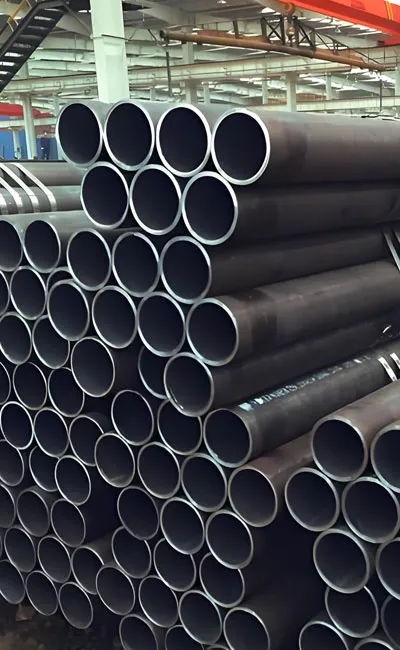
Stainless steel, as a common metal material, is widely used in many fields because of its excellent corrosion resistance, heat resistance, and mechanical properties. Among them, 316L stainless steel pipe material has attracted much attention for its unique performance and wide range of application scenarios.
316L stainless steel pipe is a type of austenitic stainless steel with a stable internal structure and high corrosion resistance. Its “316L” name comes from its chemical composition, which mainly contains chromium (Cr), nickel (Ni), and a small amount of molybdenum (Mo). This special combination of ingredients gives 316L stainless steel excellent corrosion resistance, especially against chloride corrosion.
1. Main characteristics of 316L stainless steel pipe
① High corrosion resistance: 316L stainless steel pipe can resist corrosion from most organic and inorganic compounds, especially in environments containing chlorides, and its corrosion resistance is far superior to other ordinary stainless steel.
② Good mechanical properties: 316L stainless steel has good ductility, toughness, and strength, and can meet various complex processing and installation requirements.
③ Low-temperature toughness: Even in low-temperature environments, 316L stainless steel pipes can maintain good toughness and mechanical properties and are not prone to embrittlement.
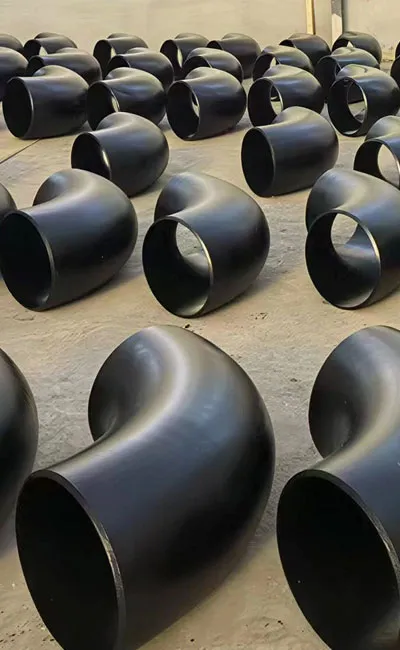
④ Excellent processability: 316L stainless steel pipe is easy to perform cutting, bending, welding, and other processing operations, and can be easily made into pipe fittings of various shapes and structures.
2. Application fields of 316L stainless steel pipe
Due to its excellent corrosion resistance and mechanical properties, 316L stainless steel pipe is widely used in many fields:
① Chemical industry: In chemical production, 316L stainless steel pipes can withstand corrosion from a variety of chemical substances and are the preferred material for transporting corrosive media.
② Marine engineering: In the marine environment, 316L stainless steel pipes are widely used in seawater desalination, offshore oil exploration, and other fields due to their high corrosion resistance to chloride.
③ Medical field: 316L stainless steel pipe is widely used in medical devices, surgical instruments, etc. due to its biocompatibility and corrosion resistance.
④ Food industry: During food processing and storage, 316L stainless steel pipes can meet hygiene and corrosion resistance requirements and ensure food safety.
3. Production and processing of 316L stainless steel pipes
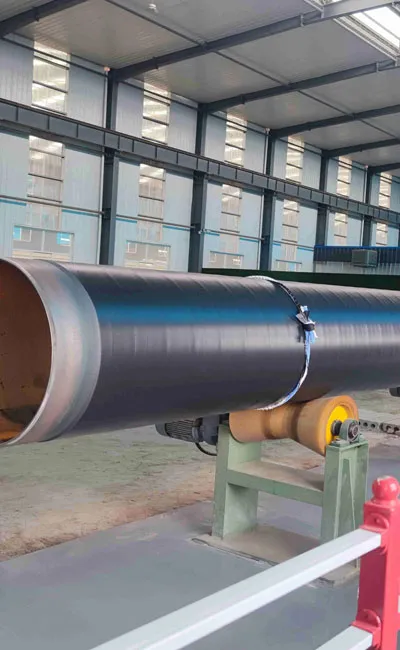
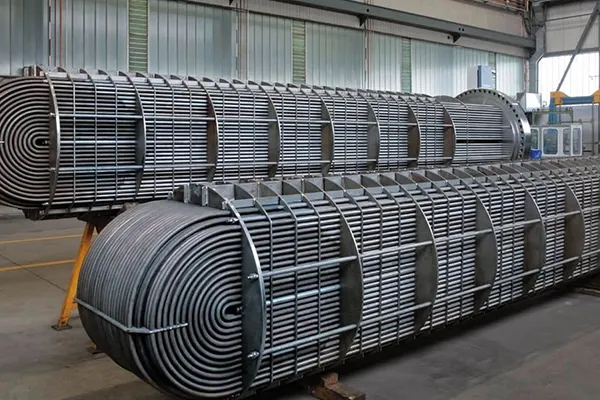
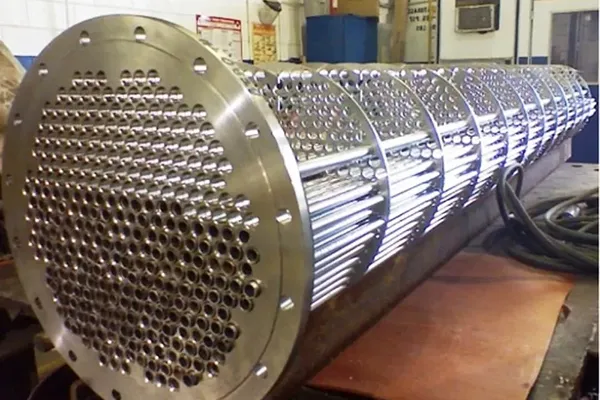
The production of 316L stainless steel pipe usually includes smelting, rolling, perforation, heat treatment, and other links. During the smelting process, the content of various elements needs to be precisely controlled to ensure the stable performance of the steel. The rolling and piercing links use high-precision equipment and technology to ensure the dimensional accuracy and surface quality of the steel pipe. Heat treatment is used to eliminate the internal stress generated during the processing of steel pipes and improve the mechanical properties of the steel pipes.
In terms of processing, 316L stainless steel pipes can be used for cutting, bending, welding, and other operations. When cutting, methods such as mechanical cutting, laser cutting, or plasma cutting can be used. Bending can be achieved by cold bending or hot bending, depending on the wall thickness and bending radius of the steel pipe. Welding is a common operation in 316L stainless steel pipe processing. Common welding methods include TIG welding, MIG welding, and plasma welding.
4. Market prospects of 316L stainless steel pipes
With the development of science and technology and the advancement of industry, the demand for high-performance materials is also increasing. 316L stainless steel pipe occupies an important position in the market with its excellent performance and wide range of applications. In the future, with the improvement of environmental protection requirements and the rapid development of the chemical industry, marine engineering, and other fields, the market demand for 316L stainless steel pipes will continue to grow.
At the same time, with the continuous improvement of production technology and improvement of processing technology, the performance and quality of 316L stainless steel pipe will also be further improved, providing the possibility for its application in more fields.
As a high-quality high-performance material, 316L stainless steel pipe has a wide range of applications in many fields due to its unique corrosion resistance and mechanical properties. With the continuous expansion of the market and the continuous advancement of production technology, we have reason to believe that 316L stainless steel pipe will play a more important role in future development.
Post time: Feb-27-2024











 English
 Español
 русский язык
 Português