Industry News

Hunan Great Steel Pipe Co., Ltd
oil pipe,drill pipe,erw steel tube,coated pipe

Special thick wall seamless steel pipe details

Date: 2024-03-25
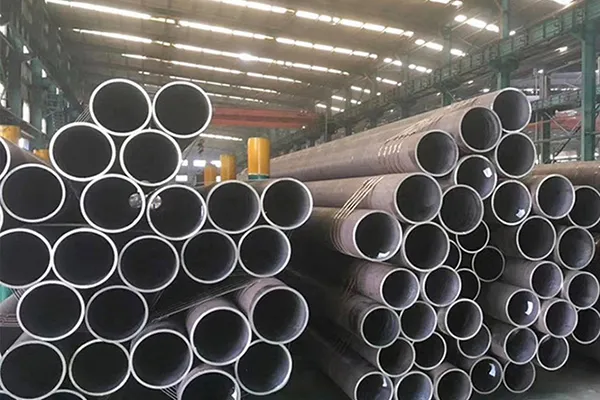
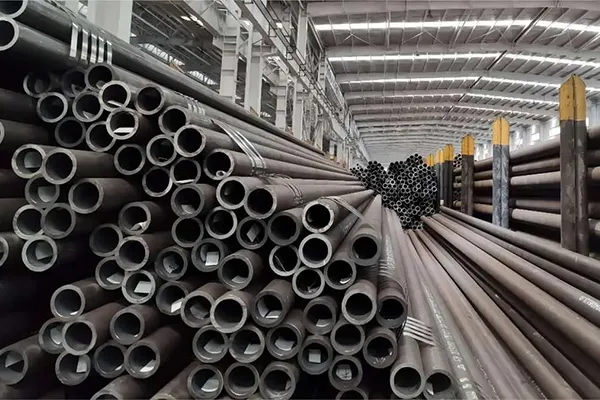
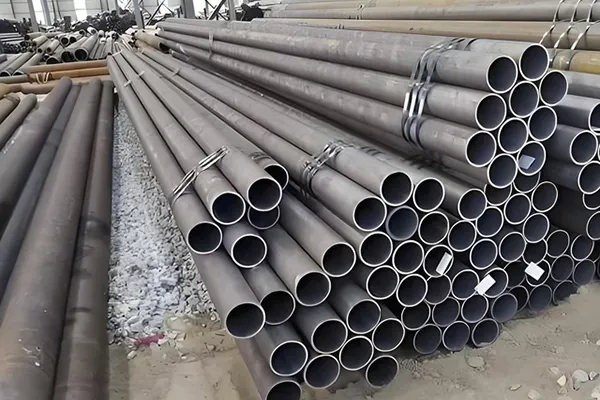
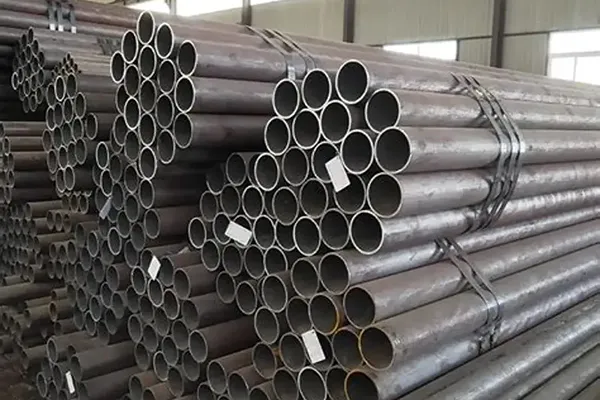
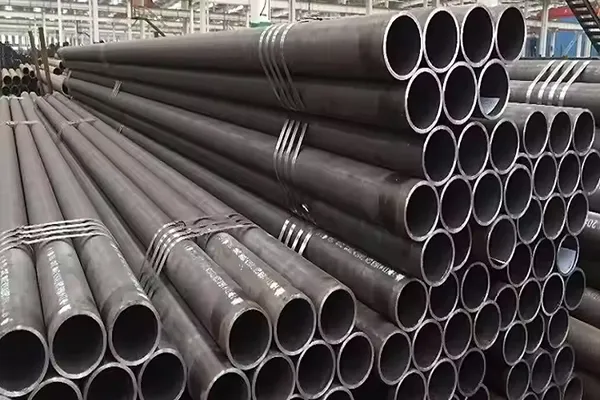
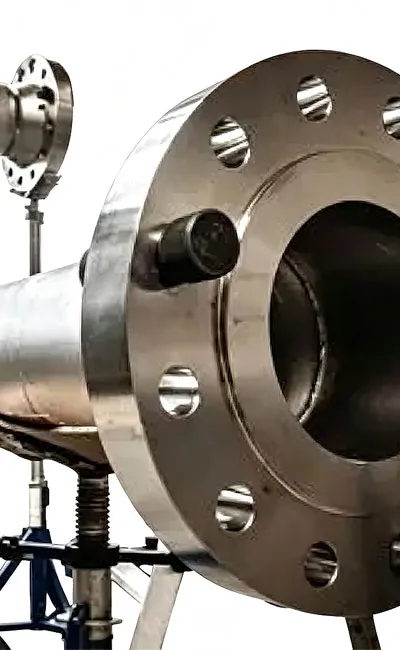
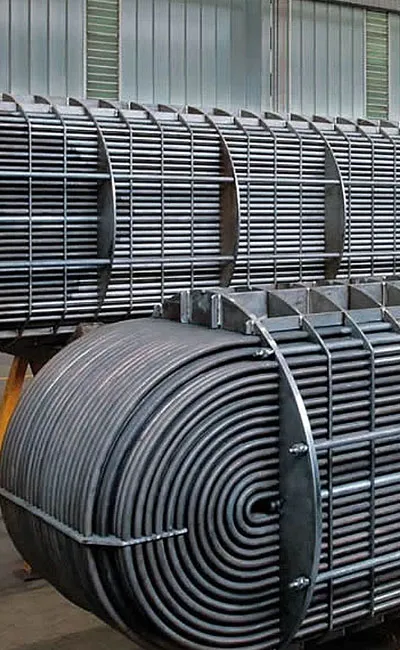
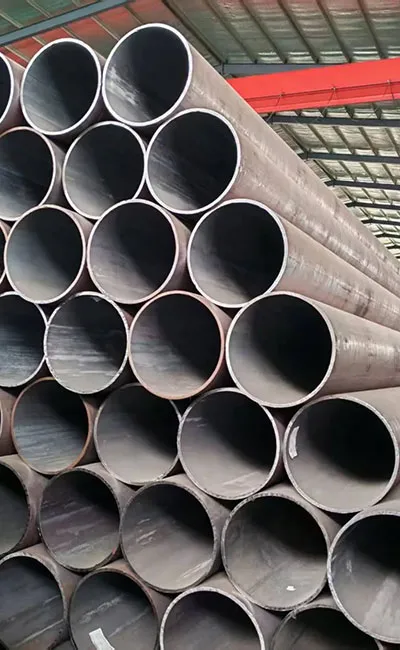
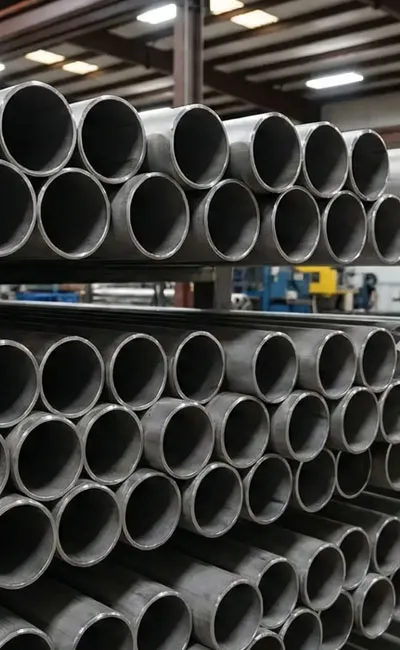
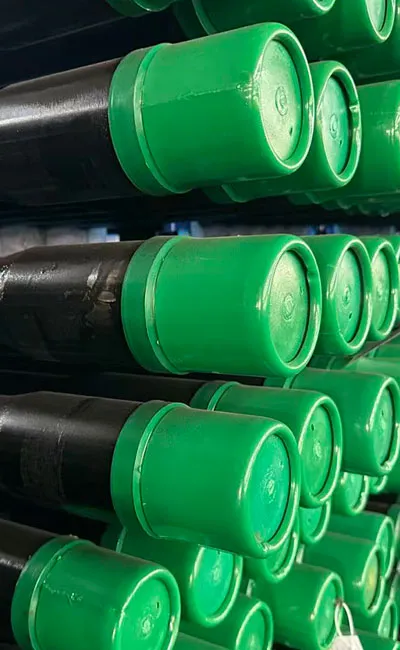
Special thick wall seamless steel pipe details 1. Definition and characteristics of special thick-walled seamless steel pipes. Special thick-walled seamless steel pipes, as the name suggests, refer to seamless steel pipes whose wall thickness exceeds conventional standards. The wall thickness of this kind of steel pipe is usually more than 20 mm, and can even reach hundreds of millimeters. They have extremely high pressure resistance, impact resistance, and corrosion resistance, and can work stably in extreme working environments. 2. Exquisite production technology. The production process of special thick-walled seamless steel pipes is a sophisticated industrial dance. First, high-quality steel billets undergo high-temperature treatment in a heating furnace to reach a plastic state. Then, under precision rolling machines, the steel billet is gradually compressed to form a seamless steel pipe. During this process, the wall thickness and diameter of the steel pipe are precisely controlled, ensuring product consistency and reliability. 3. Extensive application fields. Special thick-walled seamless steel pipes have a wide range of applications. In oil drilling, they are an important part of the drill pipe and are subject to tremendous pressure and impact. In the construction industry, they make support columns for large structures, such as bridges and high-rise buildings. In the energy sector, such nuclear and thermal power stations are ideal for transporting high-temperature and high-pressure fluids. In addition, they are widely used in the chemical industry, shipbuilding, pressure vessel manufacturing, and other industries. 4. The importance of quality control. Due to the importance of special thick-walled seamless steel pipes in key areas, quality control is significant. From the selection of raw materials to every aspect of the production process, quality standards must be strictly adhered to. Non-destructive testing technologies such as ultrasonic testing and magnetic particle testing ensure that there are no defects inside the steel pipe. In addition, strict chemical composition analysis and mechanical property testing ensure the strength and toughness of the steel pipe. 5. Future development trends. With the advancement of technology, special thick-walled seamless steel pipes are also constantly evolving. The development of new materials, such as high-strength low-alloy steel, allows steel pipes to reduce weight while maintaining high strength. The application of intelligent manufacturing technology, such as automated production lines and robotics, improves production efficiency and reduces costs. At the same time, the promotion of environmental protection regulations also encourages manufacturers to seek more environmentally friendly production methods to reduce the impact on the environment. Special thick-walled seamless steel pipes, the solid backbone of this industry, have witnessed the development of human industrial civilization with their excellent performance and wide range of applications. In the future, with the continuous advancement of technology, they will continue to play an irreplaceable role in various fields and support more ambitious industrial dreams. Post time: Mar-25-2024

Latest news list

  • alloy steel pipe buying guide,buy alloy steel pipe,alloy steel pipe supplier,alloy steel pipe export
    Buying alloy steel pipe for an international project involves more than comparing prices per tonne,For EPC contractors,distributors and industrial buyers,procurement needs to connect technical specifications,quality control,inspection,documentation and logistics,A well-defined purchasing process helps reduce specification gaps,inspection delays and delivery problems before the pipe reaches the project site,
  • how to select alloy steel pipe,alloy steel pipe selection,alloy steel pipe buying guide,high temperature alloy steel pipe
    Selecting alloy steel pipe should start with the actual service conditions,not simply with a supplier's product catalog,In boiler,power generation and refinery applications,temperature,pressure,process medium and material properties all affect pipe selection,For example,ASTM A335,A335M-26 covers seamless ferritic alloy-steel pipe for high-temperature service,The standard states that selection depends on design,service conditions,mechanical properties and high-temperature characteristics,For buyers,a structured selection process helps prevent specification gaps before production begins,
  • alloy steel pipe maintenance,alloy steel pipe boiler usage,alloy steel pipe refinery,high temperature pipe maintenance
    Alloy steel pipe is widely used in boiler,power generation and refinery systems where piping is exposed to elevated temperatures,pressure and demanding process conditions,Selecting the correct alloy grade is important,but material selection alone does not determine service life,Long-term performance also depends on operating conditions,thermal exposure,wall thickness,fabrication quality,inspection and maintenance,For example,ASTM A335,A335M-26 covers seamless ferritic alloy-steel pipe for high-temperature service and states that material selection depends on design,service conditions,mechanical properties and high-temperature characteristics,
  • alloy steel pipe quality control,alloy steel pipe inspection,alloy steel pipe mechanical properties
    For alloy steel pipe used in boilers,power plants,refineries and other demanding industrial systems,quality control should cover the complete supply chain from raw material identification to final shipment,A pipe can meet the required outside diameter and wall thickness and still fail to satisfy the project specification if the material grade,heat treatment,mechanical properties or inspection records are incorrect,For buyers,effective quality control means verifying both the physical product and the evidence behind it,
  • alloy steel pipe high temperature,alloy steel pipe applications,alloy steel pipe selection,alloy steel pipe
    High-temperature process piping places demanding requirements on pipe materials,As temperature increases,material strength can change,oxidation can become more significant,and long-term exposure can affect the service condition of the piping system,Alloy steel pipe is commonly selected for applications where elevated-temperature mechanical performance is required,Typical uses include refinery process lines,petrochemical units,boiler and steam systems,power-generation facilities and other industrial piping operating under elevated temperature and pressure,The correct selection,however,depends on the complete service condition rather than temperature alone,

Find what you need ?

close
We use cookies and other tracking technologies to improve your browsing experience on our website, to show you personalized content and targeted ads, to analyze our website traffic, and to understand where our visitors are coming from.