Low temperature carbon steel pipe
Date: 2021-01-19
Low temperature carbon steel pipe
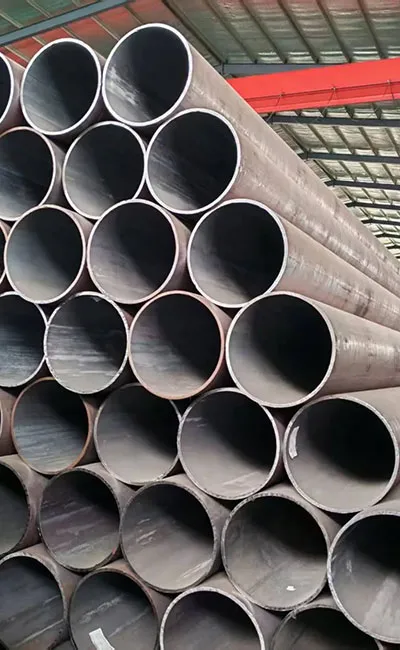
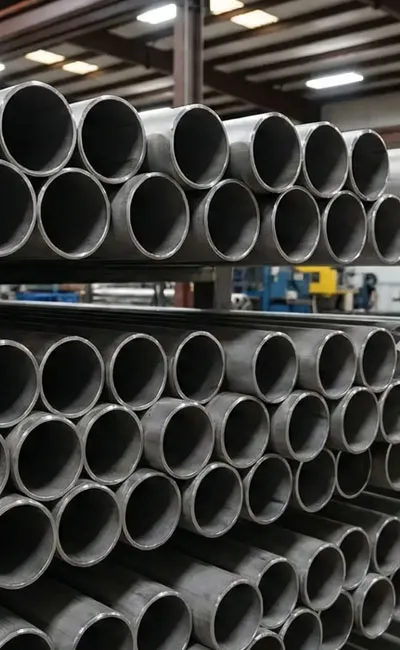
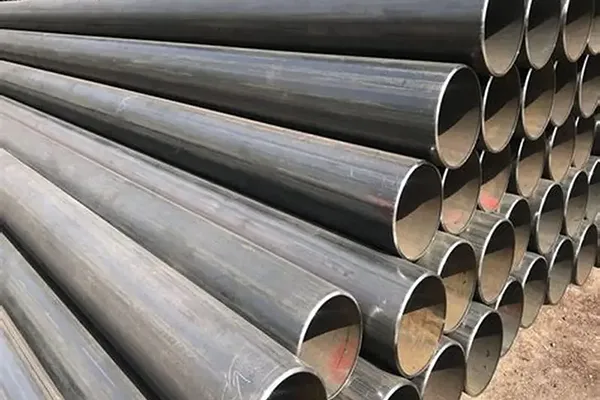
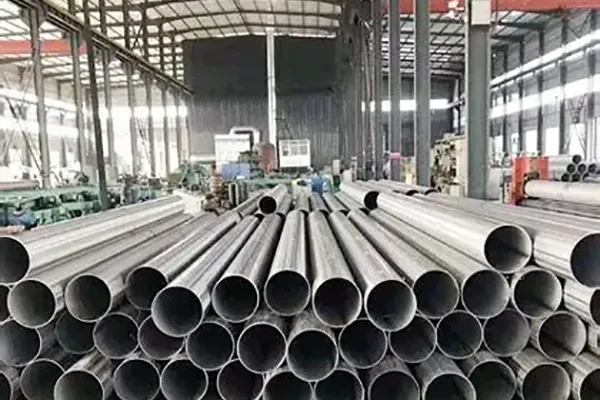
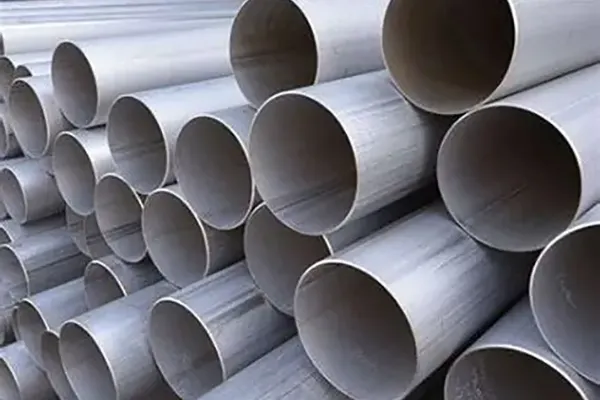
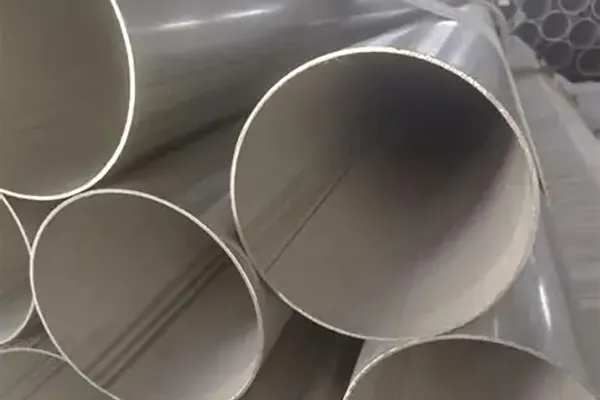
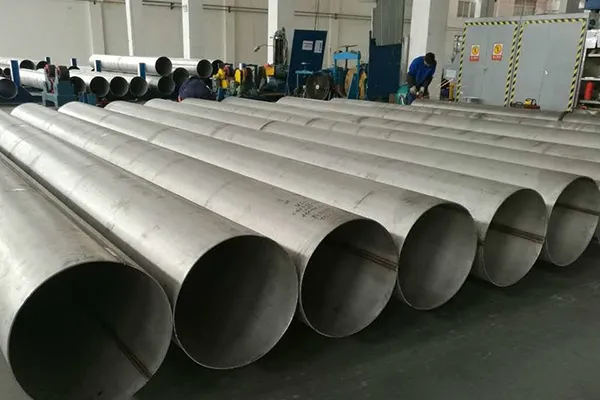
Low temperature carbon steel pipe is a carbon structural steel, low temperature carbon steel pipe is operated in low temperature condition, which can withstand a certain low temperature impact, the mechanical performance is better, and the price is low, wide source, so widely used. Its biggest weakness is the low hardenability, section size Japanese high requirements of the workpiece should not be used.
Low temperature carbon steel pipe quenching temperature in A3 + (30 ~ 50) ℃, in practice, is usually set to the upper limit. High quenching temperature heat pipe can make low speed, surface oxidation reduction, and can improve work efficiency. The workpiece is uniform austenite, will require sufficient holding time. If the actual installed furnace capacity, would need to be appropriate to extend the holding time. Otherwise, there may be insufficient hardness due to uneven heating caused by the phenomenon. However, the holding time is too long, will also appear coarse grains, oxidation and decarbonization serious ills affecting quenching quality. We believe that if installed furnace is greater than the process documents, heating holding time to be extended 1/5. Low temperature carbon steel pipe because of low hardenability, it should adopt a large cooling rate of 10% salt solution. Workpiece into the water, should hardenability, but not chilled, if 45 # precision steel chilled in brine, it is possible cracking of the workpiece, this is because when the workpiece is cooled to about 180 ℃, the austenite rapidly converted to horse s body tissue caused by excessive stress due. Therefore, when the quenching and tempering steel quickly cooled to this temperature range, the approach should be taken to slow cooling. As the water temperature is difficult to grasp, accountable experience in operation, when the water stops dithering artifacts, you can water cooled (eg oil cooler can be better). In addition, the workpiece into the water, appropriate action should still be in accordance with the geometry of the workpiece, as regular exercise. Stationary cooling medium plus stationary workpiece, resulting in uneven hardness, stress uneven leaving large deformation of the workpiece, and even cracking.
Low temperature carbon steel pipe member quenched hardness after quenching should reach HRC56 ~ 59, the possibility of large cross-section lower, but not less than HRC48, otherwise, it shows the workpiece has not been completely hardened, the organization may be ferrite or sorbite tissue, such organizations by tempering, still retained in the matrix, which was not quenched purposes. Low carbon steel pipe tempering after quenching, the heating temperature is usually 560 ~ 600 ℃, hardness is HRC22 ~ 34. Because the purpose is to get quenched mechanical properties, so a relatively wide range of hardness. But drawing a hardness requirements, it is necessary to adjust the tempering temperature according to drawings to ensure hardness. As some cold steel shafts require high strength, hardness is high; while some gear keyway shaft parts, because even after the milling quenched, insert processing, hardness requirements for lower. About Tempering time, depending on the hardness and size of the workpiece, we believe, depends on the hardness after tempering tempering temperature and tempering little time, but must be returned through the general always work Tempering Time one hour or more.
Post time: Jan-19-2021










 English
 Español
 русский язык
 Português