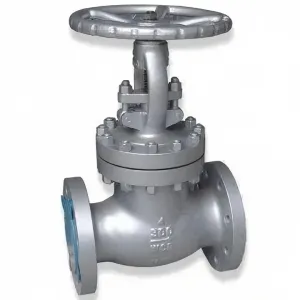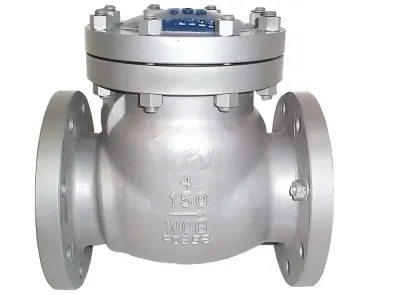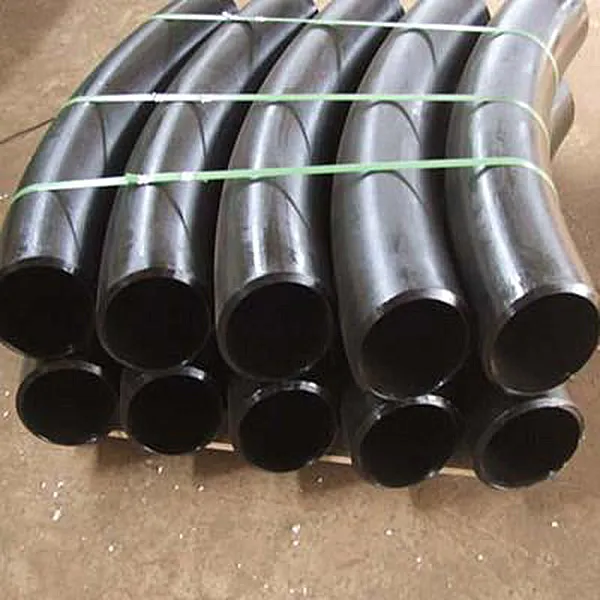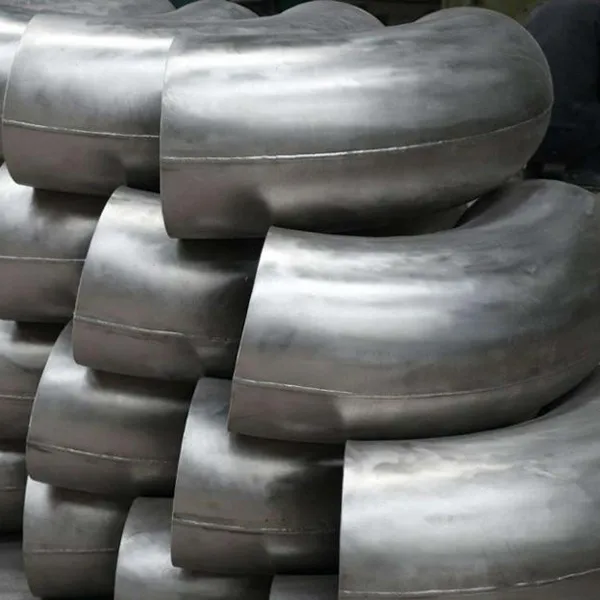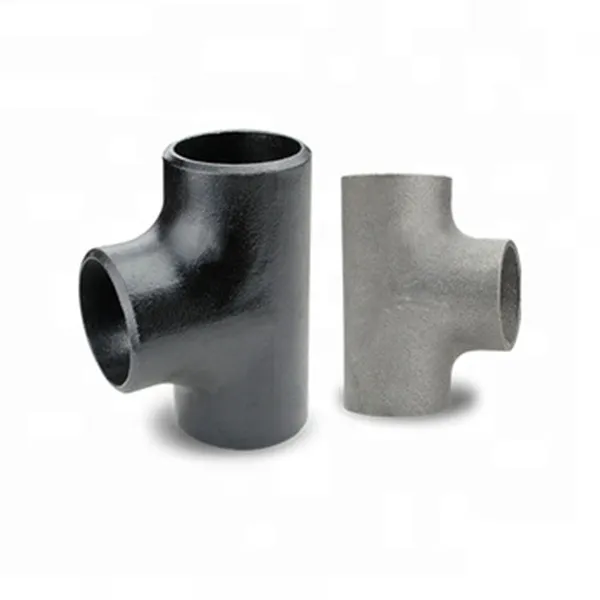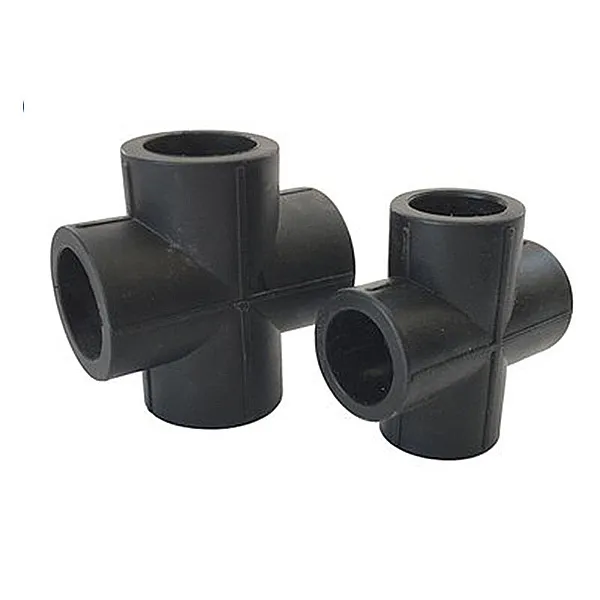

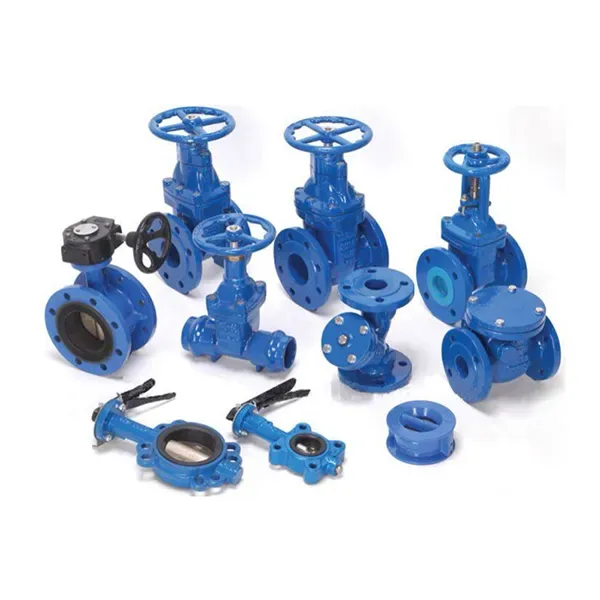
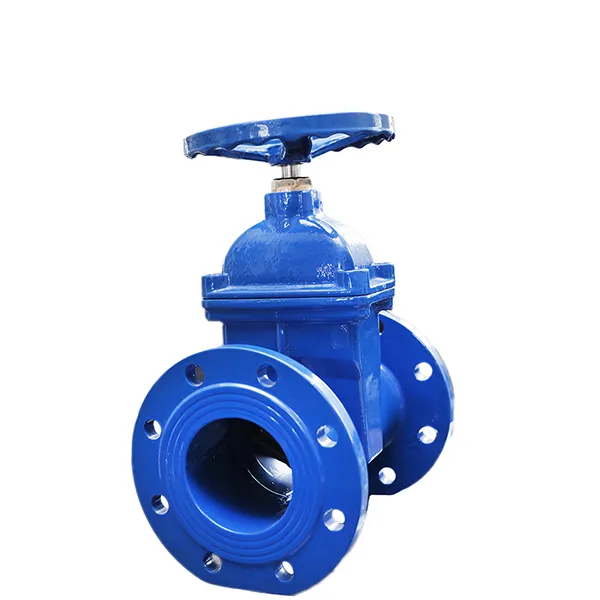
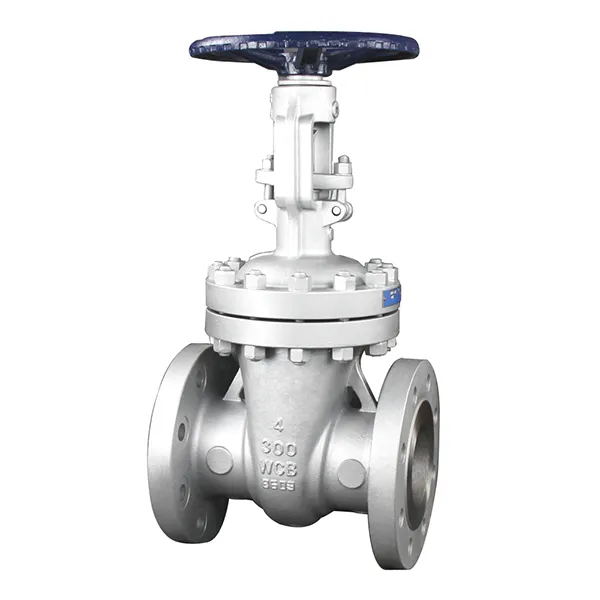
-Подходит для ручного, пневматического, электрического и гидравлического управления
Производственный процессКлапан
Наш производственный процесс клапана следовать строгими процедурами по управления качеством для обеспечения точности, надежности, и соответствия с мировыми стандартами.
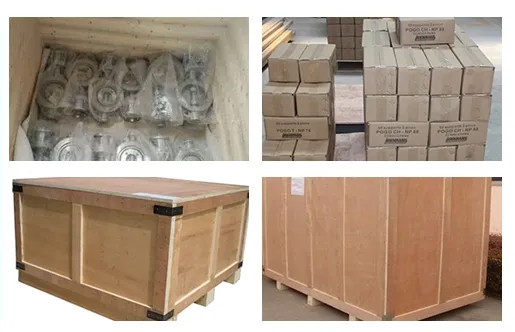
Шаги производства: Осмотр сырья-отливка или вковка-подвергать механической обработке КНК-собрание и штуцер-поверхностное покрытие-испытание давления и утечки-качественный осмотр-упаковка и доставка
Стандарты тестированияКлапан
Гидростатические испытания;
Испытание воздушным давлением;
Тестирование герметизации;
Испытание прочности;
Габаритный осмотр;
Неразрушающий контроль (НК);
Все продукты проверяются перед отправкой, чтобы обеспечить стабильную и надежную работу.
Ворота, глобус & проверка служить фланцем-конца
Размеры: ″ 1/2 к 24 ″
Давление: от 125 # до 2500 #
Ворота, глобус & проверка привинченных/Сокетвельд
Размеры: 1/4 ″ до 2 ″
Давление: от 150 # до 300 # до 600 #
Другие характеристики: болтовой и привинченный капот/крышка
Кованые ворота, глобус и проверка
Размеры: ″ 1/2 к ″ 2
Давление: от 800 # до 1500 # до 2500 #
Другие спецификации: Проверки продетых нитку и Сокетвельд конца поршеня и качания
Материалы: задвижки из нержавеющей стали
Промышленные шаровые краны с фланцевый конец
Размеры: ″ 1/2 к ″ 16
Давление: от 150 # до 1500 #
Другие характеристики: уменьшенный и полный порт, уровень и шестерня
Винтовые/Socketweld шаровые краны
Размеры: 1/4 ″ до 4 ″
Давление: от 150 # до 3000 #
Другие характеристики: 1 шт., 2 шт. И 3 шт. Дизайн, уменьшенный и полноразмерный, запирающее устройство и овальные ручки.
Плунжерные клапаны
Размеры: ″ 1/2 к ″ 12
Давление: от 150 # до 300 #
Другие спецификации: Привинченный/Socketed/служил фланцем, уровень & управляемая шестерня
Types of Valves
|
No. |
Types |
Picture |
Description |
Specification |
|
1 |
Gate Valve |
|
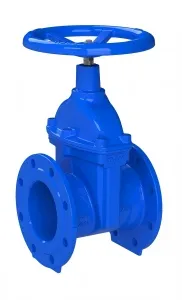
A Gate Valve is a type of linear-motion valve used to start or stop the flow of fluid in a piping system. It operates by lifting a rectangular or circular gate (or wedge) out of the path of the fluid, providing either full flow or complete shut-off.
|
- Size (NPS): 1/2" – 108" (DN 15 – DN 2700) - Pressure: Class 150# – 2500# (PN 6 – PN 420) - End Connections: Flanged (RF/RTJ/FF), Butt Weld (BW), Socket Weld (SW), Threaded (NPT/BSP), Grooved - Operation: Handwheel, Gearbox, Electric Actuator, Pneumatic Actuator, Hydraulic Actuator - Temperature Range: -196°C to +650°C (depending on material) |
|
2 |
Ball Valve |
|
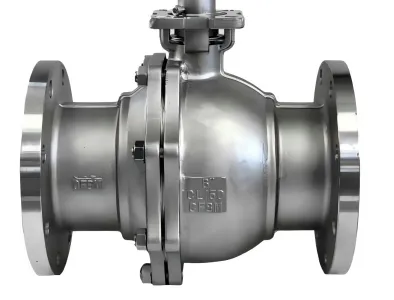
A Ball Valve is a quarter-turn valve that uses a hollow, perforated, and pivoting ball to control the flow of fluid. When the ball's hole is aligned with the flow direction, the valve is open; when rotated 90 degrees, the solid side of the ball blocks the flow path, shutting off the valve. |
- Size (NPS): 1/2" – 108" (DN 15 – DN 2700) - Pressure: Class 150# – 2500# (PN 6 – PN 420) - End Connections: Flanged (RF / RTJ / FF), Butt Weld (BW), Socket Weld (SW), Threaded (NPT/BSP), Grooved - Operation: Handwheel, Gearbox, Electric/Pneumatic/Hydraulic Actuator - Temperature: -196°C to +650°C (material dependent) |
|
3 |
Butterfly Valve |
|
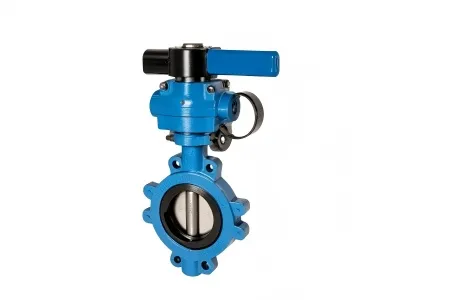
A Butterfly Valve is a quarter-turn rotational valve that uses a circular disc (the "butterfly") mounted on a rotating shaft to regulate or isolate flow. When the valve is open, the disc is turned parallel to the flow direction, presenting minimal resistance. When closed, the disc rotates 90° to seal against a seat, blocking the flow path. |
- Size (NPS): 1/2" – 108" (DN 15 – DN 2700) - Pressure: Class 150# – 2500# (PN 6 – PN 420) - End Connections: RF / RTJ / FF Flanged, Butt Weld (BW), Socket Weld (SW), Threaded (NPT/BSP), Grooved - Operation: Handwheel, Gearbox, Electric Actuator, Pneumatic Actuator, Hydraulic Actuator - Temperature Range: -196°C to +650°C (material dependent) |
|
4 |
Globe Valve |
|
A Globe Valve is a linear-motion control valve designed primarily for throttling (flow regulation) and frequent on/off operation. Unlike a gate valve that lifts a gate completely out of the flow path, a globe valve moves a disc (plug) against or away from a stationary seat ring, changing the flow area to precisely control pressure and flow rate. |
- Size: 1/2" – 108" (DN 15 – DN 2700) - Pressure: Class 150# – 2500# (PN 6 – PN 420) - Temperature: -196°C to +650°C - End Connections: RF / RTJ / FF Flanged, BW, SW, Threaded, Grooved - Operation: Handwheel, Gearbox, Electric/Pneumatic/Hydraulic Actuator |
|
5 |
Check Valve |
|
A Check Valve (also called a Non-Return Valve or NRV) is an automatic, self-acting valve that allows fluid to flow in one direction only and prevents backflow when the flow stops or reverses. It requires no external operation—it opens by the forward pressure of the fluid and closes by gravity, spring force, or reverse flow pressure. |
- Size (NPS): 1/2" – 108" (DN 15 – DN 2700) - Pressure: Class 150# – 2500# (PN 6 – PN 420) - End Connections: RF / RTJ / FF Flanged, Butt Weld (BW), Socket Weld (SW), Threaded (NPT/BSP), Grooved - Operation: Handwheel, Gearbox, Electric/Pneumatic/Hydraulic Actuator - Temperature Range: -196°C to +650°C (material dependent) |
Q2: What is the difference between a Globe Valve and a Gate Valve?
A: A globe valve is designed for throttling and flow regulation (high pressure drop, frequent operation). A gate valve is designed only for full open/full closed isolation. Using a gate valve to throttle flow will destroy the seats.
Q3: Can I use a Butterfly Valve for high-pressure steam?
A: Standard rubber-lined butterfly valves are not suitable for high-pressure steam. However, triple-offset metal-seated butterfly valves can handle high pressure and temperature, often replacing gate or ball valves in large bore applications.
Q4: What is the difference between a Check Valve and a Gate Valve?
A: A check valve operates automatically to prevent backflow; it cannot be manually opened or closed. A gate valve is manually operated for isolation but does nothing to prevent reverse flow.
Q5: Plug Valve vs. Ball Valve—which is better?
A: For clean, general service, ball valves are more common. For dirty, abrasive, or viscous media (crude oil, slurry), plug valves are superior because their design tolerates contamination better and they offer multi-port switching capability.
Q6: When do I need a Needle Valve instead of a Globe Valve?
A: Needle valves are for very small flow rates and precise metering (instrumentation, sampling). Globe valves are for pipeline flow regulation. If your line is under 2" and you need fine adjustment, use a needle valve.
Ворота, глобус & проверка служить фланцем-конца
Размеры: ″ 1/2 к 24 ″
Давление: от 125 # до 2500 #
Ворота, глобус & проверка привинченных/Сокетвельд
Размеры: 1/4 ″ до 2 ″
Давление: от 150 # до 300 # до 600 #
Другие характеристики: болтовой и привинченный капот/крышка
Кованые ворота, глобус и проверка
Размеры: ″ 1/2 к ″ 2
Давление: от 800 # до 1500 # до 2500 #
Другие спецификации: Проверки продетых нитку и Сокетвельд конца поршеня и качания
Материалы: задвижки из нержавеющей стали
Промышленные шаровые краны с фланцевый конец
Размеры: ″ 1/2 к ″ 16
Давление: от 150 # до 1500 #
Другие характеристики: уменьшенный и полный порт, уровень и шестерня
Винтовые/Socketweld шаровые краны
Размеры: 1/4 ″ до 4 ″
Давление: от 150 # до 3000 #
Другие характеристики: 1 шт., 2 шт. И 3 шт. Дизайн, уменьшенный и полноразмерный, запирающее устройство и овальные ручки.
Плунжерные клапаны
Размеры: ″ 1/2 к ″ 12
Давление: от 150 # до 300 #
Другие спецификации: Привинченный/Socketed/служил фланцем, уровень & управляемая шестерня
Types of Valves
|
No. |
Types |
Picture |
Description |
Specification |
|
1 |
Gate Valve |
|
A Gate Valve is a type of linear-motion valve used to start or stop the flow of fluid in a piping system. It operates by lifting a rectangular or circular gate (or wedge) out of the path of the fluid, providing either full flow or complete shut-off.
|
- Size (NPS): 1/2" – 108" (DN 15 – DN 2700) - Pressure: Class 150# – 2500# (PN 6 – PN 420) - End Connections: Flanged (RF/RTJ/FF), Butt Weld (BW), Socket Weld (SW), Threaded (NPT/BSP), Grooved - Operation: Handwheel, Gearbox, Electric Actuator, Pneumatic Actuator, Hydraulic Actuator - Temperature Range: -196°C to +650°C (depending on material) |
|
2 |
Ball Valve |
|
A Ball Valve is a quarter-turn valve that uses a hollow, perforated, and pivoting ball to control the flow of fluid. When the ball's hole is aligned with the flow direction, the valve is open; when rotated 90 degrees, the solid side of the ball blocks the flow path, shutting off the valve. |
- Size (NPS): 1/2" – 108" (DN 15 – DN 2700) - Pressure: Class 150# – 2500# (PN 6 – PN 420) - End Connections: Flanged (RF / RTJ / FF), Butt Weld (BW), Socket Weld (SW), Threaded (NPT/BSP), Grooved - Operation: Handwheel, Gearbox, Electric/Pneumatic/Hydraulic Actuator - Temperature: -196°C to +650°C (material dependent) |
|
3 |
Butterfly Valve |
|
A Butterfly Valve is a quarter-turn rotational valve that uses a circular disc (the "butterfly") mounted on a rotating shaft to regulate or isolate flow. When the valve is open, the disc is turned parallel to the flow direction, presenting minimal resistance. When closed, the disc rotates 90° to seal against a seat, blocking the flow path. |
- Size (NPS): 1/2" – 108" (DN 15 – DN 2700) - Pressure: Class 150# – 2500# (PN 6 – PN 420) - End Connections: RF / RTJ / FF Flanged, Butt Weld (BW), Socket Weld (SW), Threaded (NPT/BSP), Grooved - Operation: Handwheel, Gearbox, Electric Actuator, Pneumatic Actuator, Hydraulic Actuator - Temperature Range: -196°C to +650°C (material dependent) |
|
4 |
Globe Valve |
|
A Globe Valve is a linear-motion control valve designed primarily for throttling (flow regulation) and frequent on/off operation. Unlike a gate valve that lifts a gate completely out of the flow path, a globe valve moves a disc (plug) against or away from a stationary seat ring, changing the flow area to precisely control pressure and flow rate. |
- Size: 1/2" – 108" (DN 15 – DN 2700) - Pressure: Class 150# – 2500# (PN 6 – PN 420) - Temperature: -196°C to +650°C - End Connections: RF / RTJ / FF Flanged, BW, SW, Threaded, Grooved - Operation: Handwheel, Gearbox, Electric/Pneumatic/Hydraulic Actuator |
|
5 |
Check Valve |
|
A Check Valve (also called a Non-Return Valve or NRV) is an automatic, self-acting valve that allows fluid to flow in one direction only and prevents backflow when the flow stops or reverses. It requires no external operation—it opens by the forward pressure of the fluid and closes by gravity, spring force, or reverse flow pressure. |
- Size (NPS): 1/2" – 108" (DN 15 – DN 2700) - Pressure: Class 150# – 2500# (PN 6 – PN 420) - End Connections: RF / RTJ / FF Flanged, Butt Weld (BW), Socket Weld (SW), Threaded (NPT/BSP), Grooved - Operation: Handwheel, Gearbox, Electric/Pneumatic/Hydraulic Actuator - Temperature Range: -196°C to +650°C (material dependent) |
Q2: What is the difference between a Globe Valve and a Gate Valve?
A: A globe valve is designed for throttling and flow regulation (high pressure drop, frequent operation). A gate valve is designed only for full open/full closed isolation. Using a gate valve to throttle flow will destroy the seats.
Q3: Can I use a Butterfly Valve for high-pressure steam?
A: Standard rubber-lined butterfly valves are not suitable for high-pressure steam. However, triple-offset metal-seated butterfly valves can handle high pressure and temperature, often replacing gate or ball valves in large bore applications.
Q4: What is the difference between a Check Valve and a Gate Valve?
A: A check valve operates automatically to prevent backflow; it cannot be manually opened or closed. A gate valve is manually operated for isolation but does nothing to prevent reverse flow.
Q5: Plug Valve vs. Ball Valve—which is better?
A: For clean, general service, ball valves are more common. For dirty, abrasive, or viscous media (crude oil, slurry), plug valves are superior because their design tolerates contamination better and they offer multi-port switching capability.
Q6: When do I need a Needle Valve instead of a Globe Valve?
A: Needle valves are for very small flow rates and precise metering (instrumentation, sampling). Globe valves are for pipeline flow regulation. If your line is under 2" and you need fine adjustment, use a needle valve.








 English
 Español
 русский язык
 Português