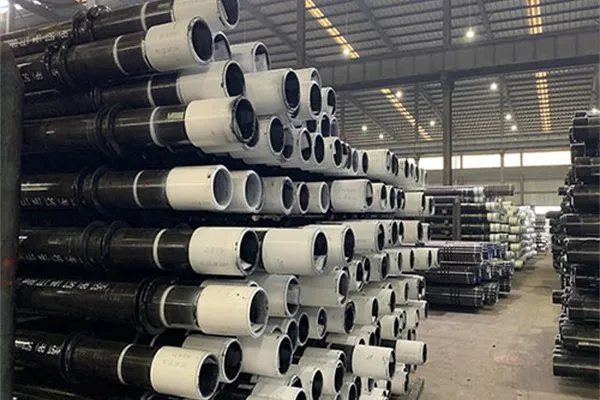
Análisis en profundidad y perspectivas de aplicación de especificaciones de tubos de acero no estándar
Fecha: 2024-07-22
In-depth analysis and application prospects of non-standard steel pipe specifications
In the steel industry, steel pipes, as an important basic material, are widely used in many fields such as construction, machinery, chemical industry, and electricity. Among them, non-standard steel pipe specifications play an irreplaceable role in meeting specific engineering needs due to their particularity.
First, an overview of non-standard steel pipe specifications
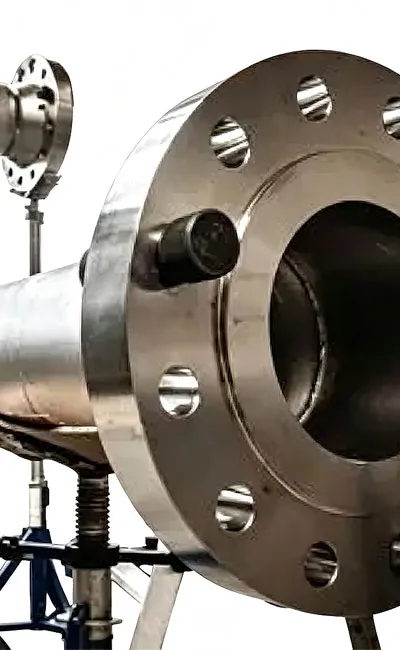
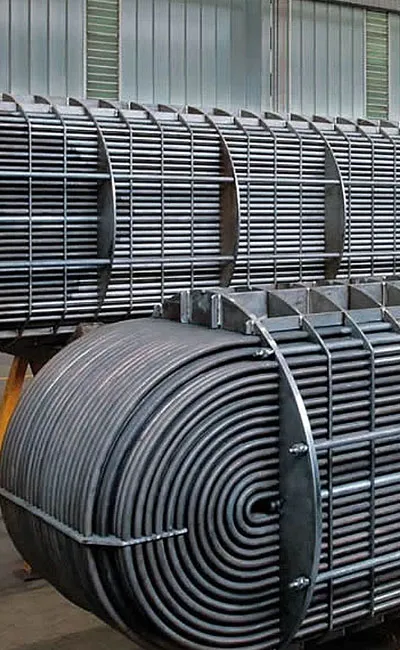
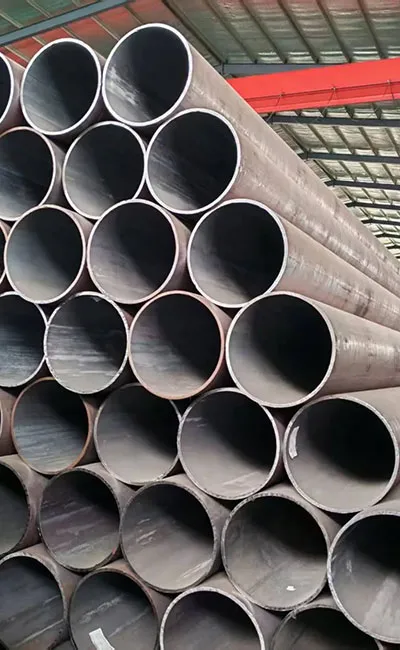
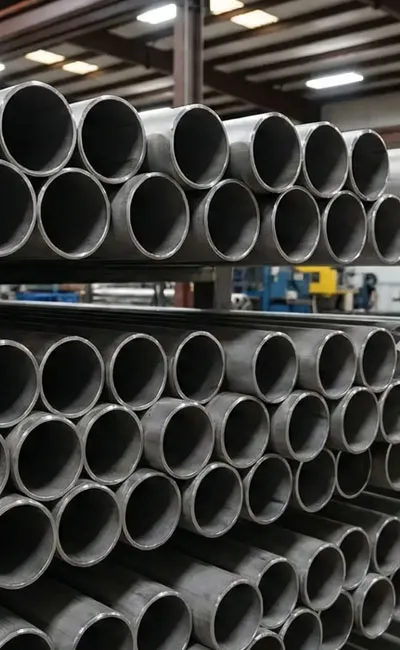
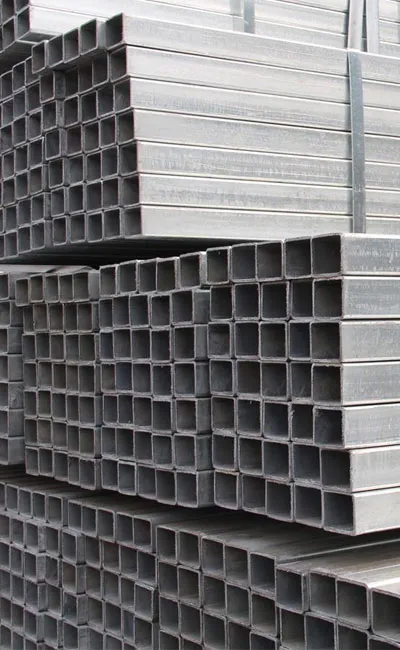
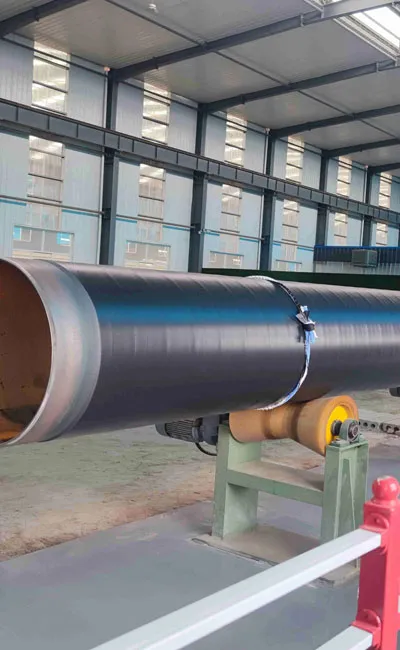
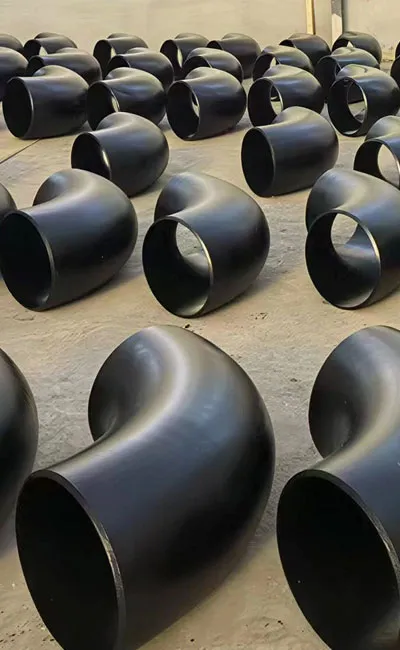
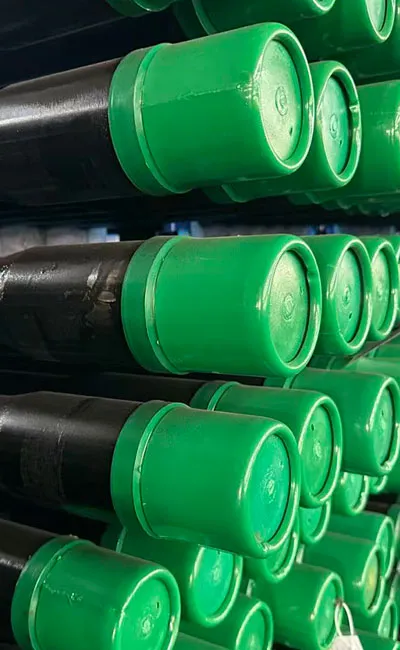
Non-standard steel pipe specifications, as the name suggests, refer to steel pipe sizes and performance indicators that do not meet national or industry standards. These specifications are usually customized according to the needs of specific engineering projects, so they have greater flexibility and personalization. The emergence of non-standard steel pipe specifications not only enriches the product line of the steel pipe market but also provides more choice space for various industries, meeting the special requirements of different projects for steel pipe performance.
Second, the characteristics of non-standard steel pipe specifications
1. Customization: The biggest feature of non-standard steel pipe specifications is their customization. According to the specific needs of the project, manufacturers can tailor the size, wall thickness, material, and other parameters of the steel pipe for customers to ensure that the steel pipe can meet the requirements of specific projects.
2. Diversity: Since non-standard steel pipe specifications are customized according to different needs, they are of various types, covering a variety of sizes and performance indicators. This diversity makes non-standard steel pipes have a wide range of application prospects in different fields.
3. High performance: To meet the needs of specific projects, non-standard steel pipes often need to adopt more advanced processes and technologies in the production process to improve their performance. This makes non-standard steel pipes have excellent performance in terms of pressure resistance, corrosion resistance, and high-temperature resistance.
Third, the application field of non-standard steel pipe specifications
1. Construction industry: In the construction field, non-standard steel pipe specifications are widely used in the supporting structures of bridges, tunnels, high-rise buildings, and other projects. Its excellent bearing capacity and corrosion resistance make non-standard steel pipes an indispensable material for these projects.
2. Machinery industry: In the machinery industry, non-standard steel pipe specifications are often used as transmission shafts, support rods, and other components of equipment. Since non-standard steel pipes can be customized according to the specific needs of the equipment, they can better meet the performance requirements of mechanical equipment.
3. Chemical industry: In the chemical industry, non-standard steel pipe specifications are favored for their excellent corrosion resistance. They are often used to transport corrosive media, such as acids and alkalis, to ensure the safety and stability of chemical production.
4. Power industry: The power industry has extremely high-performance requirements for steel pipes, especially under high-temperature and high-pressure environments. Non-standard steel pipe specifications can be customized according to the specific needs of power equipment to meet its requirements for heat resistance, pressure resistance, and other performance.
Fourth, the future development prospects of non-standard steel pipe specifications
With the advancement of science and technology and the continuous innovation of engineering technology, the demand for non-standard steel pipe specifications will continue to grow. In the future, the non-standard steel pipe industry will face more development opportunities and challenges.
1. Technological innovation drives development: With the continuous advancement of steel smelting, rolling, and other technologies, the production process and performance of non-standard steel pipes will be further improved. This will enable non-standard steel pipes to be used in more fields and meet higher-level needs.
2. Green and environmental protection has become a trend: Against the background of increasingly stringent environmental protection policies, the non-standard steel pipe industry will pay more attention to green production. The use of environmentally friendly materials, reducing energy consumption, and reducing pollution will become important directions for the development of the industry.
3. Intelligent production improves efficiency: With the rapid development of the industrial Internet, the non-standard steel pipe industry will accelerate its intelligent transformation. By introducing intelligent manufacturing technology, the production process can be automated, and intelligentized, and production efficiency and product quality can be improved.
4. Customized services become the focus of competition: In the context of increasingly fierce market competition, non-standard steel pipe companies will pay more attention to providing customized services. Tailor steel pipe specifications and performance according to customer needs, provide comprehensive technical support and after-sales service, and win customer trust and satisfaction.
In summary, as a special and customized steel product, non-standard steel pipe specifications have broad application prospects in various fields. With the continuous advancement of technology and the continuous development of the market, the non-standard steel pipe industry will usher in more opportunities and challenges. We look forward to seeing more innovative, environmentally friendly and intelligent non-standard steel pipe products come out in the future, providing strong support for the development of various industries.
In the steel industry, steel pipes, as an important basic material, are widely used in many fields such as construction, machinery, chemical industry, and electricity. Among them, non-standard steel pipe specifications play an irreplaceable role in meeting specific engineering needs due to their particularity.
First, an overview of non-standard steel pipe specifications
Non-standard steel pipe specifications, as the name suggests, refer to steel pipe sizes and performance indicators that do not meet national or industry standards. These specifications are usually customized according to the needs of specific engineering projects, so they have greater flexibility and personalization. The emergence of non-standard steel pipe specifications not only enriches the product line of the steel pipe market but also provides more choice space for various industries, meeting the special requirements of different projects for steel pipe performance.
Second, the characteristics of non-standard steel pipe specifications
1. Customization: The biggest feature of non-standard steel pipe specifications is their customization. According to the specific needs of the project, manufacturers can tailor the size, wall thickness, material, and other parameters of the steel pipe for customers to ensure that the steel pipe can meet the requirements of specific projects.
2. Diversity: Since non-standard steel pipe specifications are customized according to different needs, they are of various types, covering a variety of sizes and performance indicators. This diversity makes non-standard steel pipes have a wide range of application prospects in different fields.
3. High performance: To meet the needs of specific projects, non-standard steel pipes often need to adopt more advanced processes and technologies in the production process to improve their performance. This makes non-standard steel pipes have excellent performance in terms of pressure resistance, corrosion resistance, and high-temperature resistance.
Third, the application field of non-standard steel pipe specifications
1. Construction industry: In the construction field, non-standard steel pipe specifications are widely used in the supporting structures of bridges, tunnels, high-rise buildings, and other projects. Its excellent bearing capacity and corrosion resistance make non-standard steel pipes an indispensable material for these projects.
2. Machinery industry: In the machinery industry, non-standard steel pipe specifications are often used as transmission shafts, support rods, and other components of equipment. Since non-standard steel pipes can be customized according to the specific needs of the equipment, they can better meet the performance requirements of mechanical equipment.
3. Chemical industry: In the chemical industry, non-standard steel pipe specifications are favored for their excellent corrosion resistance. They are often used to transport corrosive media, such as acids and alkalis, to ensure the safety and stability of chemical production.
4. Power industry: The power industry has extremely high-performance requirements for steel pipes, especially under high-temperature and high-pressure environments. Non-standard steel pipe specifications can be customized according to the specific needs of power equipment to meet its requirements for heat resistance, pressure resistance, and other performance.
Fourth, the future development prospects of non-standard steel pipe specifications
With the advancement of science and technology and the continuous innovation of engineering technology, the demand for non-standard steel pipe specifications will continue to grow. In the future, the non-standard steel pipe industry will face more development opportunities and challenges.
1. Technological innovation drives development: With the continuous advancement of steel smelting, rolling, and other technologies, the production process and performance of non-standard steel pipes will be further improved. This will enable non-standard steel pipes to be used in more fields and meet higher-level needs.
2. Green and environmental protection has become a trend: Against the background of increasingly stringent environmental protection policies, the non-standard steel pipe industry will pay more attention to green production. The use of environmentally friendly materials, reducing energy consumption, and reducing pollution will become important directions for the development of the industry.
3. Intelligent production improves efficiency: With the rapid development of the industrial Internet, the non-standard steel pipe industry will accelerate its intelligent transformation. By introducing intelligent manufacturing technology, the production process can be automated, and intelligentized, and production efficiency and product quality can be improved.
4. Customized services become the focus of competition: In the context of increasingly fierce market competition, non-standard steel pipe companies will pay more attention to providing customized services. Tailor steel pipe specifications and performance according to customer needs, provide comprehensive technical support and after-sales service, and win customer trust and satisfaction.
In summary, as a special and customized steel product, non-standard steel pipe specifications have broad application prospects in various fields. With the continuous advancement of technology and the continuous development of the market, the non-standard steel pipe industry will usher in more opportunities and challenges. We look forward to seeing more innovative, environmentally friendly and intelligent non-standard steel pipe products come out in the future, providing strong support for the development of various industries.
Post time: Jul-22-2024



 English
 Español
 русский язык
 Português