Product News

Hunan Great Steel Pipe Co., Ltd
alloy tube,spiral welded steel pipe,lsaw steel pipe

Alloy Steels pipe

Date: 2019-09-27
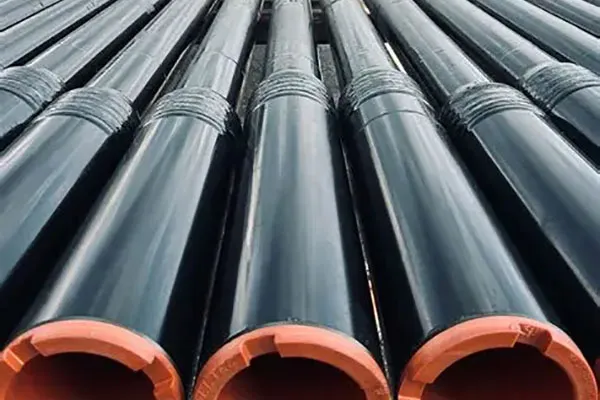
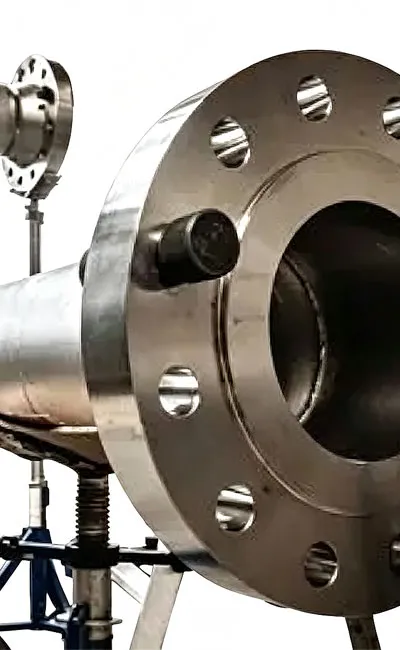
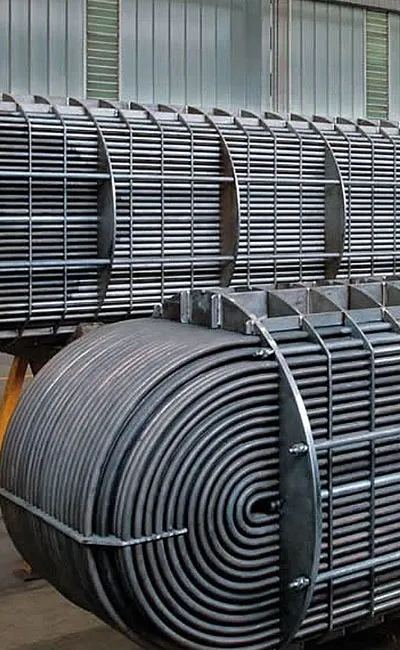
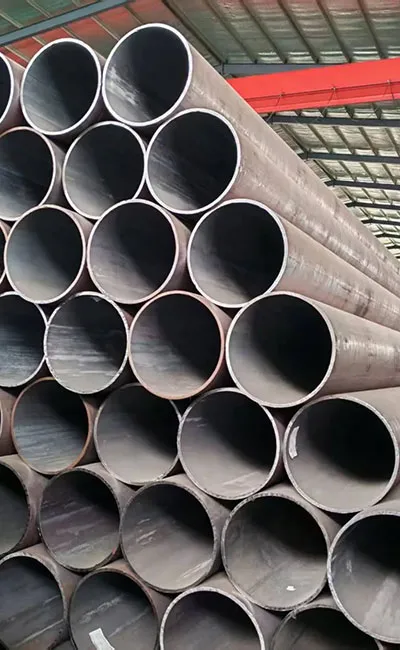
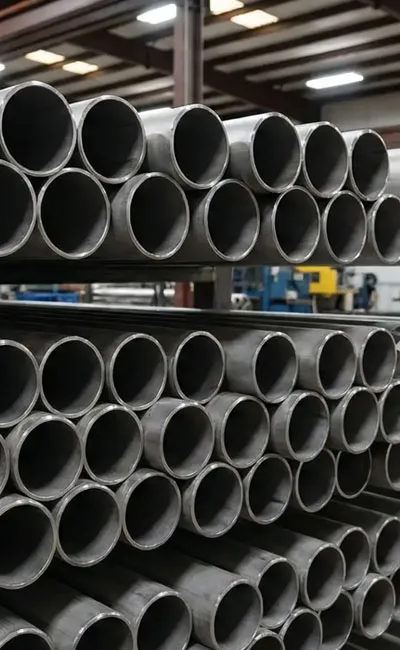
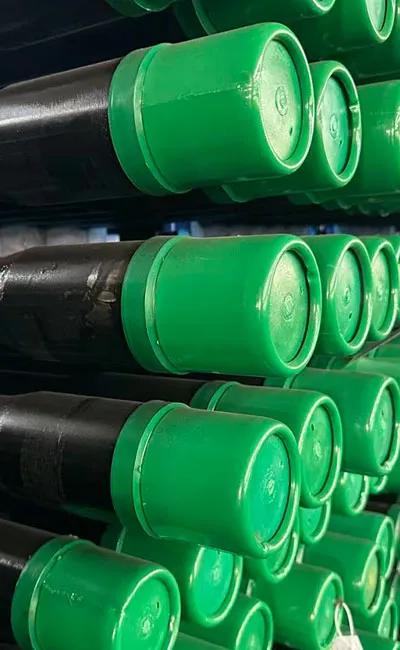
Alloy Steels pipe Stainless steels pipe contain a minimum of 11% chromium, often combined with nickel, to resist corrosion. Some stainless steels, such as the ferritic stainless steels are magnetic, while others, such as the austenitic, are nonmagnetic.Corrosion-resistant steels are abbreviated as CRES. Some more modern steels include tool steels, which are alloyed with large amounts of tungsten and cobalt or other elements to maximize solution hardening. This also allows the use of precipitation hardening and improves the alloy’s temperature resistance.Tool steel is generally used in axes, drills, and other devices that need a sharp, long-lasting cutting edge. Other special-purpose alloys include weathering steels such as Cor-ten, which weather by acquiring a stable, rusted surface, and so can be used un-painted. Maraging steel is alloyed with nickel and other elements, but unlike most steel contains little carbon (0.01%). This creates a very strong but still malleable steel. Eglin steel uses a combination of over a dozen different elements in varying amounts to create a relatively low-cost steel for use in bunker buster weapons. Hadfield steel (after Sir Robert Hadfield) or manganese steel contains 12–14% manganese which when abraded strain-hardens to form an incredibly hard skin which resists wearing. Examples include tank tracks, bulldozer blade edges and cutting blades on the jaws of life. Alloy seamless steel pipe Alloy seamless pipe is a kind of seamless steel pipes, whose property is much higher than the average performance of seamless steel pipe because of high carbon content,The characteristics of alloy seamless pipe with high temperature, low temperature resistance, corrosion resistance make other seamless steel pipe not match.so the more extensive use of alloy tube in the industries of petroleum, chemical, electric power, boiler. Alloy seamless tubes is mainly used for low pressure boiler (working pressure is generally not more than 5.88Mpa operating temperature below 450 ℃) heating surface tubes; for high-pressure boiler tubes, economizer, superheater, reheater, the petrochemical industry pipe. In addition, alloy steel pipe used in power plants, nuclear power, high-pressure boiler, high temperature superheater and reheater, high pressure high temperature piping and equipment, it is the use of high-quality carbon steel, alloy structural steel and heat-resistant stainless steel material, hot rolled(extrusion, expansion) or cold-rolled (pull) from. Post time: Sep-27-2019

Latest news list

  • drill pipe corrosion and washout,drill pipe washout,drill pipe erosion,drill pipe corrosion prevention,drill pipe inspection
    Drill pipe operates under repeated mechanical loads and continuous exposure to drilling fluids,abrasive solids and changing downhole conditions,Over time,these factors can contribute to corrosion,erosion and localized wall loss,In severe cases,material deterioration or mechanical damage may create a hole in the pipe body or a leak at a connection,This condition is commonly described as a drill pipe washout,Understanding the differences between corrosion,erosion and washout helps drilling teams identify potential damage and establish appropriate inspection and maintenance procedures,
  • new vs used drill pipe,drill pipe buying guide,drill pipe inspection,drill pipe procurement,drill pipe traceability
    When purchasing drill pipe,buyers often compare new and used products to balance technical requirements,availability and procurement costs,New drill pipe offers a defined manufacturing history,while used drill pipe may provide a lower initial purchase price if its condition is properly inspected and verified,However,the lowest purchase price does not necessarily represent the best value,The right choice depends on the drilling program,operating conditions,equipment compatibility and the acceptance criteria agreed before purchase,
  • drill pipe fatigue,drill pipe failure,drill string,drill pipe inspection,drill pipe cracks,rotating bending fatigue
    Drill pipe operates under repeated tensile,torsional,bending and dynamic loads throughout drilling operations,Over time,these cyclic stresses can cause fatigue damage,particularly in areas exposed to high stress or local surface defects,Unlike sudden overload failure,fatigue develops progressively,Small cracks may initiate at stress concentration points and grow with repeated loading,If the damage is not identified in time,it can eventually lead to pipe failure,drilling fluid leakage and unplanned downtime,Understanding how drill pipe fatigue develops,where damage may occur and how to inspect for potential defects helps drilling teams manage equipment reliability,
  • how to choose drill pipe,drill pipe selection guide,drill pipe size,drill pipe grades,drilling pipe procurement,drill pipe connection types
    Selecting the right drill pipe involves more than choosing a diameter and steel grade,Each specification must match the drilling program,drill string design,operating loads and connection requirements,An unsuitable selection can create compatibility problems,increase operating costs and shorten equipment service life,For drilling contractors,engineers and procurement teams,a structured selection process helps ensure that the supplied drill pipe meets both technical and project requirements,
  • drill pipe thread protection,drill pipe connection damage,tool joint threads,drill pipe make-up,thread protectors
    Drill pipe connections are exposed to repeated make-up and break-out cycles,handling impacts and demanding drilling loads,Damage to pin and box threads can affect connection reliability,increase maintenance costs and cause unplanned rig downtime,Preventing connection damage requires more than installing thread protectors,Proper handling,cleaning,thread compound application,alignment,torque control and regular inspection all contribute to longer connection service life,

Find what you need ?

close
We use cookies and other tracking technologies to improve your browsing experience on our website, to show you personalized content and targeted ads, to analyze our website traffic, and to understand where our visitors are coming from.