Application details of cold-dip galvanized steel pipes in industrial projects
Date: 2024-07-17
Application details of cold-dip galvanized steel pipes in industrial projects
In the vast universe of steel, cold-dip galvanized steel pipes have become a shining star in the fields of construction, manufacturing, and engineering with their unique luster and tough body. Today, let us unveil the mystery of cold-dip galvanized steel pipes and explore their diverse types and excellent performance.
First, the types of cold-dip galvanized steel pipes
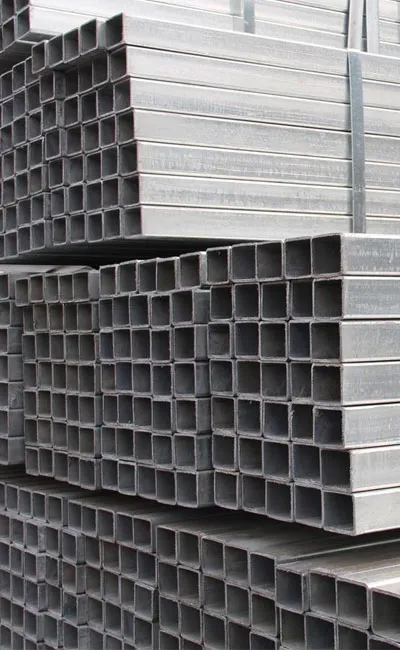
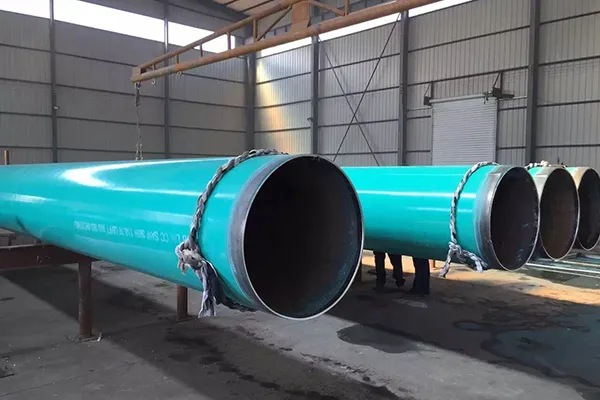
Cold-dip galvanized steel pipes, as the name suggests, are steel pipes that form a layer of zinc film on the surface of the steel pipe through electrochemical or chemical reactions at room temperature. This layer of zinc film not only gives the steel pipe additional protection but also gives it a variety of forms and uses. According to the production process and application field, cold-dip galvanized steel pipes can be mainly divided into the following types:
1. Electro-galvanized steel pipe: This is the most common cold-dip galvanized steel pipe, which forms a uniform zinc layer on the surface of the steel pipe through the electroplating process. It has good corrosion resistance and is suitable for general indoor environments.
2. Mechanically galvanized steel pipe: This type of steel pipe uses mechanical rolling to evenly press zinc powder into the surface of the steel pipe to form a thicker zinc layer. It is suitable for outdoor environments, especially those occasions that require stronger corrosion resistance.
3. Alloyed galvanized steel pipe: During the galvanizing process of this steel pipe, some alloy elements such as aluminum and magnesium are added to improve the corrosion resistance and welding performance of the steel pipe. This steel pipe is suitable for more demanding environmental conditions.
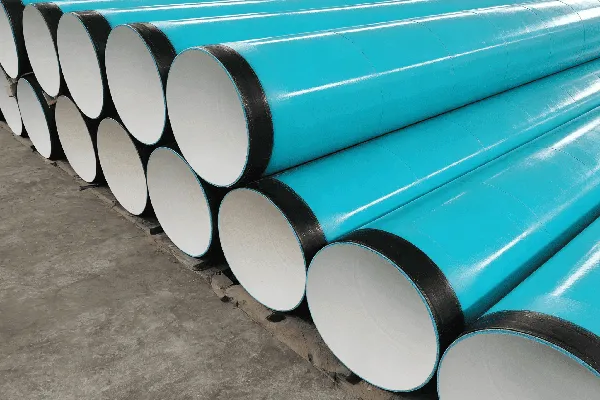
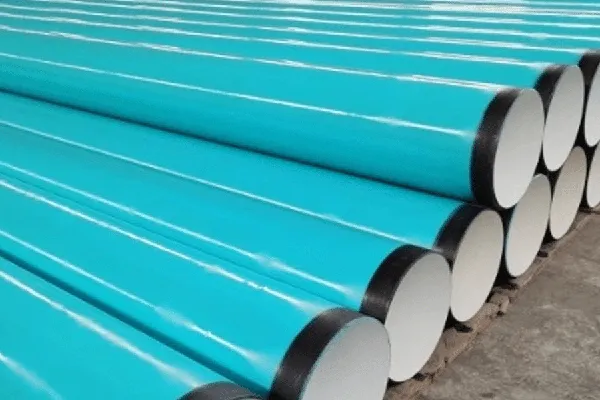
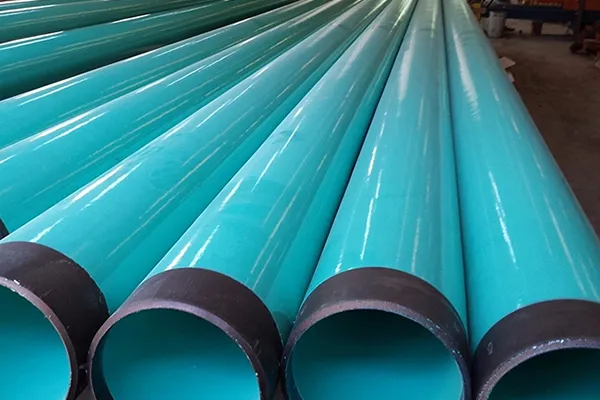
4. Colored galvanized steel pipe: To meet the needs of architectural decoration, colored galvanized steel pipes are given a colorful appearance by hot dipping or spraying based on galvanizing. This kind of steel pipe is not only practical but also highly decorative.
Second, the performance advantages of cold-dip galvanized steel pipes
The reason why cold-dip galvanized steel pipes are popular in the market is mainly due to their excellent performance:
-Corrosion resistance: The zinc layer can effectively prevent the steel pipe from rusting and extend its service life. This advantage is particularly obvious in humid or saline environments.
-Environmental protection: The cold galvanizing process does not produce high temperatures, is environmentally friendly, and meets the green development requirements of modern industry.
-Economical: Compared with hot-dip galvanizing, cold galvanizing has lower costs and less energy consumption during the production process, which helps to reduce overall costs.
-Processability: Cold-dip galvanized steel pipes are not easy to deform during processing, maintaining the original mechanical properties of the steel pipes, and facilitating subsequent cutting, bending, and other processing operations.
Third, the application field of cold-dip galvanized steel pipes
The application range of cold-dip galvanized steel pipes is extremely wide, covering almost all aspects of modern life:
-Construction industry: In building structures, cold-dip galvanized steel pipes are used to support frames, roof drainage systems, balcony railings, etc., which are both beautiful and durable.
-Agricultural field: In greenhouses and livestock breeding facilities, cold-dip galvanized steel pipes provide stable structural support while preventing corrosion of metal structures.
-Manufacturing: In industries such as automobile manufacturing and home appliance production, cold-dip galvanized steel pipes are used to make various parts to ensure the quality and life of products.
-Infrastructure: In public facilities such as bridges, highway guardrails, and urban lighting facilities, the corrosion resistance and aesthetics of cold-dip galvanized steel pipes are fully utilized.
Cold-dip galvanized steel pipes, the green guardian of the steel world, provide solid support for modern industry and life with its diverse types, excellent performance, and wide application. With the advancement of technology and the improvement of environmental awareness, we have reason to believe that cold-dip galvanized steel pipes will continue to play an increasingly important role in the steel industry and contribute to the sustainable development of human society.
Post time: Jul-17-2024










 English
 Español
 русский язык
 Português