Industry News

Hunan Great Steel Pipe Co., Ltd
galvanized steel pipe,304L stainless steel pipe,carbon steel pipe manufacturer

LSAW Steel Pipe Rust Method

Date: 2019-11-11
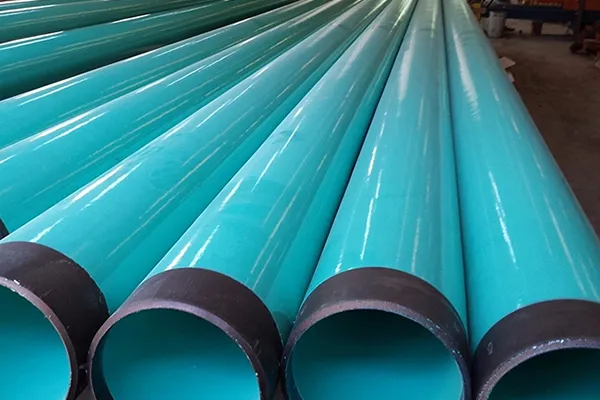
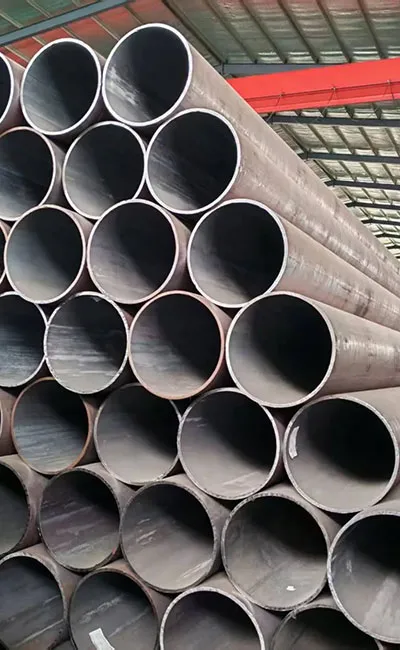
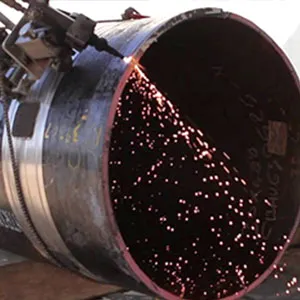
LSAW Steel Pipe Rust Method ​In the oil and gas pipeline anti-corrosion construction process, LSAW steel pipe anti-corrosion surface treatment is to determine the life of one of the key factors, it is LSAW steel pipe anti-corrosion layer and whether the combination of a solid premise. The study of professional organizations, in addition to the life of the coating depends on the type of coating,Coating quality and construction of environmental factors, LSAW steel pipe coating surface treatment of life-span of about 50%, therefore, should be strictly in accordance with standard coating the surface of LSAW steel pipe requirements, continuous improvement straight seam steel surface treatment method,LSAW steel pipe are mainly the following methods in addition to embroidery categories: 1, the use of solvent cleaning, emulsion cleaning the steel surface, in order to achieve the removal of oil, grease, dust, lubricants and similar organisms, but it can not remove the steel surface rust, oxide, welding flux, etc., so the anti-government operations only as an adjunct. 2, pickling Generally two methods used to do chemical and electrolytic pickling process, pipeline corrosion using only chemical etching, to remove oxidation, rust, old coatings, sometimes used as a sand-blasting after reprocessing. Although chemical cleaning can achieve a certain surface cleanliness and roughness, but the anchorpattern light, and easy to pollute the surrounding environment. 3, tools rust Mainly use a wire brush and other tools on the polished steel surface, can remove loose oxide, rust, welding slag. Hand tools rust can reach Sa2 grade power tools rust up Sa3 level, if attached to a solid steel surface oxide scale, tools rust is not satisfactory,Reach the construction requirements of corrosion depth of anchor pattern. 4, spray rust spray rust by high-power high-speed rotating blade motor driven spray, so that steel shot, grit, wire segments, minerals and other abrasive strong centrifugal force in the motor straight seam steel pipes under the surface of the spray treatment, not only You can completely remove oxides, rust and dirt and LSAW steel pipe in severe abrasive impact and the role of friction, but also to achieve the required uniform roughness. Spray rust, can not only expand the role of physical adsorption tube surface, and can enhance the corrosion layer and the mechanical adhesion of the tube surface. Therefore, the jet rust is the ideal way to pipe corrosion. Generally, shot peening rust inside the tube is mainly used for surface treatment, shot blasting straight seam steel pipes mainly used for the outer surface treatment.stringent requirements of the production process to be rust-related technical specifications, to prevent operational errors result in straight seam steel pipe to second injury, in addition to straight seam steel pipes through embroidery, embroidered products appearance and in addition it will be more smooth than before, than straight seam steel pipes embroidered in the steel industry is a frequently used technique. Post time: Nov-11-2019

Latest news list

  • FBE steel pipe field joint coating,FBE pipe welding protection,field joint coating,FBE coating repair,FBE field joint inspection
    FBE (fusion-bonded epoxy) coating provides external corrosion protection for steel pipes used in pipeline projects,However,during pipeline construction,the coating near pipe ends must be protected while individual pipe sections are joined by welding,The exposed joint area then requires a suitable field joint coating system,If this work is not properly controlled,damage or poor bonding at the joint can compromise the continuity of the pipeline's corrosion protection,Protecting the factory coating and applying the correct field joint system are therefore important parts of pipeline construction,
  • how to choose FBE coated steel pipe,FBE pipe selection,FBE coated pipeline requirements,FBE coated steel pipe size,FBE coated steel pipe purchase
    Selecting FBE coated steel pipes for a pipeline project involves more than specifying pipe diameter,wall thickness and coating thickness,Buyers must consider the base pipe,coating system,operating environment,installation conditions and inspection requirements as one coordinated package,A well-defined purchase specification helps prevent material mismatches,coating defects and documentation gaps before production begins,The following points provide a practical checklist for engineers,EPC contractors and procurement teams,
  • FBE coating and cathodic protection,FBE coated steel pipe,external pipeline corrosion control,cathodic protection monitoring,FBE coating disbondment
    Buried steel pipelines are exposed to moisture,soil chemicals and other environmental conditions that can cause external corrosion,To reduce this risk,pipeline projects commonly combine external fusion-bonded epoxy (FBE) coating with cathodic protection (CP),Although both methods help protect steel against corrosion,they work in different ways,FBE coating provides a physical barrier between the pipe surface and its surroundings,while cathodic protection uses an electrochemical process to reduce corrosion at exposed areas,Their effectiveness depends on proper design,installation,inspection and long-term monitoring,
  • FBE coated steel pipe quality control,FBE coating inspection,FBE coating thickness measurement,FBE pipe inspection,FBE coating quality control
    The quality of an FBE (Fusion Bonded Epoxy) coated steel pipe cannot be judged by its appearance alone,A smooth coating surface does not necessarily mean that the coating has achieved the required thickness,adhesion,or curing condition,For pipeline applications,quality control starts with the incoming bare steel pipe and continues through surface preparation,coating application,curing,and final inspection,Each stage should follow an approved procedure and the requirements specified for the project,A documented inspection process also allows buyers to verify that the supplied pipes meet the agreed technical requirements,
  • FBE coated steel pipes for buried pipelines,buried pipeline corrosion protection,FBE coated steel pipe installation
    FBE (Fusion Bonded Epoxy) coating is widely used to protect steel pipes against external corrosion in buried pipeline systems,It forms a protective barrier between the steel surface and the surrounding soil,However,coating performance depends on more than the quality of the factory-applied layer,Soil conditions,transportation,installation,field joint protection and cathodic protection all affect the long-term integrity of a buried pipeline,A reliable protection strategy should address these factors before the pipe is placed underground,

Find what you need ?

close
We use cookies and other tracking technologies to improve your browsing experience on our website, to show you personalized content and targeted ads, to analyze our website traffic, and to understand where our visitors are coming from.