Price List

Hunan Great Steel Pipe Co., Ltd
carbon steel pipe supplier,ssaw steel pipe,coated carbon steel pipe

Seamless steel pipe piercing

Date: 2019-09-05
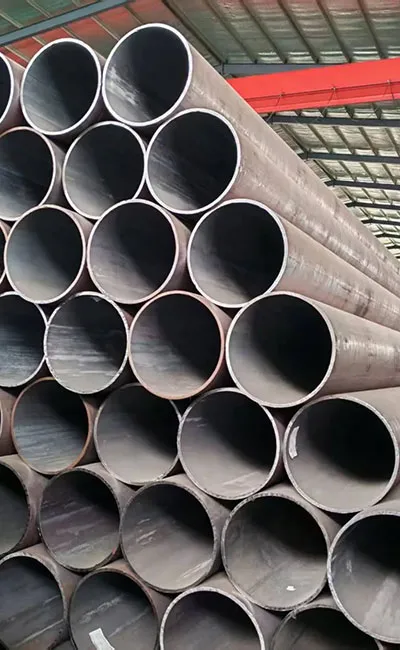
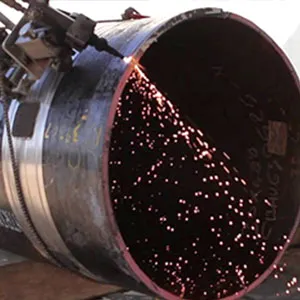
Seamless steel pipe piercing Piercing is the first step of hot-rolled seamless steel pipe deformation, and its role is to solid hollow tube billet dressed as capillary. Due to wear a capillary surface defects or eccentric (uneven thickness) is difficult to eliminate or reduce the deformation process, therefore, the quality of perforated capillary has a very important impact on the quality of hot-rolled seamless steel pipe. Way pressure tube perforation punching, pushing rotary piercing and piercing. Thick-walled seamless steel mainly used in petroleum geology drilling pipe, petrochemical used in cracking tubes, boiler tubes, pipes and automotive bearings, tractors, aviation and other precision tube structure, its manufacturing process: hot rolled seamless steel tube round → heating → three perforated roll rolling, rolling or extrusion → detached → sizing (or reducing) cooling → straightening → ​​hydrostatic test (or testing) logo → storage. Hot-rolled seamless steel ingot casting can destroy tissue, grain refinement of steel and eliminate defects microstructure, so that the steel dense tissue mechanical properties are improved. This improvement is mainly reflected in the direction along the rolling direction to a certain extent in the steel is no longer isotropic; pouring formed bubbles, cracks and loose, can be welded at a high temperature and pressure. After hot-rolled seamless steel tube round baked to go through the pressure puncher piercing. Generally more common punch is tapered roller punching machine, punching machine such high production efficiency, product quality, perforated expanding capacity, can be worn a variety of steel. After perforation, round tube has been three-roll rolling, rolling or extrusion. To squeeze off the pipe after sizing. Sizing mill into high-speed rotating cone drill through perforated steel embryo formed steel. Pipe inside diameter is determined by the outside diameter sizing mill drill length. After sizing the pipe into the cooling tower through spray cooling pipe after cooling, it is necessary to be straightened. After straightening the steel conveyor belt to the metal detection machine (or pressure test) for internal testing. If the internal pipe cracks, bubbles and other issues, will be detected. After the selection of steel but also through strict quality control manual. After the steel quality, spray paint on number, size, batch number and so on. By a crane into the warehouse. Post time: Sep-05-2019

Latest news list

  • structural steel profile corrosion protection,outdoor steel profile corrosion,H-beam rust prevention,angle steel corrosion,galvanized structural steel
    H beams,I beams,U channels,and angle steel are widely used in outdoor structures,including equipment platforms,pipe supports,access walkways,storage facilities,and industrial frames,Once installed,these profiles are exposed to rain,humidity,airborne pollutants and,in some locations,salt or chemical contamination,Corrosion does not develop evenly across every steel member,Water can collect around connections,beneath base plates or inside poorly drained details,If the protective system does not match the service environment,corrosion may gradually reduce the effective steel section and increase maintenance costs,Effective corrosion protection starts with understanding the exposure conditions,selecting a suitable protective system,and addressing details that allow moisture to accumulate,
  • structural steel profile production,H beam production,I beam production,U channel production,angle steel production,structural steel profile inspection
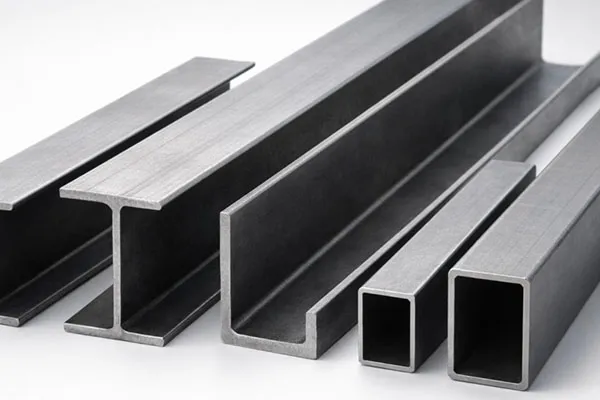
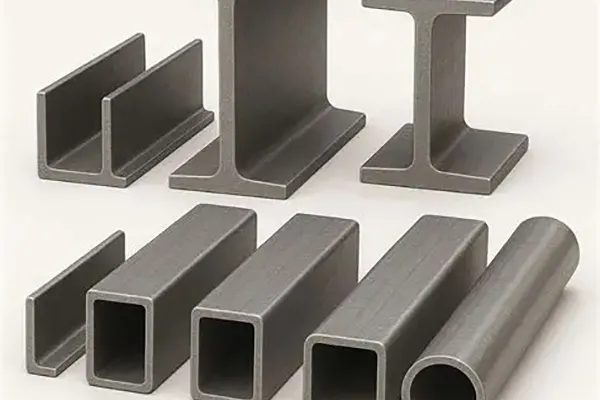
    Structural steel profiles are widely used in industrial buildings,bridges,infrastructure,equipment frames and other construction projects,H beams,I beams,U channels and angle steel have different cross-sectional shapes,each designed for particular structural and fabrication requirements,Although these products look different,their manufacturing processes share several stages,including steel preparation,forming,cooling,straightening and inspection,Understanding how structural steel profiles are produced helps engineers and buyers evaluate product specifications and communicate more effectively with suppliers,
  • FBE coated steel pipe inspection and maintenance,FBE pipeline maintenance,steel pipe coating inspection,FBE coating defects
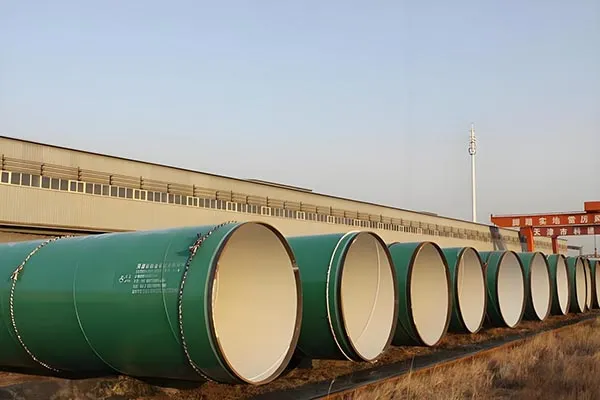
    FBE (fusion-bonded epoxy) coating provides external corrosion protection for steel pipelines,particularly in buried and submerged applications,However,the coating does not eliminate the need for inspection after installation,Construction damage,field joint defects,ground movement and third-party excavation can affect the protective system during pipeline service,For buried pipelines,most of the external coating cannot be examined directly without excavation,Operators therefore need a planned integrity management approach that combines construction records,accessible-area inspections,corrosion monitoring and targeted investigation of suspected defects,
  • FBE steel pipe export supply,FBE steel pipe export,FBE pipe shipment,international steel pipe supplier
    Exporting FBE coated steel pipes for an overseas pipeline project involves more than arranging production and booking shipment,The order must move through several connected stages,from technical specification review and pipe sourcing to coating coordination,inspection,documentation and delivery,Each stage needs to follow the approved purchase requirements,A mismatch in pipe specifications,coating details,inspection records or shipping documents can delay acceptance and affect the project schedule,A clear coordination process helps buyers maintain control over these details before the goods leave the country of origin,
  • prevent FBE steel pipe coating,FBE pipe handling,FBE coated pipe transportation,FBE coating repair,FBE steel pipe coating inspection
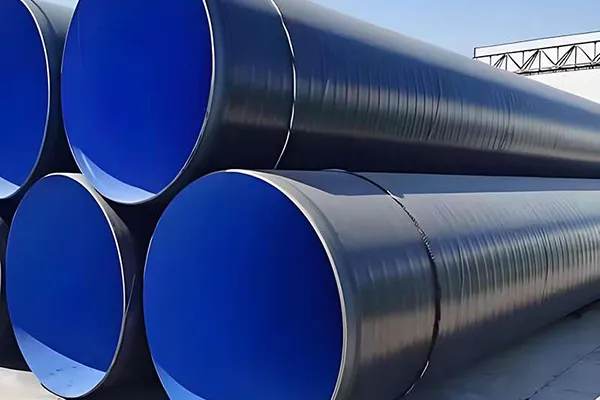
    Fusion-bonded epoxy (FBE) coating provides external corrosion protection for steel pipes used in steel pipeline systems,However,even a properly applied coating can be damaged after leaving the coating facility,Scratches,impact marks,and abrasion may occur during lifting,transportation,storage,or installation,potentially exposing the steel surface to corrosion,Preventing this damage requires more than careful handling at one stage,Protection should be considered throughout the supply and construction process,from loading and delivery to trench installation and final inspection,

Find what you need ?

close
We use cookies and other tracking technologies to improve your browsing experience on our website, to show you personalized content and targeted ads, to analyze our website traffic, and to understand where our visitors are coming from.