Product News

Hunan Great Steel Pipe Co., Ltd
steel tube supplier,coated carbon pipe,erw pipe

Why choose 304 or 316L for thin-walled stainless steel pipes

Date: 2024-02-26
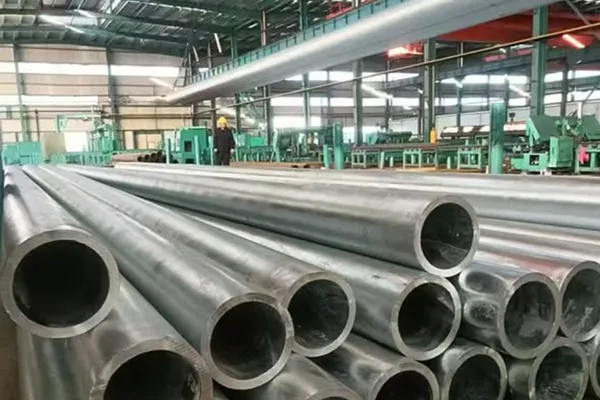
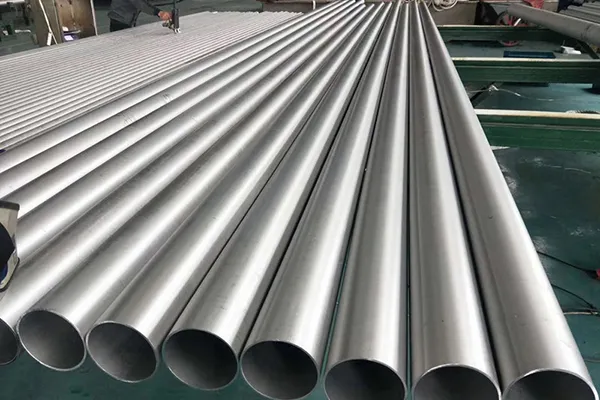
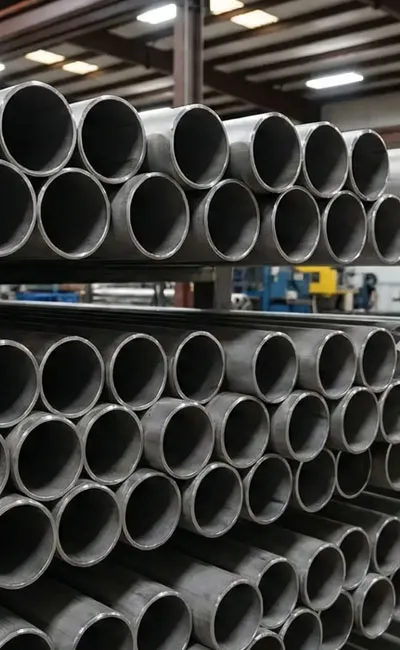
Why choose 304 or 316L for thin-walled stainless steel pipes Thin-walled stainless steel pipes are widely used in industrial and commercial applications, with the most common materials being 304 and 316L stainless steel. These two stainless steels have excellent corrosion resistance and mechanical properties and are therefore chosen as the materials of choice for thin-walled stainless steel pipes. Below I will explain why to choose 304 or 316L stainless steel. First, stainless steel pipes need to have good corrosion resistance because they are often used to transport a variety of media, including liquids, gases, and chemicals. 304 stainless steel is a common stainless steel material containing 18% chromium and 8% nickel. This chemical composition gives 304 stainless steel excellent corrosion resistance, making it resistant to the most common corrosive media, such as water, acids, and alkalis. Therefore, 304 stainless steel pipes are widely used in general industry and construction fields. In comparison, 316L stainless steel has higher corrosion resistance. It contains 2-3% molybdenum, which provides additional protection against corrosion. This allows 316L stainless steel pipe to perform well in harsher environments, especially where chloride ions or other corrosive gases are present. Therefore, 316L stainless steel pipes are widely used in chemical, marine, and food processing industries, which have higher requirements for corrosion resistance. Secondly, stainless steel pipes also need to have good mechanical properties to meet various application needs. Both 304 and 316L stainless steel have excellent strength and toughness, making them suitable for piping systems in high-pressure and high-temperature environments. Additionally, both materials are easy to machine and weld, providing greater design flexibility. In summary, the choice of 304 or 316L stainless steel as the material for thin-walled stainless steel pipes is based on its excellent corrosion resistance and mechanical properties. Depending on specific application needs and environmental conditions, selecting the appropriate stainless steel material can ensure the reliability and durability of your piping system. Post time: Feb-26-2024

Latest news list

  • stainless seamless steel pipe stock,stainless seamless steel pipe supplier,stainless steel pipe procurement
    When an industrial project is already underway,waiting for a full production cycle is not always practical,Maintenance shutdowns,replacement requirements,construction delays,and additional project quantities can create an immediate need for stainless seamless steel pipe,In these situations,available stock can provide a shorter procurement route—provided the material matches the project specification,For urgent orders,speed matters,but specification,traceability,inspection,and delivery control should not be overlooked,
  • stainless seamless steel pipe shipment,stainless seamless steel pipe delivery,stainless steel pipe export
    For an international stainless seamless steel pipe order,manufacturing is only one part of successful project execution,The supplier must also ensure that the specified material is inspected,traceable,documented,properly packaged,and released for shipment,For EPC contractors,project owners,distributors,and engineering companies,these steps can directly affect project schedules and receiving inspections,A well-managed shipment creates a clear connection between the purchase specification and the physical cargo delivered to the project,
  • stainless seamless steel pipe problems,stainless seamless pipe failure,stainless steel pipe corrosion
    Stainless seamless steel pipe is widely used in industrial piping because it can provide corrosion resistance and reliable mechanical performance when the material is correctly selected for the service conditions,However,seamless construction does not eliminate every piping risk,Corrosion,wall-thickness loss,connection leakage,thermal movement,mechanical damage,and material mix-ups can still affect system reliability,Understanding the common problems—and how they develop—helps engineers and maintenance teams prevent avoidable failures,
  • stainless seamless steel pipe buying guide,stainless seamless steel pipe procurement,stainless seamless pipe supplier
    Buying stainless seamless steel pipe for an overseas project requires more than comparing prices per ton,For EPC contractors,project owners,engineering companies,distributors,and international traders,the purchase also involves material selection,technical compliance,inspection,traceability,packaging,shipping,and delivery control,The most effective approach is to define the technical requirements first and then compare suppliers against the same specification,
  • stainless seamless steel pipe maintenance,stainless seamless pipe inspection,stainless steel pipe corrosion
    Stainless seamless steel pipe is often selected for its corrosion resistance and long service potential,but it still requires proper maintenance after installation,Maintenance is not simply about replacing pipe when damage appears,A better approach is to monitor the pipe,control avoidable risks,and identify changes before they develop into leakage,wall loss,or more serious system problems,

Find what you need ?

close
We use cookies and other tracking technologies to improve your browsing experience on our website, to show you personalized content and targeted ads, to analyze our website traffic, and to understand where our visitors are coming from.