Company News

Hunan Great Steel Pipe Co., Ltd
stainless seamless steel pipe shipment,stainless seamless steel pipe delivery,stainless steel pipe export

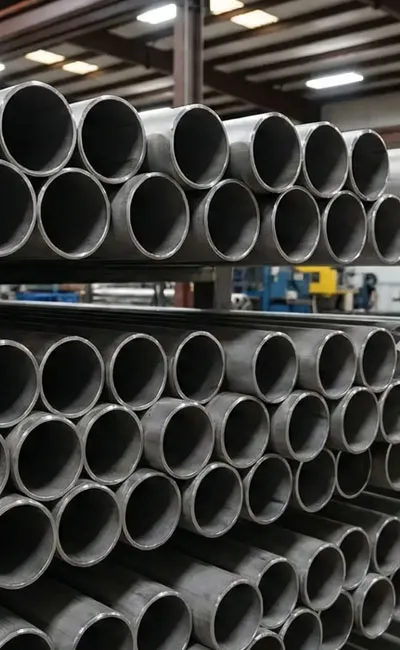
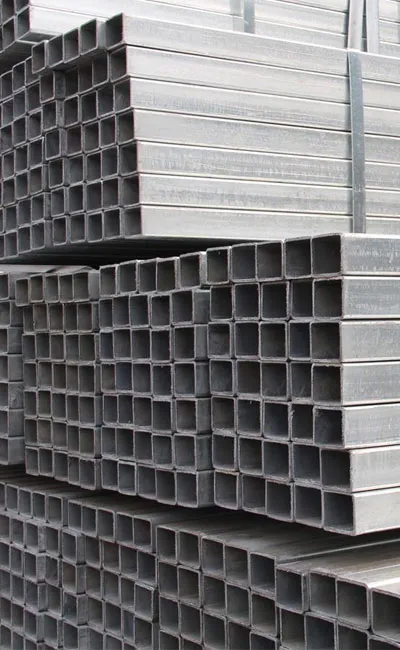
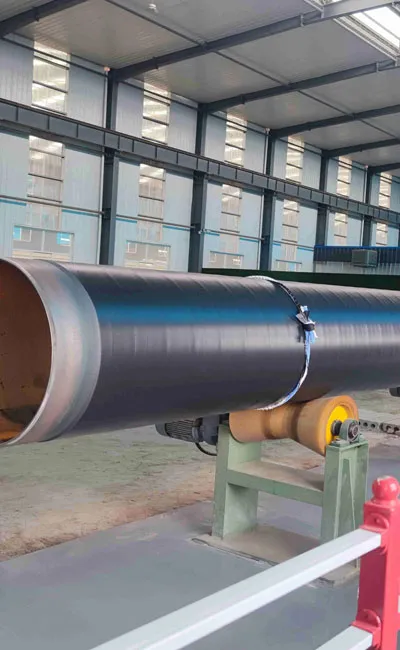
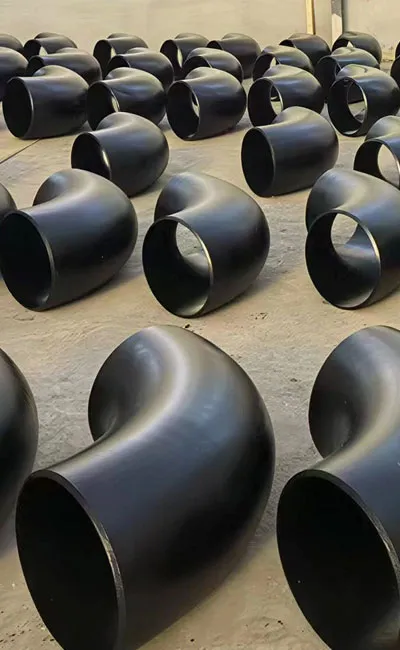
Stainless Seamless Steel Pipe Shipment: From Order Confirmation to Overseas Delivery

Date: 2026-09-11
For an international stainless seamless steel pipe order, manufacturing is only one part of successful project execution. The supplier must also ensure that the specified material is inspected, traceable, documented, properly packaged, and released for shipment. For EPC contractors, project owners, distributors, and engineering companies, these steps can directly affect project schedules and receiving inspections. A well-managed shipment creates a clear connection between the purchase specification and the physical cargo delivered to the project.

1. Confirm the Order Specification Before Production

Shipment control starts before the pipe enters production. The buyer and supplier should confirm the agreed:
  • Stainless steel grade
  • Product standard
  • Outside diameter and wall thickness
  • Length and quantity
  • End preparation
  • Inspection requirements
  • Marking
  • Packaging
  • Documentation
  • Delivery destination and schedule
This technical confirmation gives production, inspection, packing, and logistics teams the same reference. It also reduces the risk of producing or shipping material that does not match the purchase order.

2. Organize Production Around the Project Schedule

After technical confirmation, production can be planned according to quantity, manufacturing requirements, inspection timing, and the requested delivery date. For large project orders, production and inspection may need to be coordinated in stages. The important point is to establish a realistic sequence rather than treating production and shipment as separate activities. Where applicable, the production schedule should allow sufficient time for final inspection, document preparation, packing, and loading.

3. Complete Inspection Before Cargo Release

Before shipment, the pipes should be checked according to the agreed purchase specification. Depending on the applicable standard and project requirements, inspection may include:
  • Chemical analysis
  • Mechanical testing
  • Dimensional inspection
  • Surface inspection
  • NDT
  • Hydrostatic testing
  • Third-party inspection
For stainless steel pipe covered by ASTM A312/A312M, for example, requirements include heat treatment, mechanical properties, and specified nondestructive electric or hydrostatic testing. The actual inspection scope should always follow the applicable standard and purchase specification. Shipment should proceed only after the required inspection and release procedures have been completed.

4. Connect Physical Pipes With Their Documents

Documentation is not separate from shipment quality. The pipe markings, bundle identification, heat numbers, packing list, and inspection records should be consistent so that the buyer can identify the material after arrival. Depending on the project, the document package may include:
  • Material Test Certificates
  • Chemical and mechanical test results
  • NDT reports
  • Dimensional inspection records
  • Hydrostatic test records
  • Packing list
  • Commercial invoice
  • Shipping documents
  • Specified inspection certificates
This traceability becomes particularly important when an order contains multiple grades, sizes, heats, or production batches.

5. Prepare Packaging for the Actual Transportation Route

Stainless seamless steel pipe may be handled several times before reaching the final project site. Packaging should therefore be selected according to pipe dimensions, surface requirements, handling method, shipping route, and buyer requirements. Depending on the order, attention may be given to:
  • Pipe-end protection
  • Surface protection
  • Bundle security
  • Bundle identification
  • Lifting and handling
  • Protection from contamination or moisture where applicable
The objective is not simply to make the cargo look organized. Packaging should help protect the pipe and make identification easier during loading, unloading, storage, and receiving inspection.

6. Verify Loading Before Shipment

Loading is the final physical control point before the cargo leaves the supplier's facility. The loading plan should consider pipe weight, bundle arrangement, lifting method, available container or vessel capacity, and cargo protection. Before dispatch, the supplier and buyer should verify the final quantity and identification against the shipping documents. For project orders, photographs of the packed cargo and loading process can also provide useful shipment evidence when required.

7. Keep the Buyer Informed During Shipment

International delivery involves multiple parties, including the supplier, inspection team, freight forwarder, carrier, customs authorities, and receiving team. Clear communication helps each party prepare for the next step. Depending on the agreed process, the buyer may need updates covering: Production → Inspection → Packing → Loading → Shipment Documents → Dispatch. The exact communication method can vary, but the principle is simple: the buyer should have enough information to coordinate receiving arrangements before the cargo arrives.

Why Project Execution Matters

A technically compliant pipe can still create project problems if documentation is incomplete, packaging is unsuitable, or shipment coordination is poor. For overseas projects, supplier capability should therefore be evaluated across the complete execution chain: Technical Confirmation → Manufacturing → Inspection → Traceability → Documentation → Packaging → Loading → Shipment → Delivery. This approach reduces the risk of discovering specification or documentation problems only after the cargo has left the country of origin.

Pre-Shipment Checklist

Before stainless seamless steel pipe is released for shipment, confirm:
  • Specification: Grade, standard, dimensions, quantity, and end condition match the purchase order.
  • Inspection: Required tests and inspections are completed and accepted.
  • Traceability: Heat numbers and bundle markings can be identified.
  • Documentation: Required certificates, inspection records, and shipping documents are complete.
  • Packaging: Pipes are properly protected, bundled, and marked.
  • Loading: Cargo quantity and loading information have been verified.
  • Communication: Shipment information has been provided to the receiving team.

FAQ

Q1: What documents are normally required for overseas stainless seamless steel pipe shipments?
A1: Requirements vary by project. Common documents may include MTCs, inspection reports, packing lists, commercial invoices, shipping documents, and specified certificates.
Q2: How is heat-number traceability maintained during shipment?
A2: Heat numbers should remain identifiable on the pipe or bundle markings and should correspond with the relevant inspection and material records. The packing list can also be used to connect physical bundles with shipment documentation.
Q3: When should inspection be completed before shipment?
A3: Required inspections should normally be completed and accepted before the cargo is released for shipment. The exact timing and inspection hold points should be defined in the purchase order or inspection plan.
Q4: How should stainless seamless steel pipe be packaged for overseas transportation?
A4: Packaging depends on pipe dimensions, surface requirements, handling method, shipping route, and buyer specifications. Pipe ends, surfaces, bundles, markings, and lifting arrangements should be considered as part of the packing plan.
Q5: How can buyers track a project order before delivery?
A5: The supplier should provide clear status information covering the agreed stages, such as production, inspection, packing, loading, shipping documentation, and dispatch.

Final Takeaway

Successful stainless seamless steel pipe delivery depends on more than manufacturing the correct product. The complete process should connect technical requirements, quality inspection, traceability, documentation, packaging, loading, and logistics execution. For overseas project buyers, a supplier's value is therefore measured not only by manufacturing capability, but also by its ability to maintain control from order confirmation to final delivery.

Latest news list

  • stainless seamless steel pipe problems,stainless seamless pipe failure,stainless steel pipe corrosion
    Stainless seamless steel pipe is widely used in industrial piping because it can provide corrosion resistance and reliable mechanical performance when the material is correctly selected for the service conditions,However,seamless construction does not eliminate every piping risk,Corrosion,wall-thickness loss,connection leakage,thermal movement,mechanical damage,and material mix-ups can still affect system reliability,Understanding the common problems—and how they develop—helps engineers and maintenance teams prevent avoidable failures,
  • stainless seamless steel pipe buying guide,stainless seamless steel pipe procurement,stainless seamless pipe supplier
    Buying stainless seamless steel pipe for an overseas project requires more than comparing prices per ton,For EPC contractors,project owners,engineering companies,distributors,and international traders,the purchase also involves material selection,technical compliance,inspection,traceability,packaging,shipping,and delivery control,The most effective approach is to define the technical requirements first and then compare suppliers against the same specification,
  • stainless seamless steel pipe maintenance,stainless seamless pipe inspection,stainless steel pipe corrosion
    Stainless seamless steel pipe is often selected for its corrosion resistance and long service potential,but it still requires proper maintenance after installation,Maintenance is not simply about replacing pipe when damage appears,A better approach is to monitor the pipe,control avoidable risks,and identify changes before they develop into leakage,wall loss,or more serious system problems,
  • stainless seamless steel pipe,stainless seamless pipe selection,304 pipe,316 pipe,stainless seamless pipe supplier
    Choosing stainless seamless steel pipe should start with the service conditions,not the supplier's lowest price,The correct pipe needs to match the fluid,temperature,pressure,corrosion environment,dimensions,applicable standard,inspection requirements,and project schedule,A clear selection process helps buyers avoid material mismatches,specification changes,and problems during installation or acceptance,
  • stainless seamless steel pipe,corrosion resistant stainless steel pipe,304 stainless steel pipe
    Corrosion is a major consideration when selecting piping for chemical processing,water treatment,marine service,and other industrial systems,Stainless seamless steel pipe can provide reliable corrosion resistance,but stainless steel is not immune to every corrosive condition,The correct selection depends on the process fluid,temperature,chemical concentration,material grade,piping design,and inspection requirements,

Find what you need ?

close
We use cookies and other tracking technologies to improve your browsing experience on our website, to show you personalized content and targeted ads, to analyze our website traffic, and to understand where our visitors are coming from.