5. Straightening, Cutting, and Surface Finishing
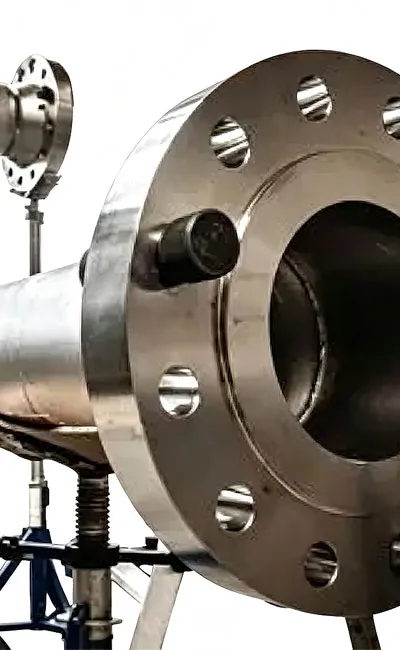
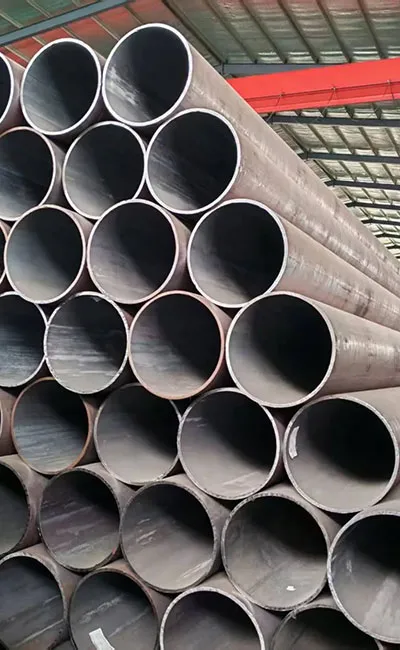
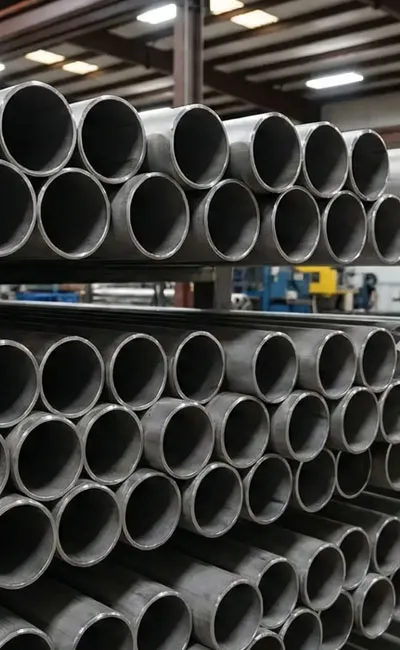
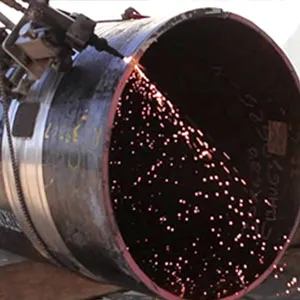
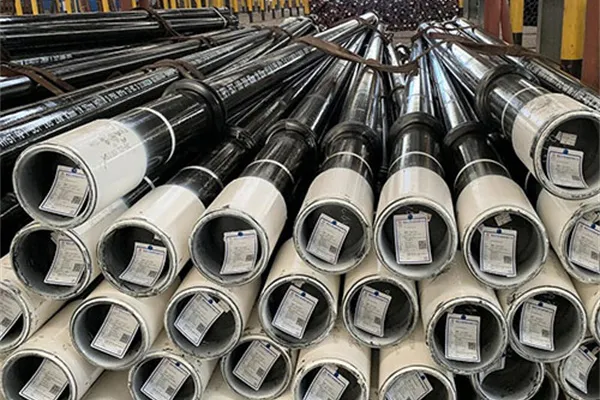
After the main forming and heat-treatment stages, the pipe may undergo straightening, cutting, end finishing, cleaning, and other surface treatment as required. The finished surface should be suitable for inspection and the intended application. Surface inspection can identify conditions such as unacceptable marks, laps, cracks, or other defects specified by the applicable product standard. For stainless steel, surface condition can also matter during later fabrication or service, particularly where cleanliness and corrosion performance are important.
Quality control should continue throughout production rather than being limited to the final inspection. Depending on the applicable specification and project requirements, inspection may include:
-
Chemical composition verification
-
Tensile testing
-
Hardness or other mechanical tests where specified
-
Dimensional inspection
-
Surface examination
-
Non-destructive testing
-
Hydrostatic or specified alternative testing
-
Heat treatment verification
-
Final visual inspection
The exact test scope should always follow the governing product standard and purchase specification. For example, ASTM A312/A312M includes mechanical testing and requires each pipe to undergo the specified nondestructive electric test or hydrostatic test under the standard's requirements.
7. Traceability Connects the Pipe to Its Records
For project procurement, traceability is as important as the physical pipe. A finished stainless seamless steel pipe should be identifiable through its marking and production records, allowing the buyer to connect the pipe with its material heat and applicable inspection documentation. Depending on the project, the documentation package may include:
-
Mill Test Certificate (MTC)
-
Chemical analysis
-
Mechanical test results
-
Heat-treatment records
-
NDT reports
-
Dimensional inspection records
-
Hydrostatic test records
-
Final inspection records
Good traceability reduces uncertainty during receiving inspection and project acceptance.
8. What Should Buyers Look for in a Manufacturer?
When evaluating a stainless seamless steel pipe supplier, buyers should look beyond the final product photograph. A capable manufacturer should be able to explain the complete production route:
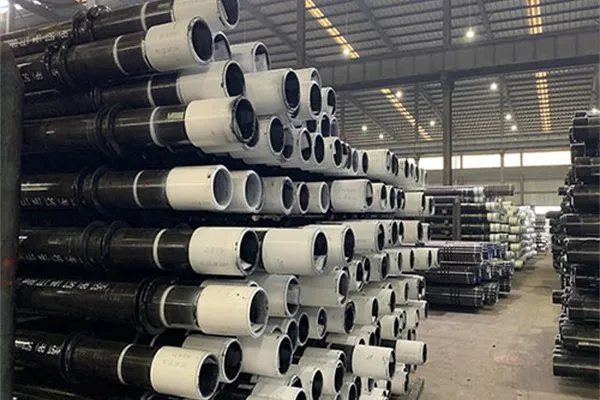
Billet Verification → Heating → Piercing → Rolling/Sizing → Heat Treatment → Finishing → Inspection → Testing → Marking → Documentation. Where available, real production photographs can provide useful evidence of the manufacturing process, such as billet preparation, piercing, heat treatment, dimensional inspection, NDT, and finished-pipe inspection. This type of evidence is more useful than general claims about “advanced technology” because it shows how the product is actually controlled.
FAQ:
Q1: What is the basic manufacturing process for stainless seamless steel pipe?
A1: The typical route involves billet verification, heating, piercing, forming or rolling, sizing or cold working where applicable, heat treatment, finishing, inspection, testing, and final marking and documentation. The exact route depends on the grade, dimensions, and governing specification.
Q2: Is stainless seamless pipe better than welded pipe?
A2: Not automatically. Seamless and welded pipes have different manufacturing characteristics and application advantages. Selection should be based on the required grade, dimensions, service conditions, applicable standard, and project specification.
Q3: What should buyers check before purchasing stainless seamless pipe?
A3: Check the steel grade, applicable standard, dimensions, manufacturing route, heat treatment, inspection scope, testing requirements, traceability, documentation, and the supplier's ability to meet the project specification.
Q4: Why is heat treatment important?
A4: Heat treatment helps establish the required metallurgical condition and mechanical properties of the stainless steel pipe. The treatment must follow the applicable material specification and manufacturing procedure.
Final Takeaway
The quality of stainless seamless steel pipe is built step by step—from the original billet to the finished, tested, and documented pipe. For technical buyers, the most useful evaluation is therefore not simply “What does the finished pipe look like?”It is: “How was the pipe manufactured, how was each critical stage controlled, and can the supplier provide traceable evidence that it meets our specification?”That approach provides a stronger basis for supplier evaluation, quality acceptance, and long-term project performance.










 English
 Español
 русский язык
 Português