310S stainless steel pipe is a commonly used stainless steel pipe in industrial projects
Date: 2025-02-13
310S stainless steel pipe is a commonly used stainless steel pipe in industrial projects
With the advancement of industrial technology and the improvement of people’s quality requirements, stainless steel products have been widely used in various fields. As one of the star products in the stainless steel industry, 310S stainless steel pipe has become the preferred material for many engineering projects and fields due to its excellent performance and wide applicability.
First, the characteristics of 310S stainless steel pipe
310S stainless steel is a stainless steel material with high-temperature oxidation resistance. Its main features are as follows:
1. Good high-temperature resistance: 310S stainless steel pipe can be used for a long time at temperatures up to 1050 degrees Celsius and has excellent heat resistance. This makes it widely used in industrial equipment, heat treatment furnaces in high-temperature environments, and pipeline systems in petrochemical, power, and other industries.
2. Excellent corrosion resistance: 310S stainless steel pipe has excellent corrosion resistance in acidic, alkaline, and high-temperature corrosive media. Whether it is chemical, pharmaceutical, food processing, or marine engineering, 310S stainless steel pipe can play a stable role and extend the service life of equipment.
3. Excellent processing performance: 310S stainless steel pipe has good plasticity and weldability, and can be easily processed by cold processing, hot processing, and welding. This makes 310S stainless steel pipe have high production efficiency and flexibility in manufacturing various types of profiles, components, and pipelines.
Second, the application field of 310S stainless steel pipe
Due to the excellent performance of 310S stainless steel pipe, its application field is very wide. The following are some common application fields:
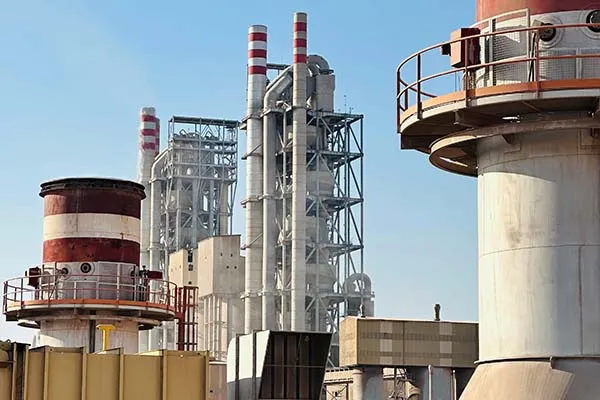
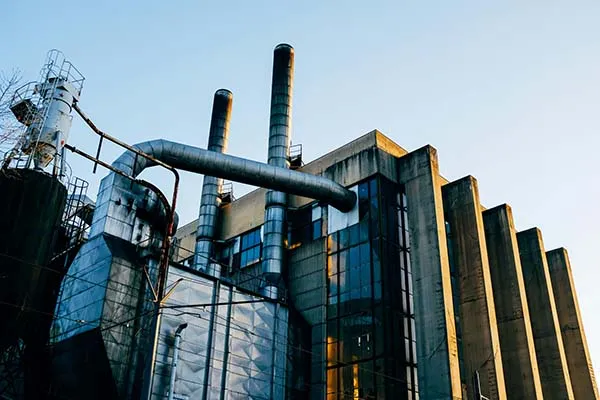
1. Petrochemical industry: 310S stainless steel pipe is widely used in oil refining, chemical equipment, and pipeline systems. It can withstand high temperatures and corrosive media to ensure the normal operation of equipment.
2. Power industry: 310S stainless steel pipe plays an important role in thermal power generation and nuclear power industry. It is widely used in equipment such as boilers, heat exchangers, cooling towers, and steam pipelines, and can withstand high temperature and high-pressure working environments.
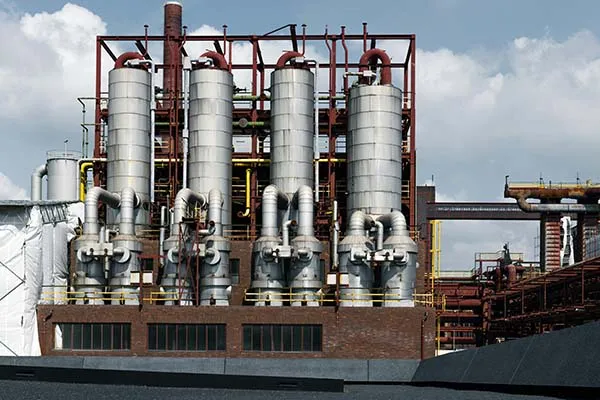
3. Chemical engineering: 310S stainless steel pipe is used to manufacture chemical equipment and pipeline systems, such as reactors, evaporators, storage tanks, etc. Its corrosion resistance can effectively protect the equipment from the erosion of acid and alkali media.
4. Food processing industry: 310S stainless steel pipes are widely used in food processing equipment and piping systems. The surface of stainless steel is smooth and seamless, and will not produce secondary pollution, which can ensure the hygiene and safety of food.
5. Building decoration: 310S stainless steel pipes are used to make various building decoration materials, such as stair handrails, railings, doors and windows, etc. Its beautiful appearance and strong durability can meet people’s diverse needs for building decoration.
Third, technical knowledge of 310S stainless steel pipes
In addition to understanding the characteristics and application fields of 310S stainless steel pipes, it is also very important to understand some related technical knowledge. The following will briefly introduce some technical knowledge related to 310S stainless steel pipes:
1. Classification of stainless steel: According to different organizational structures and chemical compositions, stainless steel can be divided into austenitic stainless steel, ferritic stainless steel, martensitic stainless steel, and duplex stainless steel. 310S stainless steel belongs to austenitic stainless steel and has good high-temperature resistance.
2. Surface treatment of stainless steel: The surface treatment of stainless steel pipes usually includes pickling, sandblasting, polishing, and other processes to improve its appearance quality and corrosion resistance.
3. Stainless steel welding: Stainless steel pipes often need to be welded during processing and installation. Common stainless steel welding methods include TIG welding, MIG welding, and resistance welding.
4. Stainless steel maintenance: Stainless steel pipes need regular maintenance during use to extend their service life. Common maintenance methods include cleaning, coating protective agents, and regular inspections.
In summary, 310S stainless steel pipes, as a star product in the stainless steel industry, have been favored by engineers and project parties for their excellent performance and wide range of applications. With the continuous development of industrial technology, 310S stainless steel pipes will play a more important role in more fields. We believe that in the near future, 310S stainless steel pipes will continue to make greater contributions to the development of all walks of life.
Post time: Feb-13-2025










 English
 Español
 русский язык
 Português