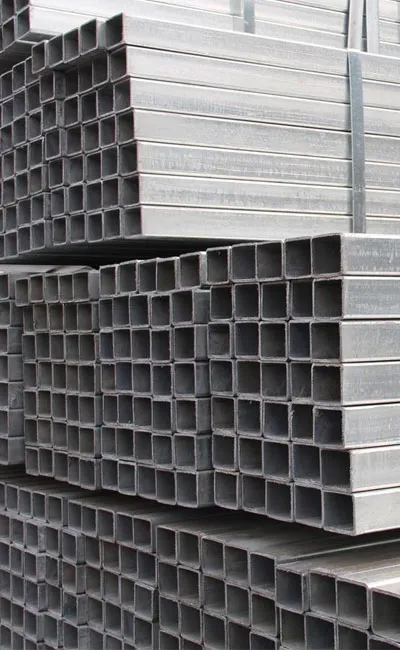
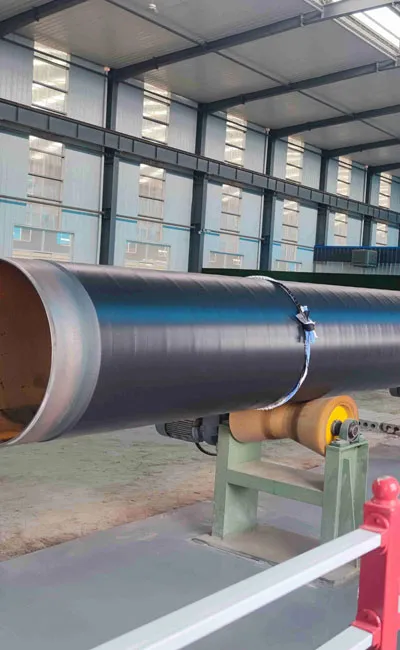
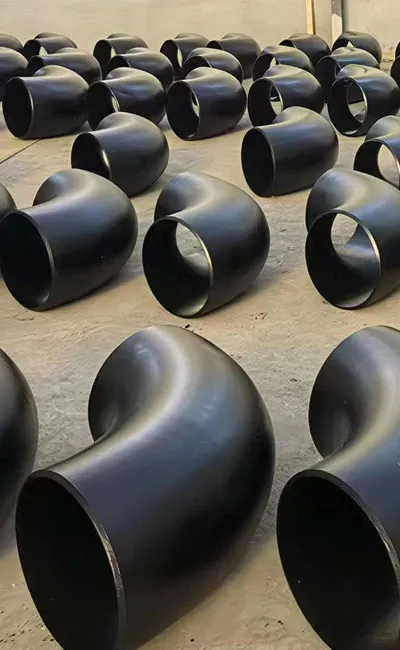
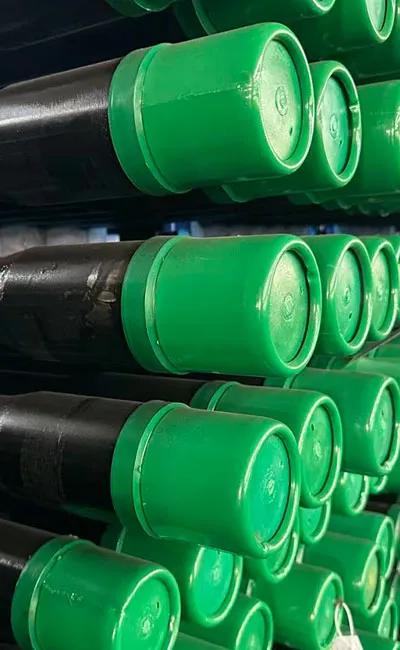
80mm steel pipe is the sturdiness and flexibility in the steel industry
Date: 2024-07-11
80mm steel pipe is the sturdiness and flexibility in the steel industry
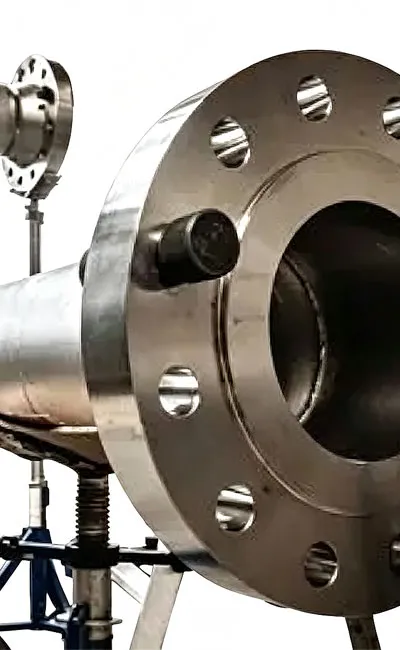
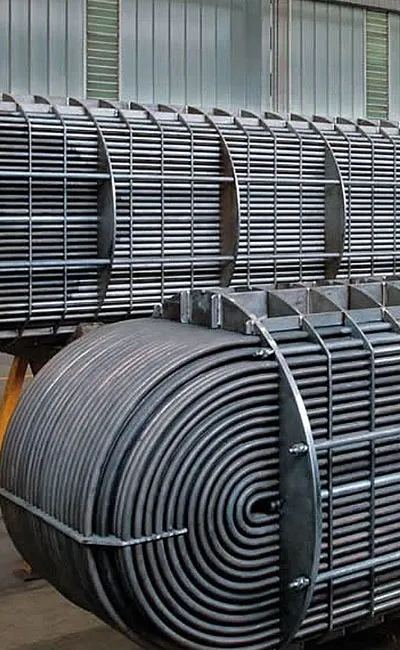
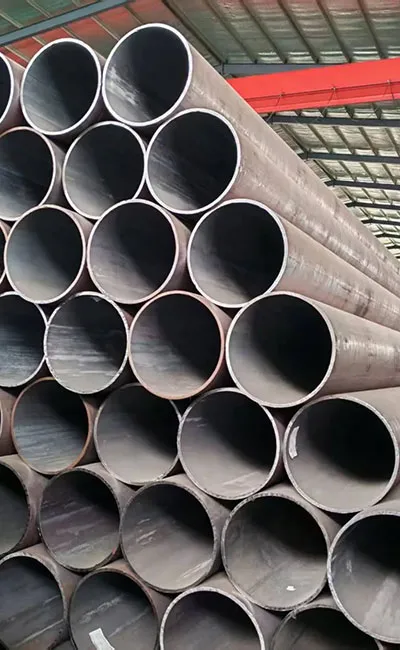
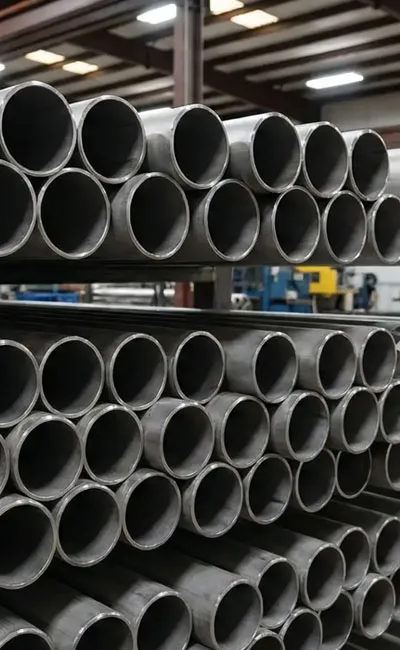
In the steel industry, steel pipes are widely used and diversified. Steel pipes, with their excellent mechanical properties and durability, play an indispensable role in many fields such as construction, engineering, and manufacturing. As a member of the steel pipe family, 80mm steel pipes have occupied a place in various application scenarios with their unique advantages.
First, the characteristics and advantages of 80mm steel pipes
80mm steel pipes are mainly characterized by their wall thickness of 80mm in diameter. Compared with common steel pipes, their wall is thicker, providing higher bearing capacity and stability. Such characteristics enable 80mm steel pipes to maintain good structural integrity under greater pressure, bending, or impact. In addition, 80mm steel pipes also have excellent corrosion resistance and can resist chemical erosion in various harsh environments, thereby ensuring their long service life. At the same time, due to the advanced manufacturing process, the inner and outer surfaces of the steel pipe are smooth and not easy to accumulate scale, which further enhances its durability.
Second, the application field of 80mm steel pipe
1. Construction industry: In the construction field, 80mm steel pipe is widely used in supporting structures due to its high strength and good stability. Whether it is the frame support of large-scale construction projects or the installation of elevator tracks in high-rise buildings, it can be seen.
2. Manufacturing industry: In the manufacturing industry, 80mm steel pipe is often used as a raw material for equipment manufacturing. Due to its excellent mechanical properties and durability, the manufactured equipment is more durable. At the same time, its easy welding and processing characteristics also greatly simplify the manufacturing process.
3. Pipeline engineering: In pipeline engineering, an 80mm steel pipe is used as a pipeline for transporting water, gas, oil, and other media due to its strong pressure resistance. Its use greatly improves the safety and stability of the pipeline system.
4. Agricultural field: In modern agricultural irrigation systems, an 80mm steel pipe is used as an irrigation pipe due to its good durability and pressure resistance. Its use makes the irrigation system more efficient and easy to maintain.
5. Transportation facilities: In the construction of railway and highway bridges, 80mm steel pipes are often used as part of the supporting structure. It provides a stable and durable foundation for transportation facilities.
Third, the production and processing of 80mm steel pipes
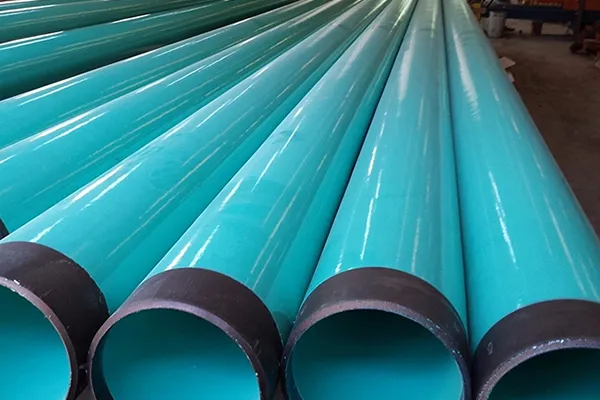
The production of 80mm steel pipes requires a series of complex process flows. First of all, the selection of high-quality steel as raw materials is the key. After cutting, bending, welding, heat treatment, and other process links, the finished steel pipe we need is finally formed. In this process, advanced production equipment and strict quality control are important factors to ensure the quality of steel pipes. For different application scenarios and customer needs, surface treatment and customized processing of 80mm steel pipes are also indispensable links. Common surface treatment methods include galvanizing, spraying, etc., which aim to improve the corrosion resistance and aesthetics of steel pipes. At the same time, according to actual needs, cutting, bending, punching and other processing of steel pipes are also important means to meet the diverse needs of customers.
Fourth, prospects
With the continuous advancement of science and technology and the growing demand for high-quality materials in various industries, the application prospects of 80mm steel pipes will be broader. In the future, with the further optimization of production processes and technological innovation, we are expected to see the advent of higher-quality and high-performance 80mm steel pipes, providing stronger support for the development of various industries. In summary, an 80mm steel pipe has occupied an important position in the steel industry with its unique performance advantages and application value. With the continuous changes in market demand and the development of technology, it is believed that it will continue to play a greater role in the future and contribute to the progress of various industries. Whether it is the stable structure of the construction industry, the solid foundation of manufacturing equipment, or the safe transportation of pipeline systems, 80mm steel pipe will show its irreplaceable value with its strong and flexible characteristics.
Post time: Jul-11-2024










 English
 Español
 русский язык
 Português