Tips for choosing and using galvanized steel pipes and stainless steel pipes
Date: 2024-07-12
Tips for choosing and using galvanized steel pipes and stainless steel pipes
Steel pipes are everywhere in our daily lives. From building structures to water pipe systems, almost all infrastructure cannot do without them. Among the many types of steel pipes, galvanized steel pipes and stainless steel pipes have attracted much attention due to their excellent performance and wide application fields. So, what are the differences between these two types of steel pipes? How should we choose?
First, galvanized steel pipes
1. What is a galvanized steel pipe?
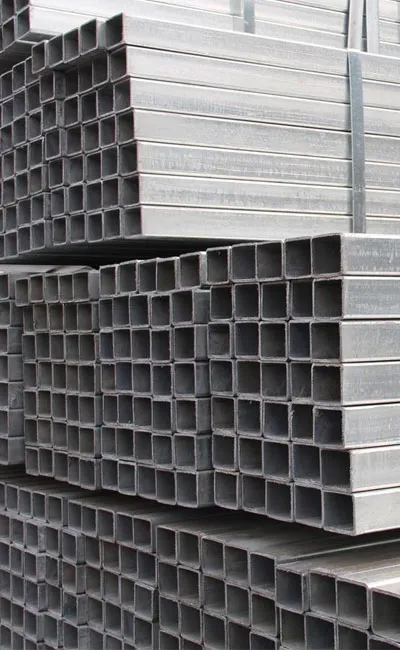
A galvanized steel pipe refers to a pipe with a layer of zinc on the surface of the steel pipe, which has the advantages of corrosion resistance and wear resistance. Common galvanized steel pipes are hot-dip galvanized and electro-galvanized.
2. Characteristics of galvanized steel pipes:
(1) Strong anti-corrosion performance: The zinc coating can effectively resist the atmosphere, water, and other corrosive media so that the steel pipe can maintain a long service life in various environments.
(2) Low cost: Compared with stainless steel pipes, galvanized steel pipes are more affordable and suitable for large-scale production and application.
(3) Simple construction: The connection and installation of galvanized steel pipes are relatively easy and suitable for various construction projects.
3. Application fields of galvanized steel pipes
Due to their excellent anti-corrosion performance and low cost, galvanized steel pipes are widely used in construction, municipal engineering, fire protection, agriculture, and other fields. Especially in humid or high-salt environments, galvanized steel pipes show excellent corrosion resistance.
Second, stainless steel pipes
1. What are stainless steel pipes?
Stainless steel pipes refer to pipes made of stainless steel materials, which have excellent corrosion resistance, high-temperature resistance, and pressure resistance. Common stainless steel pipes include 304, 316, and other different models.
2. Characteristics of stainless steel pipes
(1) High quality: Stainless steel pipes have excellent corrosion resistance, high-temperature resistance, and pressure resistance, and can meet various high-standard application requirements.
(2) Environmental protection: Stainless steel materials can be recycled and reused, which meets the requirements of sustainable development.
(3) Beautiful: The surface of stainless steel pipes is smooth, not easy to rust, and has high aesthetics.
3. Application fields of stainless steel pipes
Due to their high quality and aesthetics, stainless steel pipes are widely used in high-end construction, chemical, food, medicine, and other fields. In these environments with extremely strict requirements on material performance, stainless steel pipes show excellent stability and reliability.
Third, how to choose galvanized steel pipes and stainless steel pipes?
When choosing galvanized steel pipes and stainless steel pipes, we need to decide according to the specific application scenarios and needs.
1. Use environment: In corrosive environments, such as coastal areas or industrial areas, stainless steel pipes have more advantages. In general building structures and municipal engineering, galvanized steel pipes are a better choice due to their lower cost and good corrosion resistance.
2. Budget: The price of stainless steel pipes is relatively high. If the budget is limited, galvanized steel pipes will be a more economical choice.
3. Aesthetics: In the field of high-end architecture and decoration, the smooth surface and high aesthetics of stainless steel pipes can better meet the design requirements. The application of galvanized steel pipes in this regard will be limited due to their rough surface.
4. Installation and maintenance: Galvanized steel pipes are easier to connect and install, while different types of stainless steel pipes may require specific connection methods and technologies. Therefore, this should also be taken into consideration when considering installation and maintenance costs.
5. Long-term benefits: Although the initial investment of stainless steel pipes may be large, its long life and low maintenance requirements make it advantageous in long-term benefits. After considering factors such as the use environment and budget, if you are more concerned about long-term benefits, stainless steel pipes may be a better choice.
6. Sustainability: For projects that focus on environmental protection and sustainable development, stainless steel pipes are more attractive because of their recyclable and reusable characteristics. Galvanized steel pipes are relatively weak in environmental protection.
7. Specific needs: For certain specific application scenarios, such as the chemical, pharmaceutical, or food processing industries, stainless steel pipes are often the only choice due to their high requirements for material performance. In these industries, even if the cost is high, to ensure the quality and safety of the product, the stability and reliability of stainless steel pipes are indispensable.
Galvanized steel pipes and stainless steel pipes each have their own characteristics and application advantages. When choosing, they should be determined according to the specific use environment and needs. Only by understanding and being familiar with the performance characteristics of each steel pipe can the most suitable decision be made. At the same time, choosing the right type of steel pipe is also an important part of ensuring the quality of the project. Therefore, various factors should be fully considered in the selection process to ensure that the final selected steel pipe can meet the actual needs of the project.
In the field of modern construction and engineering, with the continuous advancement of technology and the improvement of environmental protection requirements, we believe that the application of stainless steel pipes and galvanized steel pipes will become more and more extensive. Whether pursuing economy or high quality, these two types of steel pipes can perform excellently in different application scenarios.
Post time: Jul-12-2024










 English
 Español
 русский язык
 Português