Price List

Hunan Great Steel Pipe Co., Ltd
hot dipped galvanized pipe,alloy tube,api tubing

About carbon steel pipe tubing

Date: 2019-04-27
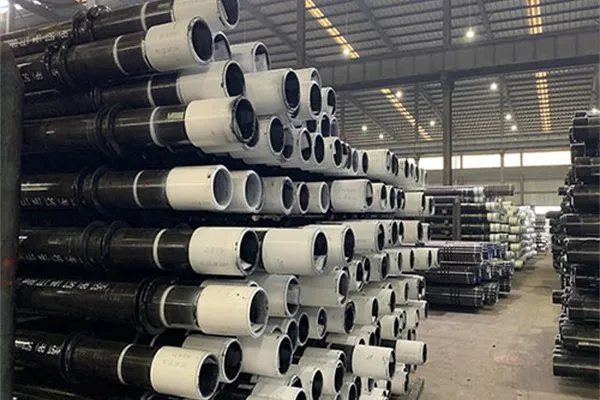
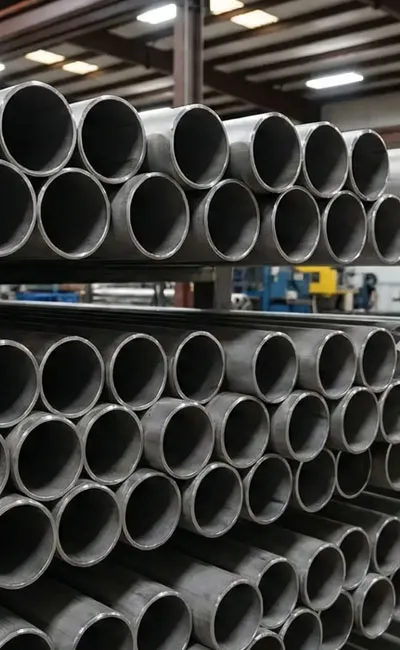
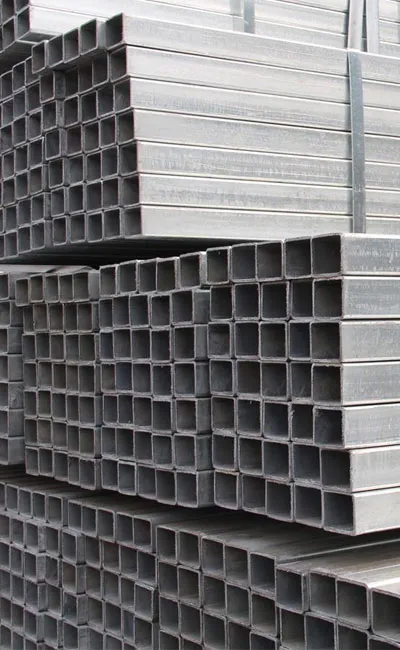
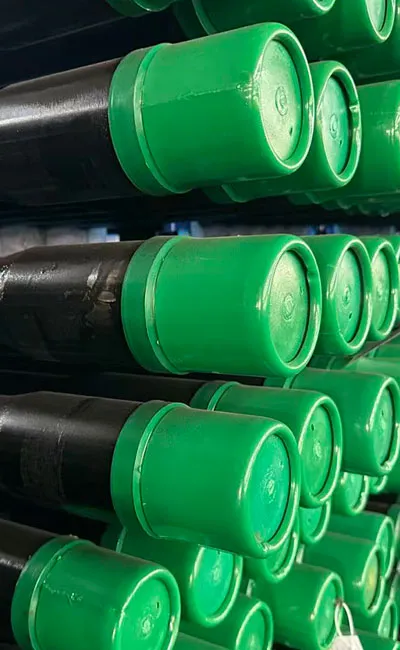
About carbon steel pipe tubing Tubing is used to transport fluids and gases in a variety of pneumatic, hydraulic, and process applications. Tubes are usually cylindrical in shape, but may have round, rectangular, or square cross-sections. Tubing is specified in terms of outside diameter (OD) and, depending upon the material of construction, either rigid or flexible. There are several basic types of products. Metal tubes are made of aluminum, brass, bronze, copper, steel, stainless steel, or precious metals. Plastic tubes are made of ethyl vinyl acetate (EVA), polyamides, polyethylene (PE), polyolefin, polypropylene (PP), polyurethane (PU), polytetrafluoroethylene (PTFE), polyvinyl chloride, or polyvinylidene fluoride (PVDF). Rubber tubes are made of natural compounds such as polyisoprene or synthetic materials such as silicone. Glass and quartz tubes are commonly available. Electrical tubing is designed to contain wires and minimize the risks posed by electrical hazards. Fiberglass tubing is impervious to many caustics and suitable for extreme temperatures. Mechanical tubing includes stronger cross-sections and is designed for structural applications. Medical tubing is usually sterilized and relatively small in diameter. Selecting tubing requires an analysis of dimensions, performance specifications, opacity, finish and temper. Tubes are specified in English design units such as inches (in) or fractions of an inch, or metric design units such as millimeters (mm) or centimeters (cm). Inside diameter (ID) is a tube’s longest inside measurement. Outside diameter (OD) is a tube’s longest outside measurement. Wall thickness is another important factor to consider. Performance specifications for industrial tubes include pressure rating, maximum vacuum (if applicable), maximum bend radius, and temperature range. In terms of opacity, some tubes are clear or translucent. Others are solid or multi-colored. Polishing or pickling imparts a bright finish. Galvanized tubes are coated with zinc for improved corrosion resistance. Painting, coating, and plating are other common finishing techniques. Annealing improves machinability by removing mechanical stress and altering ductility. Half-hard tubes are manufactured to a Rockwell hardness range of 70 to 85 on the B scale for steel. Full-hard tubes are fabricated to a Rockwell hardness of 84 and higher on this same scale. Tubing differs in terms of features, applications, and materials transported. Some tubes are coiled, conductive, corrugated, explosion-proof, finned, multi-element or multi-layered. Others are reinforced, spark resistant, sterilized, seamless, welded, or welded and drawn. General-purpose tubing is suitable for a variety of applications. Specialized products are used in aerospace, automotive, chemical, cryogenic, food processing, high purity, high temperature, high viscosity, medical, pharmaceutical and petrochemical applications. Depending on the application, industrial tube is used to transport coolants, hydraulic fluid, salt water, slurries, or water. Slurry tubing is rated to resist the abrasion associated with its transport. Post time: Aug-27-2019

Latest news list

  • stainless seamless steel pipe,high temperature stainless steel pipe,stainless steel pipe selection
    High-temperature piping requires more than simply selecting a stainless steel grade,As temperature increases,material strength,corrosion behavior,thermal expansion,pressure resistance,and long-term stability become increasingly important,For this reason,stainless seamless steel pipe should be selected against the complete service condition rather than temperature alone,
  • stainless seamless steel pipe,stainless seamless steel pipe manufacturing,stainless steel pipe quality control
    Stainless seamless steel pipe is used in chemical processing,oil and gas,power generation,water treatment,food processing,and other applications where material performance and pressure integrity matter,But a finished pipe does not become reliable simply because it is made from stainless steel,Its quality is built through material control,forming,heat treatment,dimensional control,inspection,and traceability,Understanding how stainless seamless steel pipe is manufactured gives engineers and technical buyers a better way to evaluate suppliers beyond price,surface appearance,or a product catalogue,
  • LSAW steel pipe maintenance,LSAW pipe maintenance,LSAW steel pipe inspection,LSAW pipeline maintenance
    Installing a properly specified LSAW steel pipe does not eliminate the need for pipeline maintenance,Once a pipeline enters service,corrosion,coating deterioration,mechanical loading,ground movement,operating changes,and environmental exposure can gradually affect its condition,For large-diameter pipelines,a practical maintenance program should focus on identifying changes early and taking corrective action before a manageable condition develops into an integrity problem,The objective is not simply to inspect the pipe,It is to understand the condition of the complete pipeline system and respond based on evidence,
  • LSAW steel pipe,LSAW steel pipe for high pressure,high-pressure pipeline,LSAW pipe wall thickness
    High-pressure pipeline systems place demanding requirements on pipe material,dimensions,weld integrity,inspection,and operating conditions,For large-diameter pipelines,LSAW steel pipe can be an effective solution because its manufacturing process allows large outside diameters and substantial wall thicknesses to be produced from steel plate,However,selecting LSAW steel pipe for pressure service is not simply a matter of choosing a thicker wall,The pipe specification needs to match the actual design pressure,temperature,fluid,diameter,applicable code,and service environment,
  • LSAW steel pipe corrosion,LSAW steel pipe coating,3PE coated LSAW steel pipe,FBE coated steel pipe
    LSAW steel pipe is widely used for large-diameter water transmission,buried pipelines,and other infrastructure projects where strength,dimensional control,and long-term service reliability are important,However,pipe strength alone does not prevent corrosion,For buried or water pipeline systems,corrosion protection should be considered from material selection and coating through transportation,field welding,installation,and long-term inspection,A coating system should also be selected according to the actual operating environment rather than simply by initial cost,

Find what you need ?

close
We use cookies and other tracking technologies to improve your browsing experience on our website, to show you personalized content and targeted ads, to analyze our website traffic, and to understand where our visitors are coming from.