Advantages of carbon steel pipe
Date: 2023-02-23
Advantages of carbon steel pipe
Due to the continuous development of urbanization, materials in the building materials market emerge in endlessly. Although these materials are relatively common in our daily life, people who do not usually run in the building materials market may not know carbon steel pipes. We will not understand its advantages and disadvantages, and may even ignore its existence. Next, today I will explain to you what material is the carbon steel pipe? What are its advantages and disadvantages?
1) What is the material of carbon steel pipe?
Carbon steel mainly refers to the steel whose mechanical properties depend on the carbon content in the steel. Generally, a large amount of alloying elements are not added, and it is sometimes called ordinary carbon steel or carbon steel. Carbon steel, also known as carbon steel, refers to an iron-carbon alloy with a carbon content of less than 2% WC. In addition to carbon, carbon steel generally contains small amounts of silicon, manganese, sulfur, and phosphorus. Generally, the higher the carbon content of carbon steel, the greater the hardness, the higher the strength, but the lower the plasticity.
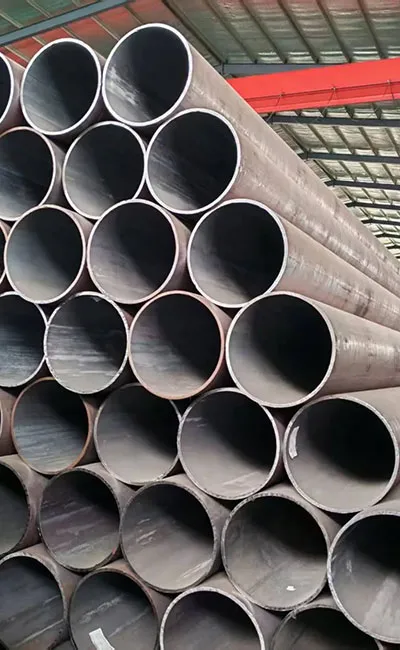
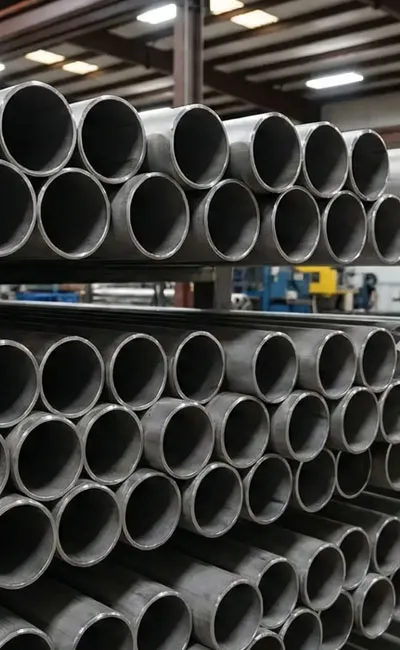
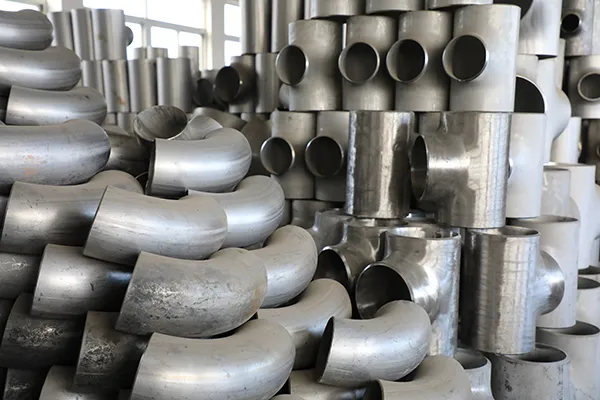
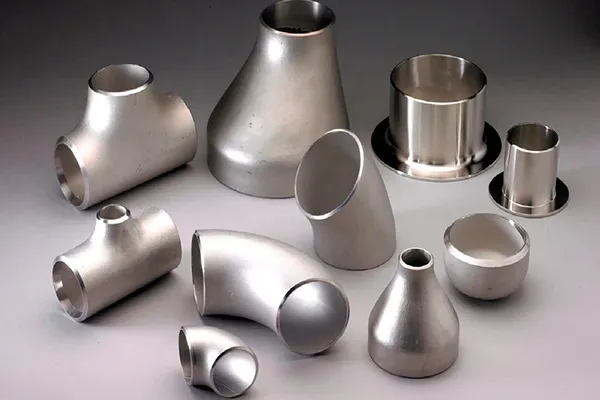
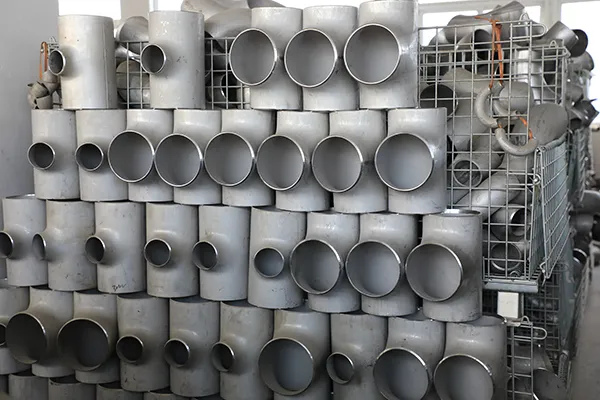
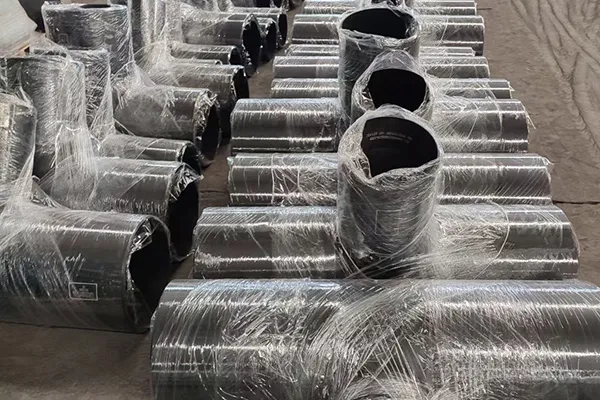
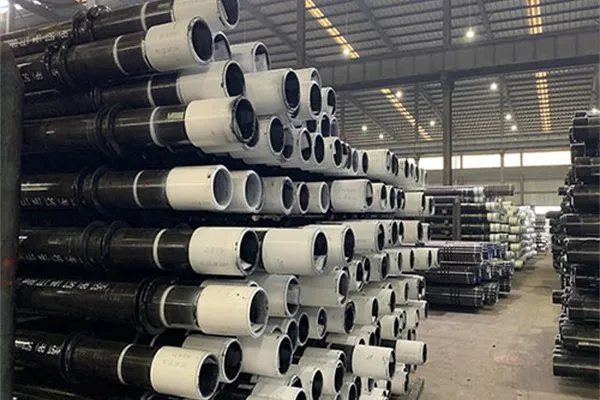
Carbon steel pipes (cs pipe) are made of carbon steel ingots or solid round steel through perforation into capillary tubes, and then made by hot rolling, cold rolling or cold drawing. Carbon steel pipe plays an important role in my country’s steel pipe industry.
2) What are the advantages and disadvantages of carbon steel pipes?
Advantage:
1. Carbon steel pipe can obtain higher hardness and better wear resistance after heat treatment.
2. The hardness of carbon steel pipe in the annealed state is very moderate, and it has good machinability.
3. The raw materials of carbon steel pipes are very common, easy to obtain, and the production cost is relatively low.
Disadvantage:
1. The hot hardness of carbon steel pipe will be poor, because when the working temperature of the tool is greater than 200 degrees, its hardness and wear resistance will drop sharply.
2. The hardenability of carbon steel is very low. The diameter of fully hardened steel is generally about 15-18 mm when it is water quenched, while the diameter or thickness of carbon steel is only about 6 mm when it is not quenched, so it will be easier to deform and crack.
3) What are the classifications of carbon steel materials?
1. According to the application, carbon steel can be divided into three categories: carbon structural steel, carbon tool steel and free-cutting structural steel.
2. According to the smelting method, carbon steel can be divided into three categories: open hearth furnace steel, converter steel and electric furnace steel.
3. According to the deoxidation method, carbon steel can be divided into boiling steel, killed steel, semi-killed steel and special killed steel, which are represented by codes F, Z, b, and TZ respectively.
4. According to the carbon content, carbon steel can be divided into three categories: low carbon steel, medium carbon steel and high carbon steel.
5. According to the content of sulfur and phosphorus, carbon steel can be divided into ordinary carbon steel (the content of phosphorus and sulfur will be higher), high-quality carbon steel (the content of phosphorus and sulfur will be lower), high-quality steel (containing phosphorus and sulfur low content) and super high-quality steel.
4) What are the classifications of carbon steel pipes?
Carbon steel pipes can be divided into seamless pipes, straight seam steel pipes, spiral pipes, high frequency welded steel pipes, etc.
Hot rolled seamless steel pipe (extruded): round tube billet → heating → piercing → three-roll cross rolling, continuous rolling or extrusion → stripping → sizing (or reducing) → cooling → straightening → hydraulic test (or Flaw detection) → marking → storage
Cold drawn (rolled) carbon steel seamless steel pipe: round tube blank→heating→piercing→heading→annealing→pickling→oiling (copper plating)→multi-pass cold drawing (cold rolling)→blank tube→heat treatment→straightening →Hydrostatic test (flaw detection)→Mark→Storage
Carbon steel seamless steel pipes are divided into two types: hot-rolled (extruded) seamless steel pipes and cold-drawn (rolled) seamless steel pipes due to their different manufacturing processes. Cold drawn (rolled) tubes are divided into two types: round tubes and special-shaped tubes.
Post time: Feb-23-2023










 English
 Español
 русский язык
 Português