Price List

Hunan Great Steel Pipe Co., Ltd
api tubing,carbon steel pipe,A335 alloy steel pipe

Alloy Seamless Pipe

Date: 2023-04-13
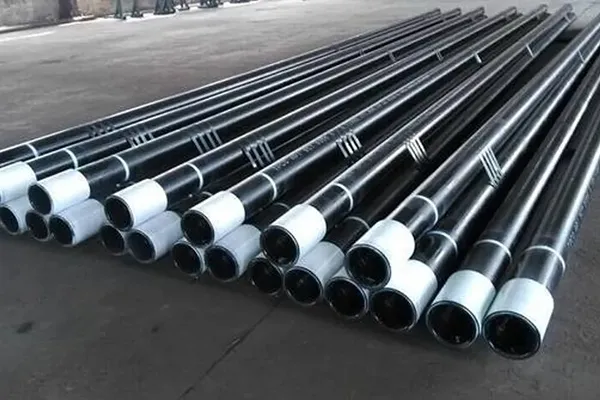
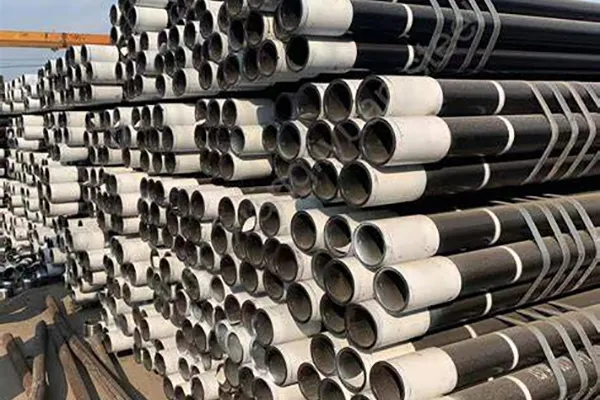
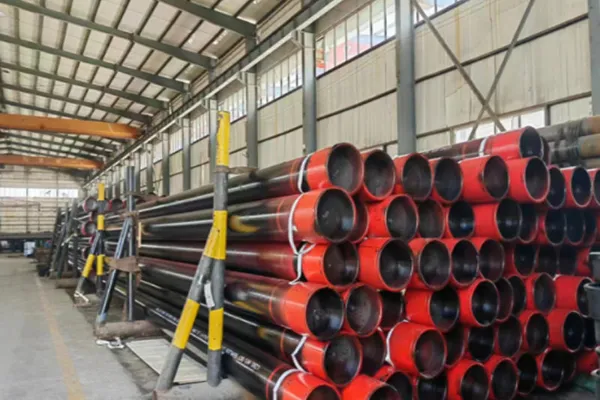
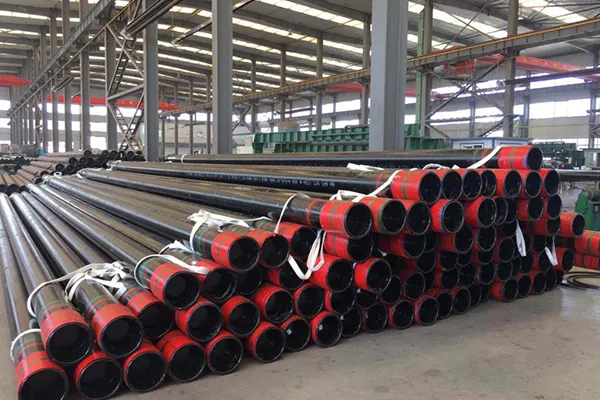
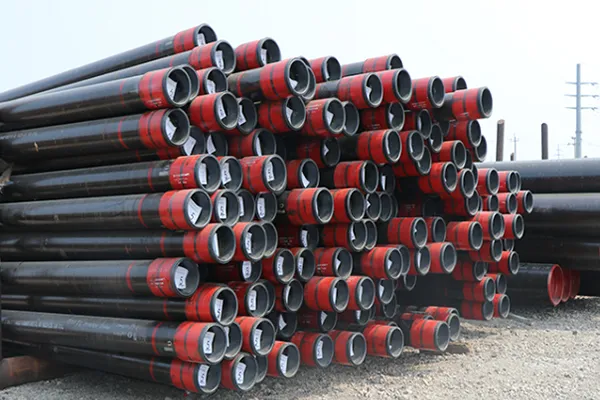
Alloy Seamless Pipe Description: Alloy pipe is a kind of seamless steel pipe, its performance is much higher than that of general seamless steel pipe, because this type of steel pipe contains more Cr, its high temperature resistance, low temperature resistance, corrosion resistance performance is much better than  other Steel pipe , so the alloy pipe is widely used in petroleum, aerospace, chemical, electric power, boiler, military and other industries. Size:Outside Diameter: 1/8” ~ 26”;Wall Thickness: SCH 30, 30, 40, 60, 80, 120, 140, 160, XS, XXS, STD; Length: Single Random, Double Random, Cut Length max to 23m Standard & Grade:ASTM A333, A335 P5/P9/P11/P22/P91, DIN 17175, JIS G3458 Ends: Plain End, Beveled End, Thread End Delivery:Within 30 days and Depends on your order quantity Payment:TT, LC , OA , D/P Packing:Bundled with Hemp Rope/In Bulk Related Order Item Introduction: 1. Product name: Alloy Seamless Pipe Specification: ASTM A519 4140Q&T 193.6ODx25.4WTx6.82m Quantity: 75MT Use:Tubes for mechanical equipment processing 2. Specification: DIN EN10209 20MnV6(168*21.5/152*26/168*29/127*11.5mm) Quantity: 120MT Use:Auger bit Post time: Apr-13-2023

Latest news list

  • oil casing corrosion,sour service casing,CO₂ corrosion in oil wells,H₂S material selection,oil well corrosion management,casing integrity
    Oil casing in corrosive well environments must meet both mechanical design requirements and the demands of the service environment,Carbon dioxide (CO₂),hydrogen sulfide (H₂S),chlorides,water chemistry and temperature can influence corrosion behavior and material suitability,Choosing a casing grade based on strength alone may leave important risks unaddressed,
  • how to choose oil casing,oil casing selection,oil casing buying guide,oil casing procurement,oil casing specifications
    Choosing the right oil casing requires more than matching a nominal diameter or selecting a higher-strength steel grade,Casing must meet the well design,expected mechanical loads,connection requirements and service environment,For drilling contractors,EPC procurement teams and international buyers,confirming these requirements before ordering helps reduce specification errors,delivery delays and costly changes during project execution,
  • oil casing failure signs,casing integrity problems,annular pressure monitoring,oil well casing damage,casing failure diagnosis,oil casing inspection
    Oil casing provides structural support and helps maintain well integrity throughout drilling and production,When casing or related well barriers deteriorate,the consequences may include leakage,operational interruptions and increased safety risks,However,casing damage is not always visible at the surface,and early warning signs do not necessarily confirm a failure,
  • oil casing quality control,oil casing inspection,oil casing testing,casing pipe quality requirements
    Oil casing quality must be verified against the requirements agreed for the order,including steel grade,dimensions,connections,inspection scope and documentation,Before shipment,buyers need to know not only whether the product has been inspected,but also whether the required tests are complete,the results meet the specified acceptance criteria,and the records correspond to the supplied materials,
  • casing damage during cementing,oil casing cementing,casing running problems,casing connection inspection,well casing integrity
    Casing damage during cementing can complicate well construction,delay subsequent operations and raise concerns about well integrity,Although cementing helps support the casing string and isolate formations,the operation involves mechanical loads,fluid pressure and coordination between drilling and cementing teams,

Find what you need ?

close
We use cookies and other tracking technologies to improve your browsing experience on our website, to show you personalized content and targeted ads, to analyze our website traffic, and to understand where our visitors are coming from.