Carbon steel tube vs Stainless steel tube material difference and application field analysis
Date: 2023-08-30
Carbon steel tube vs Stainless steel tube: material difference and application field analysis
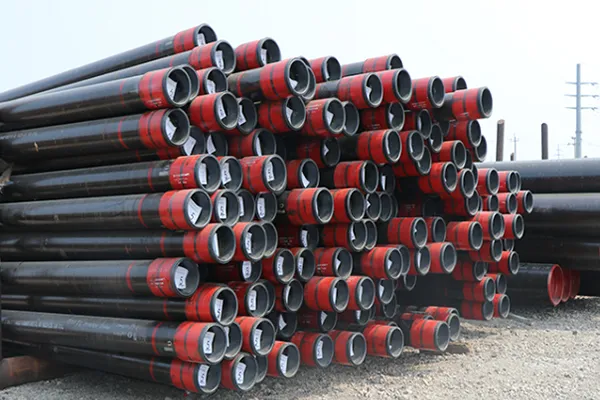
In daily life, carbon steel tube (cs tube) and stainless steel tube(ss tube) are one of the most commonly used piping products. Although they are both used to transport gases and liquids, their materials vary widely. This article will conduct a detailed analysis of the material differences and application fields of carbon steel tubes and stainless steel tubes from four aspects.
1. Chemical composition
The main components of carbon steel tube are carbon and iron, containing 1.5% carbon. The main components of stainless steel tubes are iron, chromium, nickel and a small amount of carbon. Therefore, stainless steel tubes not only have the mechanical properties of ordinary steel, but also have good corrosion resistance.
Due to the difference in their chemical composition, carbon steel tubes have higher strength and hardness, while stainless steel tubes have better corrosion resistance. Therefore, their performance differences are obvious in their respective field-specific applications.
2. Cost and maintainability
Stainless steel tubes are more expensive than carbon steel tubes. From a cost and maintainability point of view, carbon steel pipes have a cost advantage over stainless steel tubes because their raw materials and manufacturing costs are lower than stainless steel tubes. In addition, carbon steel tubes are also easier to maintain and replace due to lower repair costs and ease of machining.
Stainless steel tube is more difficult to machine and repair, so it is more expensive to manufacture and repair than carbon steel tube. In addition, the differences between different types of stainless steel tubes are also large, and the selection and installation of stainless steel tubes need to be considered more carefully.
3. Mechanical properties
In terms of mechanical properties, there are also certain differences between carbon steel tubes and stainless steel tubes. Carbon steel tubes have higher strength and hardness, so they are better suited than stainless steel tubes for applications in high pressure and high temperature environments. Stainless steel tubes are weaker in terms of strength and hardness, but are more ductile and corrosion-resistant than carbon steel tubes.
In addition, stainless steel tubes are more ductile than carbon steel tubes in terms of mechanical deformation such as bending and twisting, so they are used more in the aviation and aerospace fields and in the chemical industry due to their better corrosion resistance in extreme environments.
4. Application field
Carbon steel tubes are usually used in the following scenarios:
Conveying high temperature and high pressure fluids
As a load-bearing member of a building
As the skeleton of steel structures and cars
Ventilation ducts for buildings and ducts for air handling systems
Stainless steel tubes are usually more widely used in the following scenarios:
Chemical Industry
Pharmaceutical Industry
marine industry
food processing industry
This is because stainless steel tubes have better corrosion resistance and toughness, and can withstand harsher environments.
5. Conclusion:
To sum up, there are certain differences between carbon steel tubes and stainless steel tubes in terms of material, cost, mechanical properties and application fields. Therefore, we should choose the most suitable pipeline product according to the specific application scenario. Of course, when choosing pipeline products, we should not only consider our own needs, but also pay attention to factors such as corrosion and pressure that pipeline products may face, so as to ensure the safety and long-term use of pipelines.
Post time: Aug-30-2023










 English
 Español
 русский язык
 Português












