Characteristics of L245N straight seam steel pipes commonly used in industrial projects
Date: 2025-05-21
Characteristics of L245N straight seam steel pipes commonly used in industrial projects
1. Corrosion resistance of L245N straight seam steel pipes
General corrosive environment: L245N steel pipes contain an appropriate amount of alloying elements, which make them have certain corrosion resistance in general atmospheric and soil environments. In the air, a thin oxide film will form on the surface of the steel pipe, which can protect the steel pipe to a certain extent and slow down the further oxidation process. In the soil environment, its corrosion resistance can also prevent the steel pipe from being damaged by erosion by moisture, salt, and other substances in the soil. However, in high-salt, high-humidity, or strongly acidic or alkaline soil environments, additional anti-corrosion measures may be required.
Specific medium corrosion conditions: When used to transport media such as oil and natural gas, L245N steel pipes can better resist corrosion from the media because these media themselves are usually not very corrosive. However, if the medium contains corrosive components such as hydrogen sulfide (H₂S) and carbon dioxide (CO₂), the steel pipe may corrode. For example, hydrogen sulfide can cause hydrogen embrittlement and sulfide stress corrosion cracking (SSCC) in steel pipes, so in this case, special internal anti-corrosion treatment is required for the steel pipe, such as the use of corrosion-resistant coatings or corrosion inhibitors.
2. Oxidation resistance of L245N straight seam steel pipe
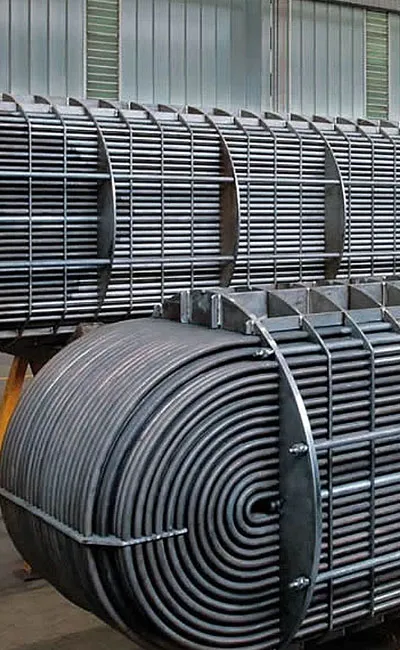
L245N steel pipe has good oxidation resistance within a certain temperature range. Under normal ambient temperature and working temperature (generally not exceeding 100°C, when used to transport normal temperature fluids), the oxide film on the surface of the steel pipe can effectively prevent further reaction between oxygen and the metal inside the steel pipe. However, as the temperature rises, the oxidation reaction rate will accelerate. If the steel pipe is used in a high temperature environment (such as heat exchange pipes in certain chemical processes), its oxidation resistance may be affected, and it is necessary to consider the use of oxidation-resistant coatings or the selection of more high-temperature resistant pipes.
3. The influence of the chemical composition of L245N straight seam steel pipe on chemical properties
Carbon element: The carbon content generally does not exceed 0.26%. An appropriate amount of carbon can increase the strength of the steel pipe, but too high a carbon content will reduce the toughness and corrosion resistance of the steel pipe. High carbon content will make it easier for steel pipes to form micro-batteries in a corrosive environment, accelerating the corrosion process, and will also make the welding performance of steel pipes worse, and the welding parts will be more prone to corrosion problems.
Manganese element: The manganese content is about 1.15%. Manganese is a beneficial alloying element that not only improves the strength and toughness of steel pipes but also enhances the corrosion resistance of steel pipes to a certain extent. Manganese can form manganese sulfide (MnS) with sulfur in steel pipes, reducing the harmful effects of sulfur on the toughness and corrosion resistance of steel pipes. At the same time, manganese sulfide can also serve as a protective film to slow down the corrosion process.
Silicon element: The silicon content is between 0.30% and 0.40%. Silicon is an effective deoxidizer that can improve the purity of steel and reduce the oxygen content in steel pipes, thereby indirectly improving the corrosion resistance of steel pipes. At the same time, silicon can also form a silicon-containing oxide film on the surface of the steel pipe. This oxide film is relatively stable and helps to improve the oxidation resistance of the steel pipe.
Phosphorus and sulfur elements: The content of phosphorus and sulfur is strictly controlled, and the sulfur content does not exceed 0.015%, and the phosphorus content does not exceed 0.025%. Sulfur is a harmful element. It will form a low-melting point eutectic in the steel pipe, reducing the hot working performance and toughness of the steel pipe, and it is easy to form corrosion channels at the grain boundaries, accelerating the corrosion of the steel pipe. Phosphorus will also reduce the toughness and weldability of the steel pipe. At the same time, phosphorus is easy to segregate in the steel pipe, resulting in local performance deterioration and increased corrosion sensitivity.
Post time: May-21-2025










 English
 Español
 русский язык
 Português