DIFFERENCE BETWEEN TUBE AND PIPE
Date: 2022-05-26
DIFFERENCE BETWEEN TUBE AND PIPE
Is It a Pipe or a Tube?
In some instances the terms may be used interchangeably, however there is one key difference between tube and pipe, particularly in how the material is ordered and toleranced. Tubing is used in structural applications so the outside diameter becomes the important dimension. Tubes are often put into applications such as medical devices that require precise outside diameters. The outside diameter is important since it will indicate how much it can hold as a stability factor. Whereas pipes are normally used to transport gasses or liquids making it important to know the capacity. Knowing how much can flow through the pipe is key. The circular shape of the pipe make it efficient when handling pressure from the liquid flowing through.
Classification
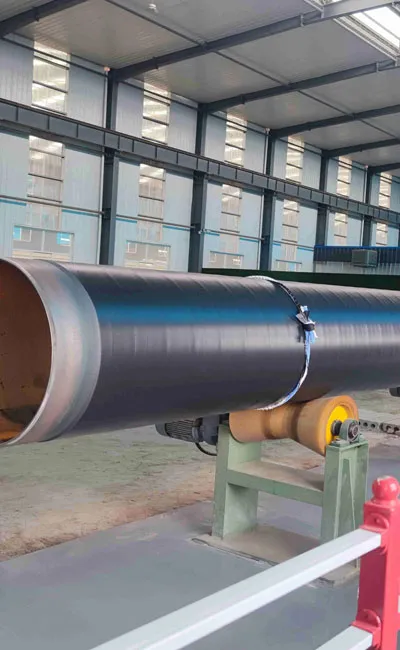
The classification of pipes are schedule and nominal diameter. Pipe is typically ordered using the Nominal Pipe Size (NPS) standard and by specifying a nominal diameter (pipe size) and schedule number (wall thickness). The schedule number can be the same on different size pipe but the actual wall thickness will be different.
Tubes are typically ordered to outside diameter and wall thickness; however, it may also be ordered as OD & ID or ID and Wall Thickness. The strength of a tube depends on the wall thickness. The thickness of a tube is defined by a gauge number. Smaller gauge numbers indicate larger outside diameters. The inside diameter (ID) is theoretical. Tubes can come in different shapes such as square, rectangular and cylindrical, whereas piping is always round. The circular shape of the pipe makes the pressure force evenly distributed. Pipes accommodate larger applications with sizes that range from a ½ inch to several feet. Tubing is generally used inapplications where smaller diameters are required.
Ordering Your Tubing or Pipe
Tubing is typically ordered to outside diameter and wall thickness; however, it may also be ordered as OD & ID or ID and Wall Thickness. Although tubing has three dimensions (O.D., I.D. and wall thickness) only two may be specified with tolerances and the third is theoretical. Tubing is usually ordered and held to tighter and more stringent tolerances and specifications than pipe. Pipe is typically ordered using the Nominal Pipe Size (NPS) standard and by specifying a nominal diameter (pipe size) and schedule number (wall thickness). Both tubes and pipes can be cut, bent, flared and fabricated.
Characteristics
There are a few key characteristics that separate tube from pipe:
Shape
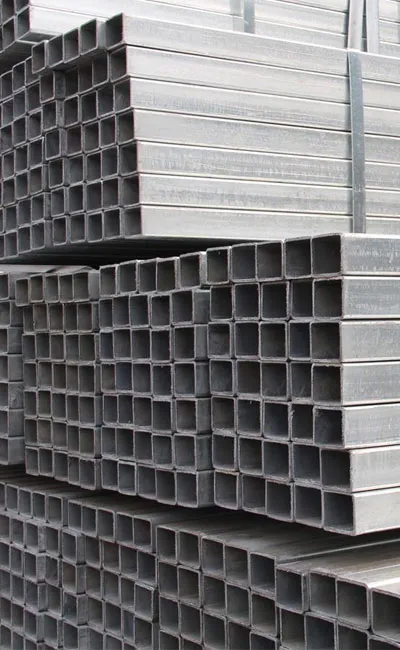
Pipe is always round. Tubes can be square, rectangular, and round.
Measurement
Tube is typically ordered outside diameter and wall thickness. Tubing is usually held to tighter and more stringent tolerances and specifications than pipe. Pipe is typically ordered using nominal pipe size (NPS) standard and by specifying the nominal diameter (pipe size) and schedule number (wall thickness)
Telescoping Abilities
Tubes can be telescoped. Telescoping tubes are perfect for applications different pieces of material to sleeve or expand inside one another.
Rigidity
Pipe is rigid and cannot be shaped without special equipment. With the exception of copper and brass, tubes can be shaped with some effort. Bending and coiling tubing can be done without excessive distortion, wrinkling or fracturing.
Applications
Tubes are used in applications such as medical devices that require a precise outside diameter. The outside diameter is important since it will indicate how much it can hold as a stability factor. Pipes are used for transporting gasses or liquids making it important to know the capacity. The circular shape of the pipe makes it efficient when handling pressure from the liquid flowing through.
Metal Types
Tubes are cold rolled and hot rolled. Pipe is only hot rolled. Both can be galvanized.
Size
Pipes accommodate larger applications. Tubing is generally used where small diameters are required.
Strength
Tubes are stronger than pipe. Tubes perform better in applications that require durability and strength.
Contact the Experts at Hunan Great
For over 29 years, Hunan Great has earned a reputation as a world-class tubing and parts supplier, proudly serving industrial, energy, medical, and aerospace industries across the globe. If you’re interested in requesting a product quote, please click below to get started!
Post time: May-26-2022










 English
 Español
 русский язык
 Português