Detailed explanation and application exploration of No. 20 alloy steel pipe specifications
Date: 2024-07-25
Detailed explanation and application exploration of No. 20 alloy steel pipe specifications
In the vast ocean of the steel industry, No. 20 alloy steel pipe has become an indispensable and important role with its unique material properties and wide application fields.
First, the specification overview of No. 20 alloy steel pipe
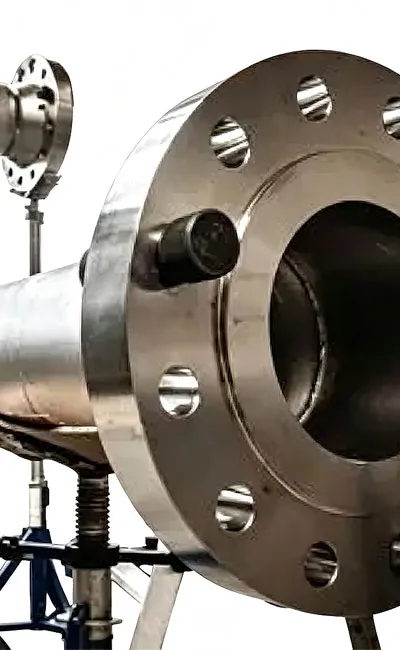
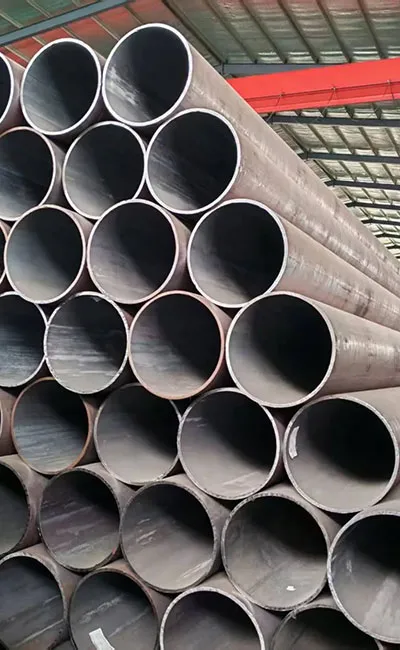
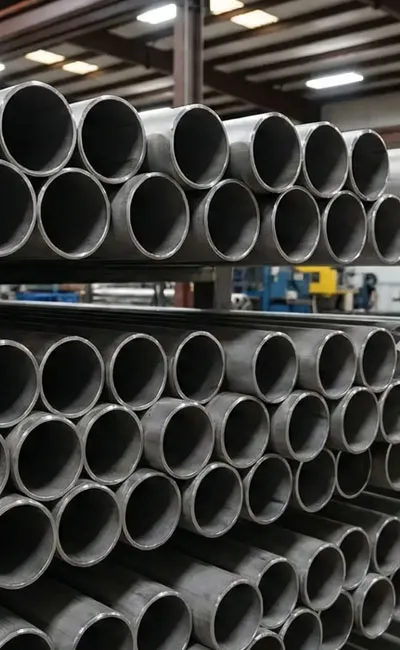
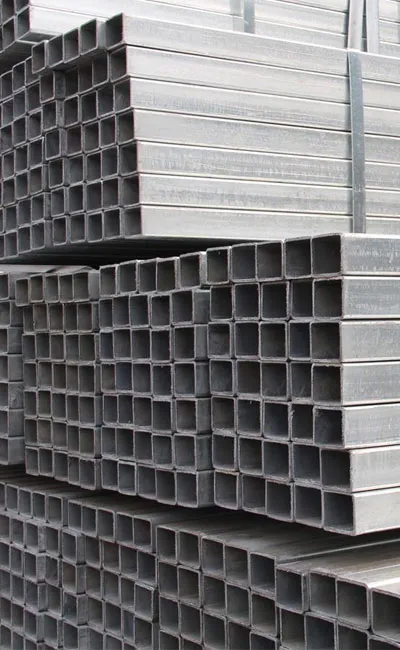
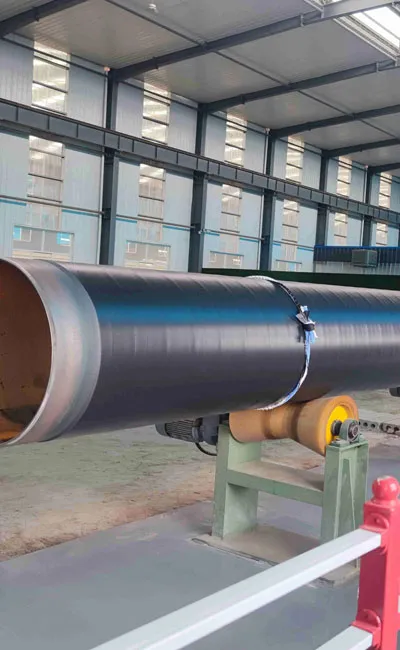
As the name suggests, No. 20 alloy steel pipe is a steel pipe made of No. 20 steel as the base material and adds a certain proportion of alloy elements. Its specifications are diverse, and different standards are available from outer diameter, and wall thickness to length. Common outer diameter specifications are Φ15-630mm, wall thickness ranges from 1.5mm to tens of millimeters, and length is mostly fixed length or multiple lengths. The diversity of these specifications enables No. 20 alloy steel pipe to meet the needs of different fields and scenarios.
Second, the material characteristics and performance advantages of No. 20 alloy steel pipe
The reason why No. 20 alloy steel pipe is so popular is inseparable from its excellent material characteristics and performance advantages. First of all, No. 20 steel, as a basic material, has good strength and toughness, which makes the alloy steel pipe perform well when subjected to external forces such as pressure and impact. Secondly, by adding alloy elements, the corrosion resistance and high-temperature resistance of steel pipes have been significantly improved, making them suitable for more demanding working environments. In addition, No. 20 alloy steel pipes also have good weldability and processability, which facilitates later installation and maintenance.
Third, application fields and case analysis of No. 20 alloy steel pipes
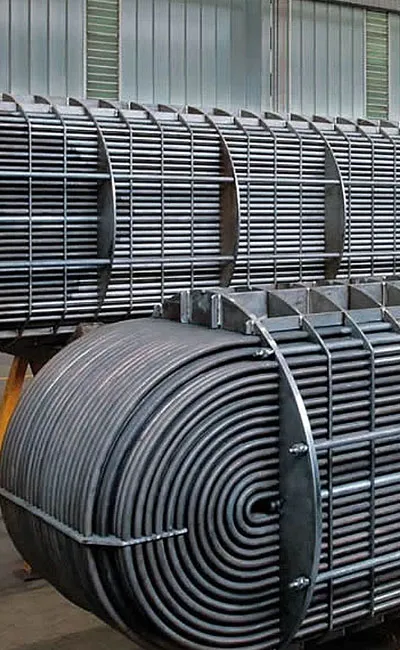
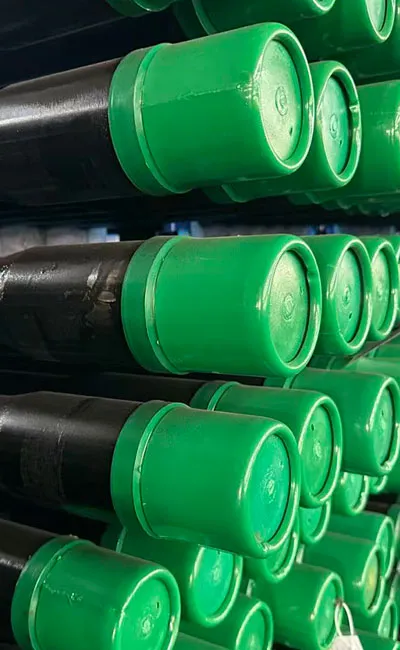
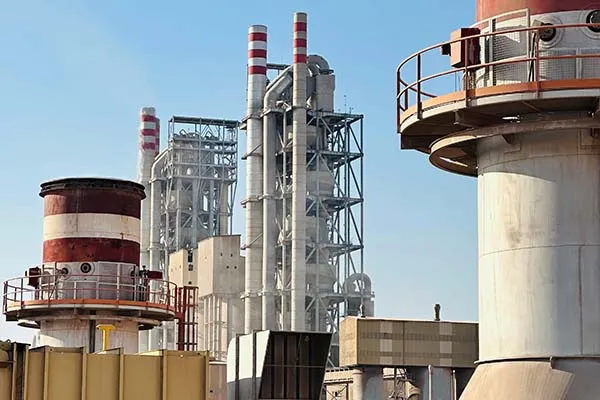
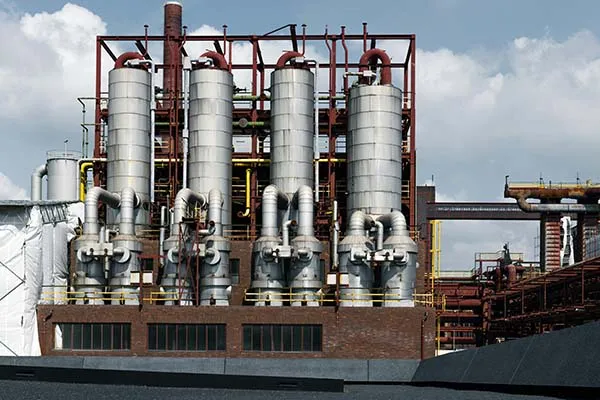
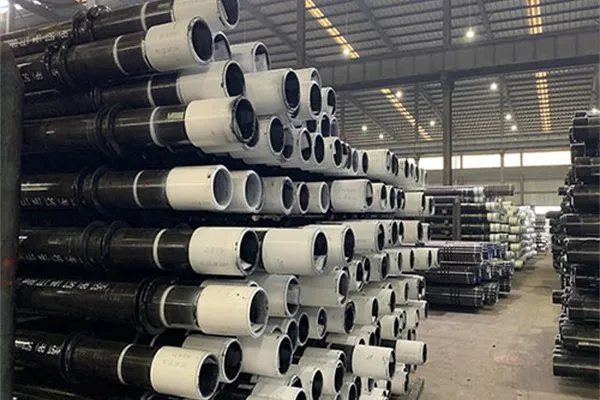
No. 20 alloy steel pipes are widely used in many fields such as petroleum, chemical industry, electric power, and machinery. In the petroleum industry, it is often used as key components such as oil pipelines and oil well casings, and is subjected to high pressure and high-temperature tests; in the chemical industry, its corrosion resistance makes it an ideal choice for chemical equipment and pipelines; in the power industry, No. 20 alloy steel pipes are used to manufacture key equipment such as boiler pipes and steam pipes to ensure the stable operation of the power system.
Fourth, the purchase and installation suggestions for No. 20 alloy steel pipes
When purchasing No. 20 alloy steel pipes, consumers should pay attention to their quality certification documents and logos to ensure that the purchased steel pipes meet relevant standards and specifications. At the same time, the appropriate specifications and lengths should be selected according to actual needs to avoid waste and unnecessary cost expenditures. During the installation process, relevant operating procedures should be followed to ensure that the steel pipe is tightly and firmly connected to prevent leakage or safety accidents caused by improper installation. In addition, for long-term use of No. 20 alloy steel pipes, regular inspections and maintenance should be carried out to promptly discover and deal with potential safety hazards. During the maintenance process, measures such as applying anti-corrosion paint and replacing damaged parts can be adopted to extend the service life of the steel pipe.
Fifth, the future development trend and outlook of No. 20 alloy steel pipes
With the continuous advancement of science and technology and the continuous expansion of the industrial field, No. 20 alloy steel pipes will face broader application prospects and higher requirements. In the future, the steel pipe industry will continue to develop new alloy materials and improve the performance indicators of steel pipes to meet the needs of more stringent working environments. At the same time, with the improvement of environmental awareness, green and environmentally friendly manufacturing processes and materials will become an important direction for the development of the industry.
In short, No. 20 alloy steel pipes have become a shining pearl in the steel industry with their unique material properties and wide application fields. By deeply understanding its specification characteristics, performance advantages, and application cases, we can better understand this product and maximize its value in practical applications. In the future development, No. 20 alloy steel pipe will continue to play an important role and contribute to the progress in various fields.
Post time: Jul-25-2024










 English
 Español
 русский язык
 Português