Difference between hot rolled and cold formed steel
Date: 2019-09-11
Difference between hot rolled and cold formed steel
Hot rolled steel
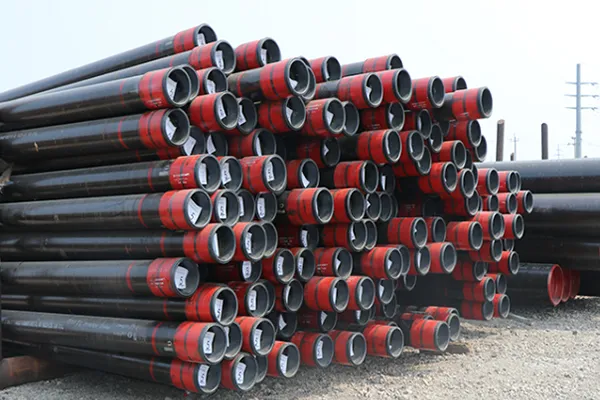
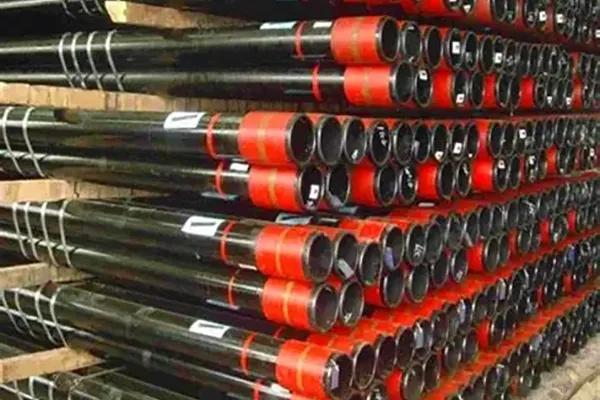
Hot-rolled is with continuous casting slab or blooming slab as raw material, after reheating furnace heating, high pressure water descaling into roughing mill, roughing material by the cutting head, tail, and then enter the finishing mill, the implementation of a computer-controlled rolling made the final rolling after coiling after the laminar cooling (computer-controlled cooling rate) and the coiler, straight hair volume. Straight hair the volume of the head, the tail is often poor, was a tongue-and fishtail, thickness, width, precision the edge often there is a wave-shaped, folding, pyramid defects. Coil weight heavier coil diameter of 760mm. (Normal pipe industry prefer to use.) Straight hair volume by the cutting head, tail cutting, trimming, and multi-pass straightening flat finishing line treatment, a cutting board or heavy volume, that is, to become: hot-rolled steel plate, flat hot-rolled steel coils, slitting with other products. Serve hot finishing volume descaled, pickled and oiled hot-rolled pickled coils.
Cold formed steel
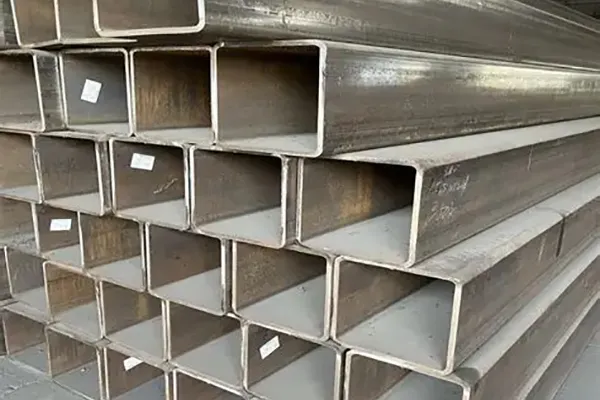
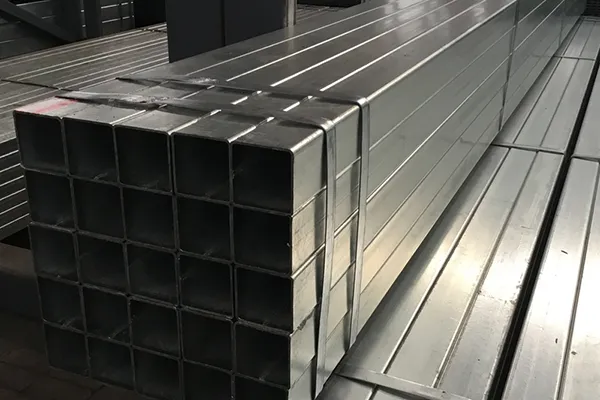
Cold formed is as raw material, after oxide removal by pickling tandem cold formed finished rolling hard roll, work hardening due to the volume of the rolling hard due to the continuous cold deformation strength, hardness rise, tough Plastic indicators declined, stamping performance will deteriorate, and can only be used for simple deformation of the parts. Rolling hard roll can be used as the raw material of the hot-dip galvanizing plant, hot dip galvanizing line set annealing line. Rolling hard roll weight is generally 6 to 13.5 tons, the coil diameter of 610mm. The general cold strip mills, volume should go through continuous annealing (CAPL unit) to eliminate cold hardening and rolling stress, or batch annealing reach the mechanical properties of the corresponding standard specifies. The cold-formed steel sheet surface quality, appearance, dimensional accuracy superior to the hot-rolled sheet, and right rolling thin product thickness to about 0.18mm.
Difference between hot-rolled and cold-formed:
1, cold formed steel to allow cross-section a local buckling, which can make full use of the rod buckling bearing capacity;-section hot rolled steel does not allow local buckling occurs.
2, the residual stress of the hot-rolled steel and cold-formed steel produced by different reasons, so the distribution of the cross section is also very different. The residual stress distribution in the cross section of cold-formed steel bending, residual stress distribution in the hot rolling steel or welded steel cross-section is a film type.
3 free torsional stiffness of hot-rolled steel, cold-formed steel, the torsional properties of hot-rolled steel is better than cold-formed steel.
Post time: Sep-11-2019










 English
 Español
 русский язык
 Português












