Industry News

Hunan Great Steel Pipe Co., Ltd
oil pipe,drill pipe,erw steel tube,coated pipe

Galvanized steel size SC and the difference DN

Date: 2021-04-02
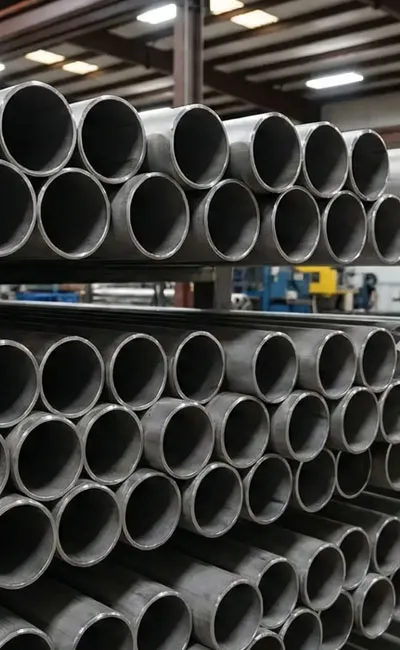
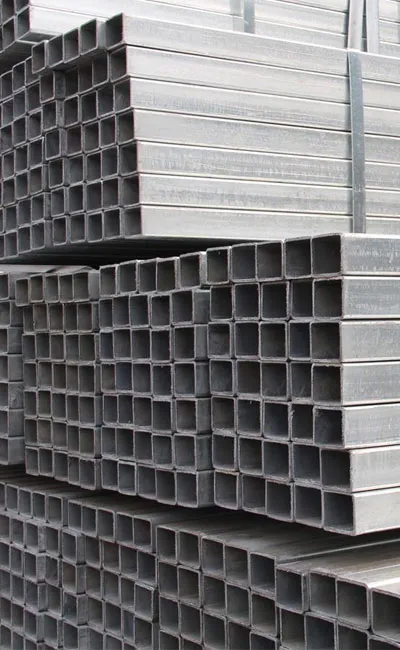
Galvanized steel size SC and the difference DN The difference between the size of SC and DN of galvanized steel pipe: 1.SC generally refers to the welded steel pipe , the language STEEL CONDUIT, is a shorthand for the material. 2. DN refers to the nominal diameter of the galvanized steel pipe , which is the pipe diameter indication of the pipe. 3. Galvanized steel pipes are divided into cold-galvanized steel pipes and hot-dip galvanized steel pipes. Cold-galvanized steel pipes have been banned, and the latter has been promoted by the state for temporary use. In the 1960s and 1970s, developed countries in the world began to develop new types of pipes and banned galvanized pipes. The Ministry of Construction and other four ministries and commissions also issued a document clarifying that the galvanized pipe will be banned as a water supply pipe from 2000. The galvanized pipe is rarely used in the cold water pipes of the new residential area. The hot water pipes in some communities use galvanized pipes. Hot-dip galvanized steel pipes are widely used in fire protection, electric power and highways. Expanding information: Performance impact (1) Carbon; the higher the carbon content, the higher the hardness of the steel, but the worse its plasticity and toughness. (2) Sulfur; it is a harmful impurity in steel. When steel with high sulfur content is subjected to pressure processing at high temperature, it is easy to be brittle and is usually called hot brittleness. (3) Phosphorus; can significantly reduce the plasticity and toughness of steel, especially at low temperatures, this phenomenon is called cold brittleness. In high quality steel, sulfur and phosphorus should be strictly controlled. However, from another point of view, the inclusion of higher sulfur and phosphorus in low carbon steel can make it easy to cut, which is beneficial to improve the machinability of steel. (4) Manganese; can improve the strength of steel, can weaken and eliminate the adverse effects of sulfur, and can improve the hardenability of steel. High alloy steel (high manganese steel) with high manganese content has good wear resistance. And other physical properties. (5) Silicon; it can increase the hardness of steel, but the plasticity and toughness decrease. The steel used in electrical engineering contains a certain amount of silicon, which can improve the soft magnetic properties. (6) Tungsten; can improve the red hardness and heat strength of steel, and can improve the wear resistance of steel. (7) Chromium; can improve the hardenability and wear resistance of steel, and can improve the corrosion resistance and oxidation resistance of steel. For general corrosion resistance, general steel pipes (black pipes) are galvanized. Galvanized steel pipes are divided into hot-dip galvanizing and electric steel zinc. The hot-dip galvanizing galvanized layer is thick, and the cost of electro-galvanizing is low, so there is a galvanized steel pipe. Post time: Apr-02-2021

Latest news list

  • stainless seamless steel pipe,high temperature stainless steel pipe,stainless steel pipe selection
    High-temperature piping requires more than simply selecting a stainless steel grade,As temperature increases,material strength,corrosion behavior,thermal expansion,pressure resistance,and long-term stability become increasingly important,For this reason,stainless seamless steel pipe should be selected against the complete service condition rather than temperature alone,
  • stainless seamless steel pipe,stainless seamless steel pipe manufacturing,stainless steel pipe quality control
    Stainless seamless steel pipe is used in chemical processing,oil and gas,power generation,water treatment,food processing,and other applications where material performance and pressure integrity matter,But a finished pipe does not become reliable simply because it is made from stainless steel,Its quality is built through material control,forming,heat treatment,dimensional control,inspection,and traceability,Understanding how stainless seamless steel pipe is manufactured gives engineers and technical buyers a better way to evaluate suppliers beyond price,surface appearance,or a product catalogue,
  • LSAW steel pipe maintenance,LSAW pipe maintenance,LSAW steel pipe inspection,LSAW pipeline maintenance
    Installing a properly specified LSAW steel pipe does not eliminate the need for pipeline maintenance,Once a pipeline enters service,corrosion,coating deterioration,mechanical loading,ground movement,operating changes,and environmental exposure can gradually affect its condition,For large-diameter pipelines,a practical maintenance program should focus on identifying changes early and taking corrective action before a manageable condition develops into an integrity problem,The objective is not simply to inspect the pipe,It is to understand the condition of the complete pipeline system and respond based on evidence,
  • LSAW steel pipe,LSAW steel pipe for high pressure,high-pressure pipeline,LSAW pipe wall thickness
    High-pressure pipeline systems place demanding requirements on pipe material,dimensions,weld integrity,inspection,and operating conditions,For large-diameter pipelines,LSAW steel pipe can be an effective solution because its manufacturing process allows large outside diameters and substantial wall thicknesses to be produced from steel plate,However,selecting LSAW steel pipe for pressure service is not simply a matter of choosing a thicker wall,The pipe specification needs to match the actual design pressure,temperature,fluid,diameter,applicable code,and service environment,
  • LSAW steel pipe corrosion,LSAW steel pipe coating,3PE coated LSAW steel pipe,FBE coated steel pipe
    LSAW steel pipe is widely used for large-diameter water transmission,buried pipelines,and other infrastructure projects where strength,dimensional control,and long-term service reliability are important,However,pipe strength alone does not prevent corrosion,For buried or water pipeline systems,corrosion protection should be considered from material selection and coating through transportation,field welding,installation,and long-term inspection,A coating system should also be selected according to the actual operating environment rather than simply by initial cost,

Find what you need ?

close
We use cookies and other tracking technologies to improve your browsing experience on our website, to show you personalized content and targeted ads, to analyze our website traffic, and to understand where our visitors are coming from.