Product News

Hunan Great Steel Pipe Co., Ltd
seamless pipe,api casing and tubing,ERW steel pipe supplier

How to Unblock the Gathering and Transportation Wax Condensation Buried Oil Pipeline in Winter

Date: 2021-06-16
How to Unblock the Gathering and Transportation Wax Condensation Buried Oil Pipeline in Winter The hot water sweeping method can be used to remove the blockage: 1. Use a 500 or 400 pump truck, 60 cubic meters of hot water at about 70 degrees Celsius (depending on the pipeline volume). 2. Connect the wire sweeping pipeline to the wire sweeping head. The pipeline should be firmly connected, fixed and pressure tested. 3. Pump water into the pipeline with a small displacement first, observe the pump pressure, maintain a stable pump pressure, and continue to pump water. 4. If the pump pressure is stable and does not rise, the displacement can be increased gradually. Continuously pump water and slowly dissolve the wax and dead oil in the pipeline. 5. The temperature at the end of admission. If the temperature at the endpoint rises, the pipeline is open. It can increase the displacement of the pump truck and quickly pump water into the pipeline to wash away the dissolved wax or dead oil. 6. After all the pipelines have been swept through, stop pumping water, vent, and remove the sweeping pipelines. Switch back to the original process. Note: During operation, the initial displacement should not be too large. If it is too large, it will easily block the pipeline. The displacement should be gradually increased. The amount of water used depends on the length and volume of the pipeline. If the pipeline is severely clogged, it cannot be swept with hot water. It is necessary to use the method of segmented block removal. It is necessary to “open skylights” on the pipeline in sections, weld the wire sweeping head, and perform hot water sweeping to remove the blockage. How to Unblock the Gathering and Transportation Wax Condensation Buried Oil Pipeline in Winter Post time: Jun-16-2021

Latest news list

  • casing damage during cementing,oil casing cementing,casing running problems,casing connection inspection,well casing integrity
    Casing damage during cementing can complicate well construction,delay subsequent operations and raise concerns about well integrity,Although cementing helps support the casing string and isolate formations,the operation involves mechanical loads,fluid pressure and coordination between drilling and cementing teams,
  • oil casing manufacturing,API casing production process,oil casing quality control,oil casing threading,API casing inspection
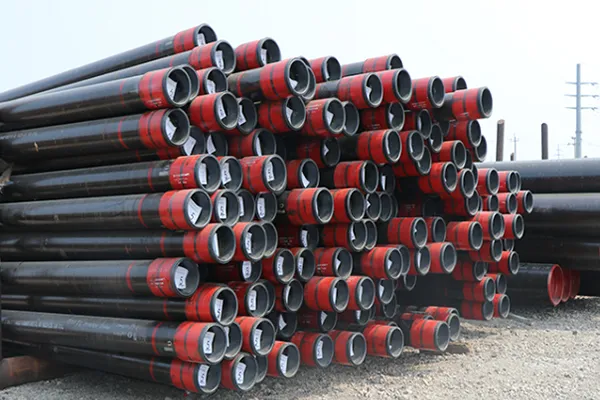
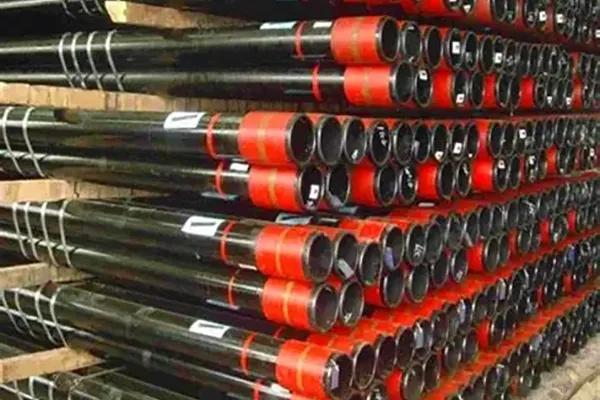
    Oil casing is a critical component of an oil or gas well,Installed inside the wellbore,it supports the well structure and provides a barrier that can be cemented in place to isolate formations,Its performance depends on material properties,dimensional accuracy,connection integrity and compliance with the applicable product specification,For drilling contractors,project engineers and procurement teams,understanding the oil casing manufacturing process helps clarify which production stages and inspection records matter when evaluating a supplier,
  • hollow section inspection,hollow section maintenance,hollow section corrosion,steel structure maintenance
    Steel hollow sections are widely used in buildings,industrial facilities,canopies and other structural applications,Once installed,their condition can change due to weather exposure,coating damage,impact,water accumulation or changes in service conditions,
  • hollow section supply for overseas construction projects,hollow section supplier,square hollow sections,rectangular hollow sections,hollow section export
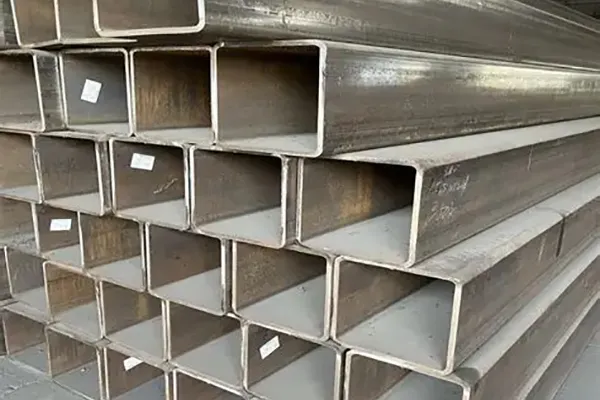
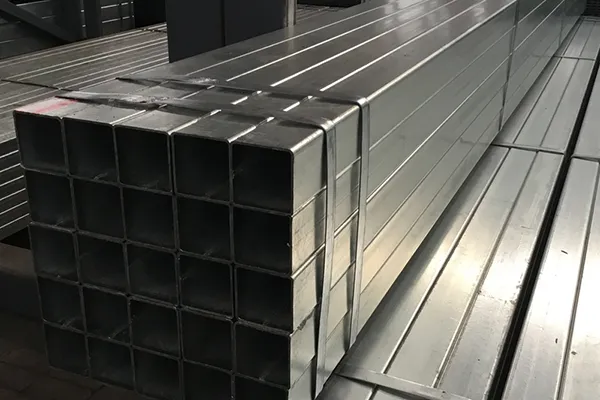
    International hollow section orders involve more than supplying square or rectangular steel tubes,For overseas construction projects,buyers also need to consider specification compliance,supply coordination,inspection,export documentation,packing and delivery schedules,
  • hollow section service life,hollow section maintenance,hollow section durability,hollow section corrosion control,steel structure
    The service life of square and rectangular hollow section steel structures depends on more than the original steel grade,Environmental exposure,corrosion protection,fabrication quality,loading conditions,and maintenance all influence long-term performance,For building owners,project engineers and maintenance teams,extending service life starts with understanding how these factors interact,Addressing deterioration early can help reduce repair costs,avoid unnecessary downtime and maintain the intended performance of the structure,

Find what you need ?

close
We use cookies and other tracking technologies to improve your browsing experience on our website, to show you personalized content and targeted ads, to analyze our website traffic, and to understand where our visitors are coming from.