How to correctly inspect the quality of stainless steel pipes
Date: 2025-03-13
How to correctly inspect the quality of stainless steel pipes
As an important building material, stainless steel pipes are widely used in various industries. In order to ensure the quality and safety performance of stainless steel pipes, the correct inspection method is crucial.
First, the appearance inspection of stainless steel pipes
The appearance inspection is the most basic inspection work. By visually inspecting the surface of the stainless steel pipe, we can preliminarily judge whether its quality is qualified. In the appearance inspection, we should pay attention to the following aspects:
1. Surface finish: The surface of a qualified stainless steel pipe should be smooth and flat, without obvious bumps, cracks, and scratches. If there are rust spots or oxides on the surface, it may be a signal of unqualified.
2. Dimensional deviation: The outer diameter, wall thickness and length of the stainless steel pipe are all important parameters that need to be checked. By using tools such as measuring tools or micrometers, the size of the stainless steel pipe can be accurately measured and compared with the standard.
3. Surface defects: Check whether there are obvious defects such as dents, cracks, bubbles, etc. on the surface of the stainless steel pipe. These defects may affect the service life and safety performance of the stainless steel pipe.
Second, chemical composition analysis of stainless steel pipes
Chemical composition analysis is one of the important methods to evaluate the quality of stainless steel pipes. Stainless steel pipes of different brands and specifications have different chemical composition requirements. The accuracy of the chemical composition can determine whether the stainless steel pipe meets the standard requirements. Common chemical composition analysis methods include spectral analysis, wet analysis, and electrochemical analysis.
Third, mechanical properties test of stainless steel pipes
Mechanical properties test is one of the important means to evaluate the quality of stainless steel pipes. Common mechanical performance indicators include tensile strength, yield strength, elongation, etc. By conducting tensile and compression tests on standard test equipment, the mechanical performance parameters of stainless steel pipes can be obtained and compared with standard requirements.
Fourth, non-destructive testing of stainless steel pipes
Non-destructive testing is a method that can evaluate the quality of stainless steel pipes without destroying them. Common non-destructive testing methods include ultrasonic testing, radiographic testing, and eddy current testing. These methods can detect internal defects, cracks, and other problems in stainless steel pipes, which are very important for ensuring the quality and safety performance of stainless steel pipes.
Fifth, other precautions
In addition to the above main inspection methods, there are some other precautions that we need to pay attention to when inspecting stainless steel pipes:
1. Pay attention to checking the identification and quality certification documents of stainless steel pipes to ensure that the manufacturer and product quality standards of stainless steel pipes meet the requirements.
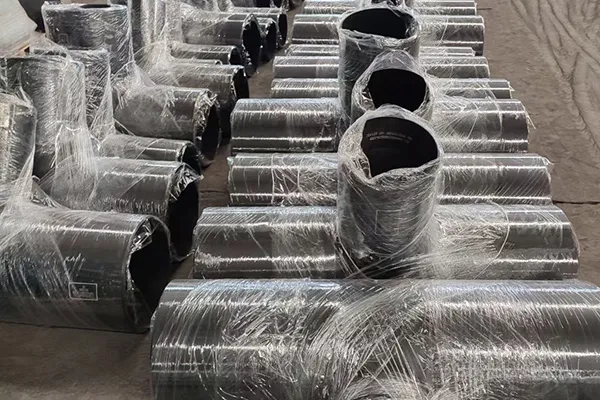
2. Pay attention to checking the packaging and transportation of stainless steel pipes to avoid collision and damage during transportation.
3. Pay attention to checking the surface coating and anti-corrosion treatment of stainless steel pipes to ensure that they meet the requirements and have good anti-corrosion performance.
In summary, correct inspection of the quality of stainless steel pipes is essential to ensure their safe and reliable use. The quality of stainless steel pipes can be comprehensively evaluated through methods such as appearance inspection, chemical composition analysis, mechanical properties testing, and non-destructive testing. At the same time, during the inspection process, we should also pay attention to some other details, such as identification and packaging. Only through scientific inspection methods and strict quality control can we obtain high-quality stainless steel pipes and ensure their safe application in various fields.
Post time: Mar-13-2025










 English
 Español
 русский язык
 Português