Product News

Hunan Great Steel Pipe Co., Ltd
stainless steel pipe,coated steel pipe,tubing pipe

Industrial details of SA106B seamless steel pipe

Date: 2024-08-12
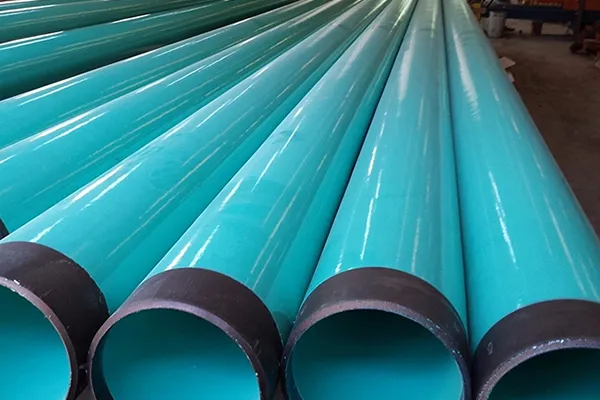
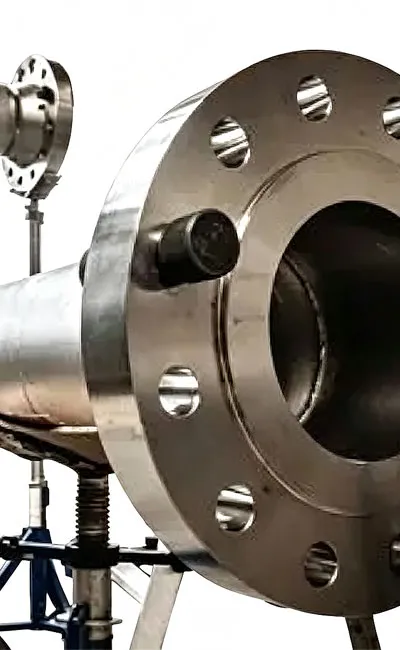
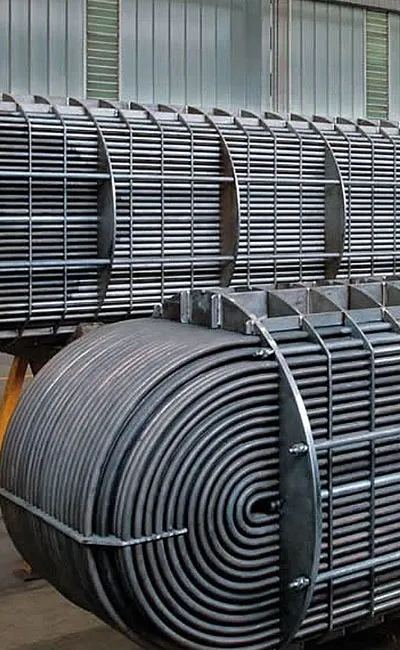
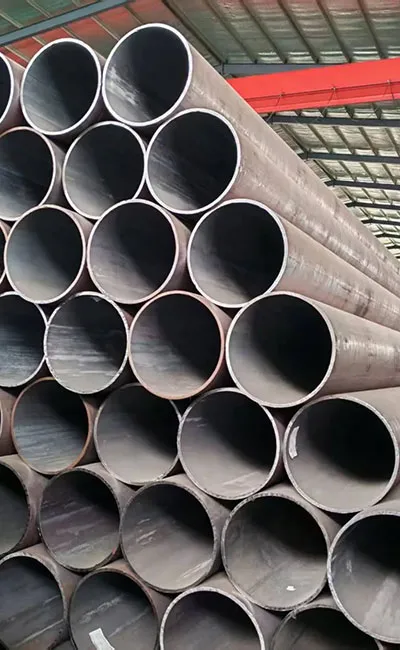
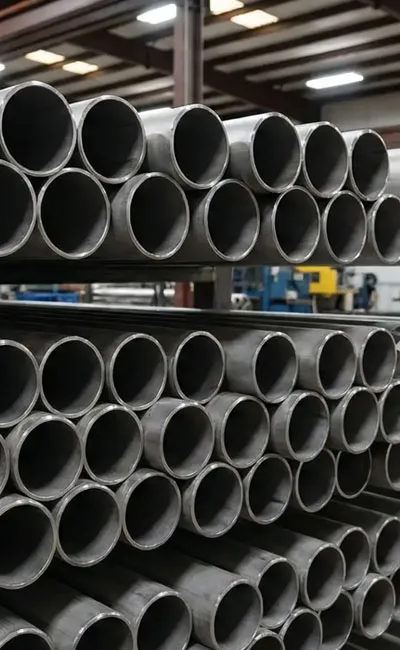
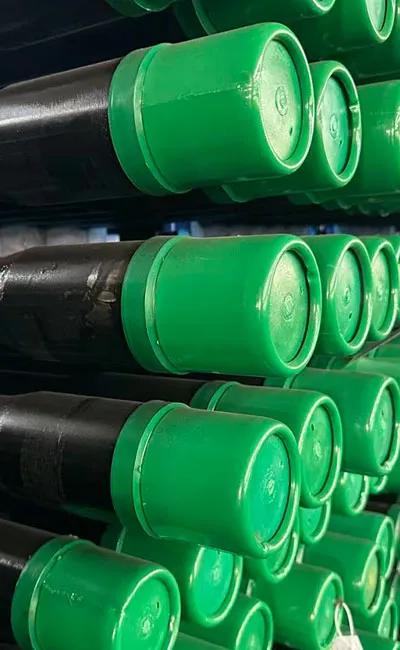
Industrial details of SA106B seamless steel pipe SA106B seamless steel pipe, as an important part of the steel industry, carries the heavy responsibility of connecting the world. Seamless steel pipes not only play an important role in the fields of construction, petroleum, and chemical industry but also play an indispensable role in the construction of infrastructure such as energy and transportation. Next, we will explore the characteristics, application fields, and production processes of SA106B seamless steel pipes in depth to reveal their importance in modern industry. 1. Characteristics of SA106B seamless steel pipes: SA106B is a carbon steel material with good weldability and processability, suitable for high-temperature and high-pressure environments. Seamless steel pipes are superior to welded steel pipes in strength and pressure resistance and can withstand higher pressure and temperature, so they are widely used in demanding engineering fields. SA106B seamless steel pipes have a smooth surface, precise dimensions, and no oxide scale and impurities on the inner and outer walls, ensuring that the fluid transported by the pipeline is clean and pollution-free. 2. Application fields of SA106B seamless steel pipe: SA106B seamless steel pipe is widely used in pipeline projects in the petroleum, chemical, electric power, aviation, shipbuilding, and other industries to transport various fluid media, such as water, oil, gas, etc. In the exploitation of oil and natural gas, SA106B seamless steel pipe undertakes the important task of transporting oil and gas; in the chemical industry, its corrosion resistance ensures the safe transportation of chemical media; in the power industry, it is used to transport high-temperature and high-pressure steam to ensure the normal operation of power generation equipment. 3. Production process of SA106B seamless steel pipe: The production process of SA106B seamless steel pipe mainly includes hot rolling, cold drawing, and cold rolling. First, by selecting high-quality steel billets, perforating after heating, and forming tube billets; then through multiple rolling and drawing, the tube billets are gradually thinned and extended, and finally seamless steel pipes are obtained. During the production process, the temperature, pressure, and speed of each process are strictly controlled to ensure that the product quality meets the standard requirements. 4. Future development trends and challenges: With the acceleration of the global industrialization process, the demand for high-strength, high-pressure, and high-corrosion-resistant steel pipes continues to increase. SA106B seamless steel pipe, as a high-quality pipe, will continue to play an important role in the future. However, with the development of technology, higher requirements are put forward for the environmental protection, energy saving, and safety of steel pipes. Steel pipe manufacturers need to continue to innovate, improve production processes, and promote the industry to develop in a more intelligent and green direction. SA106B seamless steel pipe, carrying the heavy responsibility of industrial development, connects every corner of the world. Its superior performance and wide range of applications make it an indispensable part of modern industry. In the future, with the continuous advancement of science and technology, SA106B seamless steel pipe will surely usher in a broader development space and provide solid support for the development of various industries. Post time: Aug-12-2024

Latest news list

  • FBE steel pipe field joint coating,FBE pipe welding protection,field joint coating,FBE coating repair,FBE field joint inspection
    FBE (fusion-bonded epoxy) coating provides external corrosion protection for steel pipes used in pipeline projects,However,during pipeline construction,the coating near pipe ends must be protected while individual pipe sections are joined by welding,The exposed joint area then requires a suitable field joint coating system,If this work is not properly controlled,damage or poor bonding at the joint can compromise the continuity of the pipeline's corrosion protection,Protecting the factory coating and applying the correct field joint system are therefore important parts of pipeline construction,
  • how to choose FBE coated steel pipe,FBE pipe selection,FBE coated pipeline requirements,FBE coated steel pipe size,FBE coated steel pipe purchase
    Selecting FBE coated steel pipes for a pipeline project involves more than specifying pipe diameter,wall thickness and coating thickness,Buyers must consider the base pipe,coating system,operating environment,installation conditions and inspection requirements as one coordinated package,A well-defined purchase specification helps prevent material mismatches,coating defects and documentation gaps before production begins,The following points provide a practical checklist for engineers,EPC contractors and procurement teams,
  • FBE coating and cathodic protection,FBE coated steel pipe,external pipeline corrosion control,cathodic protection monitoring,FBE coating disbondment
    Buried steel pipelines are exposed to moisture,soil chemicals and other environmental conditions that can cause external corrosion,To reduce this risk,pipeline projects commonly combine external fusion-bonded epoxy (FBE) coating with cathodic protection (CP),Although both methods help protect steel against corrosion,they work in different ways,FBE coating provides a physical barrier between the pipe surface and its surroundings,while cathodic protection uses an electrochemical process to reduce corrosion at exposed areas,Their effectiveness depends on proper design,installation,inspection and long-term monitoring,
  • FBE coated steel pipe quality control,FBE coating inspection,FBE coating thickness measurement,FBE pipe inspection,FBE coating quality control
    The quality of an FBE (Fusion Bonded Epoxy) coated steel pipe cannot be judged by its appearance alone,A smooth coating surface does not necessarily mean that the coating has achieved the required thickness,adhesion,or curing condition,For pipeline applications,quality control starts with the incoming bare steel pipe and continues through surface preparation,coating application,curing,and final inspection,Each stage should follow an approved procedure and the requirements specified for the project,A documented inspection process also allows buyers to verify that the supplied pipes meet the agreed technical requirements,
  • FBE coated steel pipes for buried pipelines,buried pipeline corrosion protection,FBE coated steel pipe installation
    FBE (Fusion Bonded Epoxy) coating is widely used to protect steel pipes against external corrosion in buried pipeline systems,It forms a protective barrier between the steel surface and the surrounding soil,However,coating performance depends on more than the quality of the factory-applied layer,Soil conditions,transportation,installation,field joint protection and cathodic protection all affect the long-term integrity of a buried pipeline,A reliable protection strategy should address these factors before the pipe is placed underground,

Find what you need ?

close
We use cookies and other tracking technologies to improve your browsing experience on our website, to show you personalized content and targeted ads, to analyze our website traffic, and to understand where our visitors are coming from.