Quality specification and application scope of 6743 seamless steel pipe standard
Date: 2024-08-13
Quality specification and application scope of 6743 seamless steel pipe standard
Seamless steel pipe plays an important role in the industrial field, and its quality standard is directly related to the quality and safety of the project. As an important guiding document in the industry, the 6743 seamless steel pipe standard regulates the manufacturing, quality requirements, inspection methods, and other aspects of seamless steel pipes, providing an important basis for the production and application of seamless steel pipes.
1. Basic introduction to the 6743 seamless steel pipe standard.
The 6743 seamless steel pipe standard refers to the unified international standard for the quality requirements of seamless steel pipes, including detailed provisions on the material, size, chemical composition, mechanical properties, inspection methods, and other aspects of the steel pipe. The formulation of this standard aims to ensure the stable quality and reliable performance of seamless steel pipes, to meet the needs of various engineering fields.
2. Application scope of seamless steel pipes.
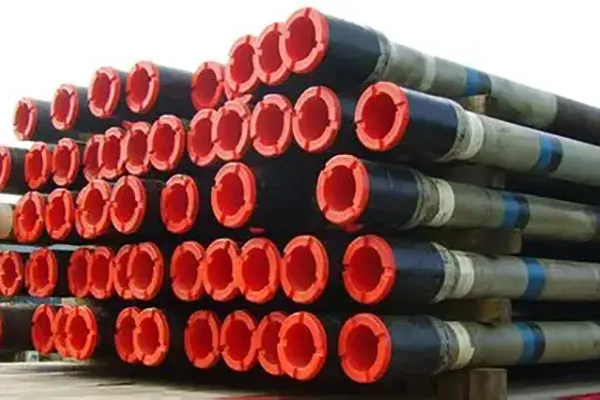
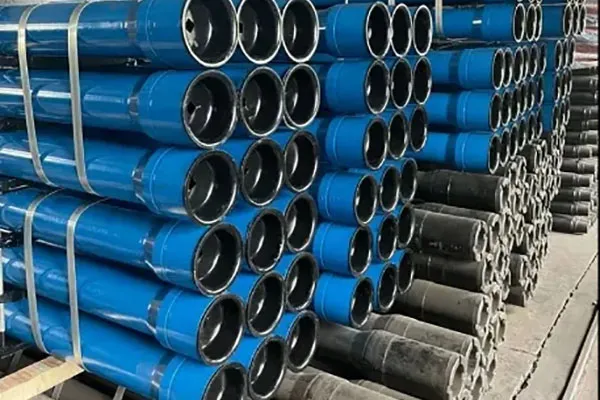
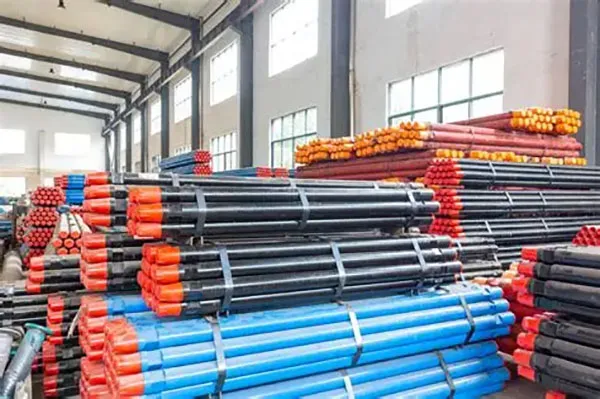
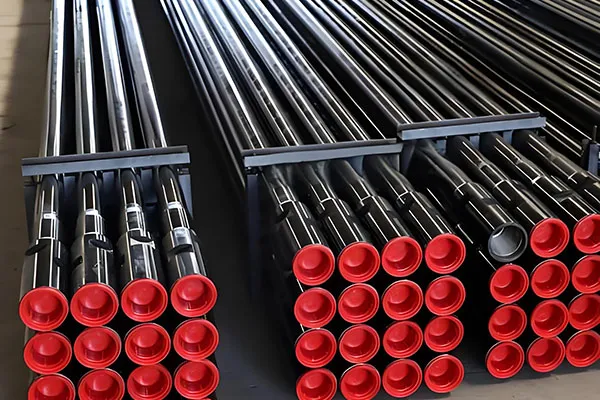
Seamless steel pipes are widely used in petroleum, chemical, electric power, aviation, machinery, and other industries, mainly used for conveying liquids, gases, solid particles, and other media. In these areas, seamless steel pipes are required to be resistant to high pressure, corrosion, and high temperature, good mechanical properties, and sealing performance. The 6743 seamless steel pipe standard plays an important role in ensuring the stability and reliability of the pipe quality.
3. Quality requirements and inspection methods.
According to the 6743 seamless steel pipe standard, the quality requirements of seamless steel pipes mainly include appearance quality, chemical composition, mechanical properties, dimensional deviation, and other aspects. At the same time, the standard also stipulates the inspection methods of steel pipes, such as chemical composition analysis, tensile test, hardness test, impact test, etc., to ensure that the products meet the standard requirements.
4. The significance and role of the standard.
The formulation of the 6743 seamless steel pipe standard is not only conducive to standardizing the production behavior of seamless steel pipe manufacturers and improving product quality but is also conducive to protecting the rights and interests of users and reducing engineering construction risks. Following the standard can effectively reduce accidents caused by quality problems of steel pipes and ensure the smooth progress of the project.
5. Future development trends and challenges.
With the continuous development of industrial technology and the continuous changes in market demand, the seamless steel pipe industry is also facing new development trends and challenges. In the future, seamless steel pipe manufacturing technology will be more intelligent and automated, and products will develop in the direction of high strength, high wear resistance, and high corrosion resistance. At the same time, environmental protection and energy saving will also become important directions for the development of the industry. Seamless steel pipe companies need to continuously improve their technical level to adapt to changes in market demand.
As an important reference for the seamless steel pipe industry, the 6743 seamless steel pipe standard plays a vital role in the development of the industry. Both manufacturers and users should conscientiously follow this standard to ensure product quality and promote the healthy development of the industry. At the same time, industry practitioners should also continue to learn and update technical knowledge, adapt to market changes, and promote the seamless steel pipe industry to develop in a more green and efficient direction.
Post time: Aug-13-2024










 English
 Español
 русский язык
 Português












