Large-diameter steel pipe forming and processing methods
Date: 2025-04-25
Large-diameter steel pipe forming and processing methods
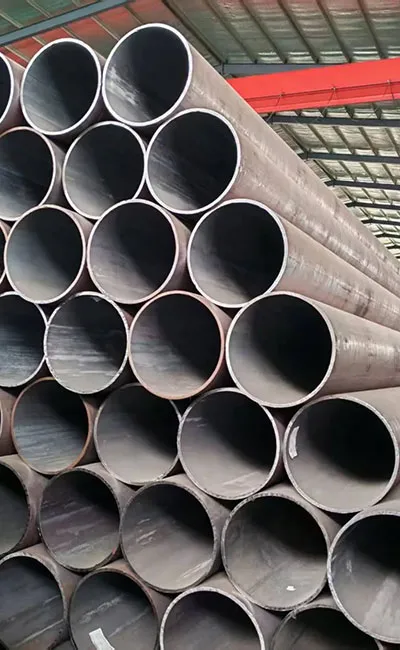
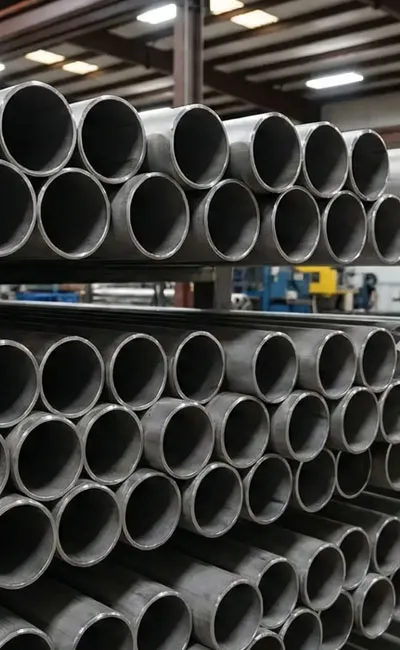
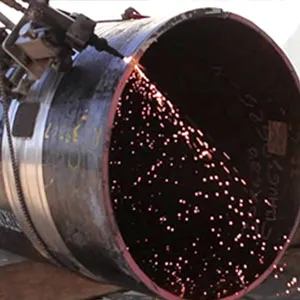
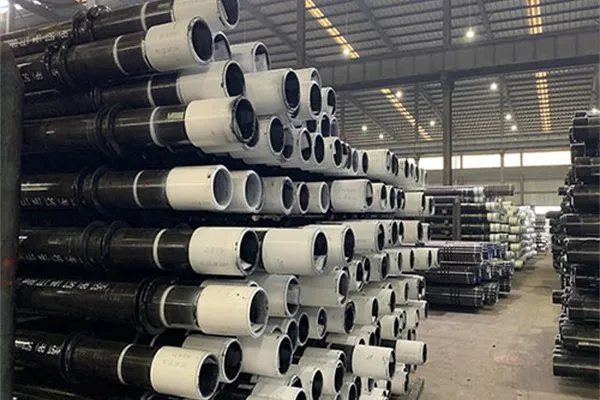
Large-diameter steel pipes are also called large-diameter galvanized steel pipes, which refer to welded steel pipes with hot-dip or electroplated zinc layers on the surface of large-diameter steel pipes. Galvanizing can increase the corrosion resistance of steel pipes and extend their service life. Galvanized pipes are widely used. In addition to being used as pipeline pipes for general low-pressure fluids such as water, gas, and oil, they are also used as oil well pipes and oil pipelines in the petroleum industry, especially offshore oil fields, oil heaters, condensers, and coal distillation oil exchangers for chemical coking equipment, as well as pier piles and support frames for mine tunnels.
Large-diameter steel pipe forming methods:
1. Hot push expansion method: The push expansion equipment is simple, low-cost, easy to maintain, economical, and durable, and the product specifications are flexible. If you need to prepare large-diameter steel pipes and other similar products, you only need to add some accessories. It is suitable for the production of medium and thin-walled large-diameter steel pipes, and can also produce thick-walled pipes that do not exceed the equipment capacity.
2. Hot extrusion method: The billet needs to be pre-processed by machining before extrusion. When extruding pipes with a diameter of less than 100mm, the equipment investment is small, the material waste is small, and the technology is relatively mature. However, once the diameter of the pipe increases, the hot extrusion method requires large-tonnage and high-power equipment, and the corresponding control system must also be upgraded.
3. Hot piercing rolling method: Hot piercing rolling is mainly longitudinal extension and oblique extension. Longitudinal extension rolling mainly includes limited mandrel continuous tube rolling, less-frame limited mandrel continuous tube rolling, three-roller limited mandrel continuous tube rolling, and floating mandrel continuous tube rolling. These methods have high production efficiency, low metal consumption, good products, and control systems, and are increasingly widely used.
At present, the main production processes of large-diameter steel pipes in my country are hot-rolled large-diameter steel pipes and hot-expanded large-diameter steel pipes. The largest specifications of hot-expanded seamless steel pipes are 325 mm-1220 mm and the thickness is 120mm. Hot-expanded seamless steel pipes can produce non-national standard sizes. Hot-expanded seamless pipes are what we often call hot-expanded pipes. Steel pipes with relatively low density but strong shrinkage are expanded by oblique rolling or drawing. A rough pipe finishing process. It is a development trend in the field of pipe rolling to thicken steel pipes in a relatively short period of time, produce non-standard and special types of seamless pipes, and have low cost and high production efficiency.
Large-diameter steel pipe steel is annealed and heat-treated before leaving the factory. This delivery state is called an annealed state. The purpose of annealing is mainly to eliminate the structural defects and internal stress left over from the previous process and to prepare for the organization and performance of the subsequent process. Alloy structural steel, structural steel to ensure hardenability, cold heading steel, bearing steel, tool steel, steel for turbine blades, and stainless heat-resistant steel for iron ropes are usually delivered in an annealed state.
Large-diameter steel pipe processing methods:
1. Rolling; the large-diameter steel pipe metal billet passes through the gap (various shapes) of a pair of rotating rollers. Due to the compression of the rollers, the material cross-section is reduced and the length is increased. This is a common production method for large-diameter steel pipes. It is mainly used to produce large-diameter steel pipe profiles, plates, and pipes. It is divided into cold rolling and hot rolling.
2. Forging; a pressure processing method that uses the reciprocating impact force of the forging hammer or the pressure of the press to change the billet into the shape and size we need. It is generally divided into free forging and die forging and is often used to produce large-scale materials, billets, and other materials with large cross-sectional sizes.
3. Drawing: It is a processing method that draws the rolled metal billet (profile, tube, product, etc.) through a die hole to reduce the cross section and increase the length. It is mostly used for cold processing.
4. Extrusion: It is a processing method that places the metal in a closed extrusion cylinder, applies pressure at one end, and squeezes the metal out of the specified die hole to obtain a finished product with the same shape and size. It is mostly used to produce large-diameter steel pipes of non-ferrous metals.
Post time: Apr-25-2025










 English
 Español
 русский язык
 Português