Steel pipe standards for building structures and their importance in practical applications
Date: 2024-04-28
Steel pipe standards for building structures and their importance in practical applications
In the field of construction, steel pipes, as an important structural material, are widely used in various engineering projects such as bridges, high-rise buildings, and industrial plants. Steel pipes not only carry the weight of the building but are also related to the overall stability and safety of the building.
First, the classification and characteristics of steel pipe standards
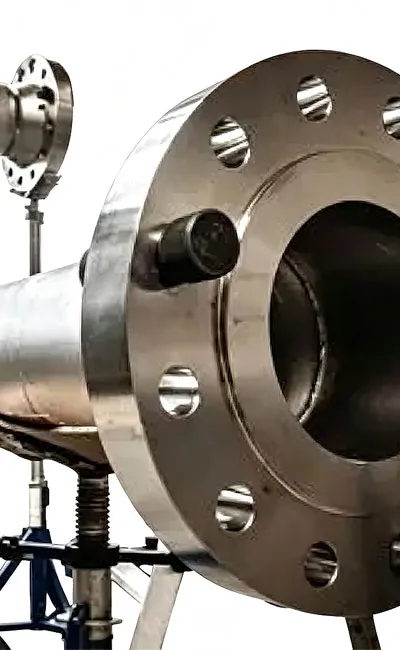
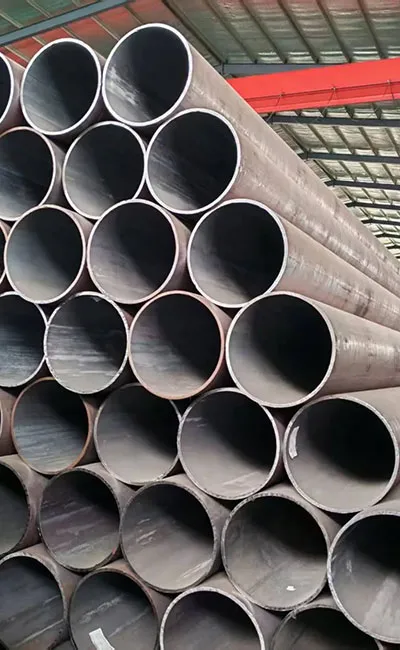
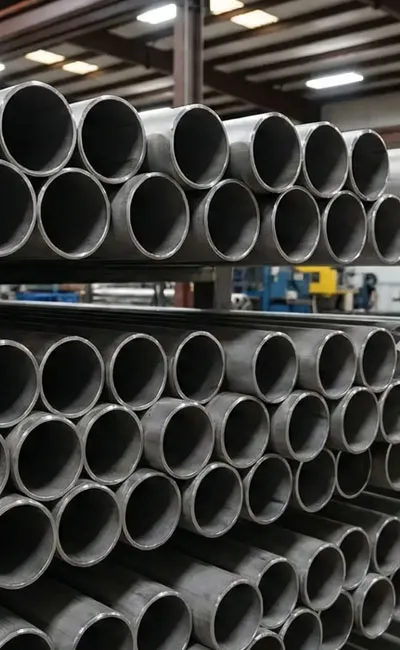
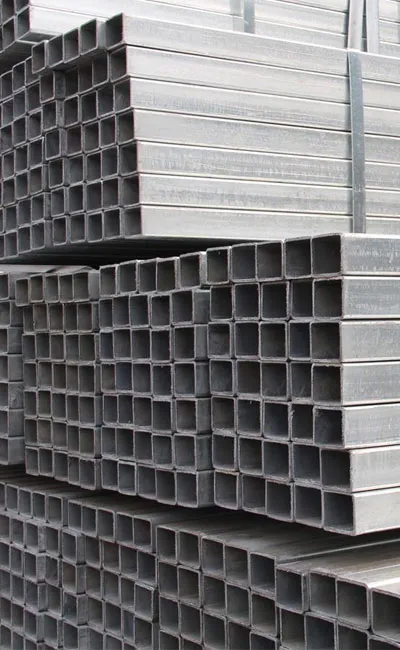
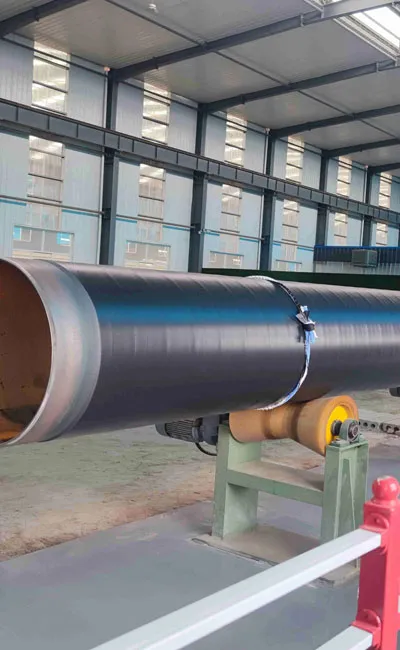
The standards for steel pipes used in building structures are mainly classified according to factors such as the use, material, and manufacturing process of the steel pipes. Common steel pipe standards include national standards, industry standards, and enterprise standards. These standards usually cover the outer diameter, wall thickness, length, chemical composition, mechanical properties, surface quality, and other requirements of steel pipes.
Second, the basis for formulating steel pipe standards
The formulation of steel pipe standards is usually based on relevant national laws and regulations, international standards, and industry practices. During the formulation process, various factors such as steel pipe production technology, market demand, and safety performance will be comprehensively considered to ensure the scientificity and practicality of the standard. At the same time, with the development of science and technology and the deepening of engineering practice, steel pipe standards will continue to be updated and improved.
Third, the importance of steel pipe standards in practical applications
1. Ensure project quality: Construction in compliance with steel pipe standards can ensure that the quality of steel pipes meets design requirements, thereby ensuring the stability and safety of the entire building structure.
2. Guide production practices: Steel pipe standards provide clear technical guidance for the production and processing of steel pipes, helping enterprises improve production efficiency and reduce production costs.
3. Promote the healthy development of the industry: Unified steel pipe standards help standardize market order, prevent inferior products from flowing into the market, and promote the healthy development of the construction industry.
Fourth, implementation and supervision of steel pipe standards
To ensure the effective implementation of steel pipe standards, governments at all levels and relevant departments will strengthen supervision of the production, sales, and use of steel pipes. At the same time, enterprises will also be encouraged to consciously comply with steel pipe standards and improve product quality and service levels. In addition, social supervision and public opinion supervision are also important means to ensure the implementation of steel pipe standards.
Fifth, the future development trend of steel pipe standards
With the continuous advancement of science and technology and the rapid development of the construction industry, steel pipe standards will face higher challenges and requirements. In the future, the development trend of steel pipe standards will be mainly reflected in the following aspects:
1. Higher standards of safety performance requirements: As people continue to pay more attention to the safety performance of buildings, steel pipe standards will pay more attention to the safety performance requirements of steel pipes, such as seismic performance, fire resistance, etc.
2. Increased green environmental protection requirements: With the increasing awareness of environmental protection, the formulation of steel pipe standards will pay more attention to environmental protection requirements and promote the development of the steel pipe industry in a green, low-carbon, and circular direction.
3. Application of intelligent manufacturing technology: With the continuous development of intelligent manufacturing technology, steel pipe production will pay more attention to the application of automation, digitalization, and intelligent technology to improve production efficiency and product quality.
4. Strengthening of the trend of international standardization: With the acceleration of globalization, the trend of internationalization of steel pipe standards will become more obvious. my country’s steel pipe industry will actively participate in the formulation and revision of international standards and promote the internationalization process of steel pipe standards.
In short, steel pipe standards for building structures are an important guarantee for ensuring the safety, stability, and durability of buildings. With the continuous advancement of science and technology and the rapid development of the construction industry, steel pipe standards will continue to be improved and improved, providing strong support and guarantee for the development of the construction industry. At the same time, we also need to realize the importance of the implementation of steel pipe standards. Governments, enterprises, and individuals at all levels should consciously abide by steel pipe standards and jointly promote the healthy development of the construction industry.
Post time: Apr-28-2024










 English
 Español
 русский язык
 Português