The Impact of Carbon Steel Pipe on Reverse Osmosis Membranes
Date: 2025-10-21
The Impact of Carbon Steel Pipe on Reverse Osmosis Membranes
In today’s era of increasingly scarce water resources, reverse osmosis (RO) technology, as a highly efficient water treatment method, has gradually become an important choice for industrial, agricultural, and domestic water purification. In RO membrane systems, the selection and application of various materials have a crucial impact on membrane performance and service life.
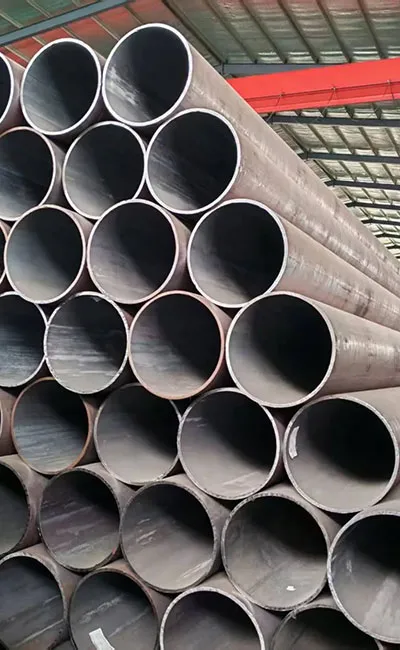
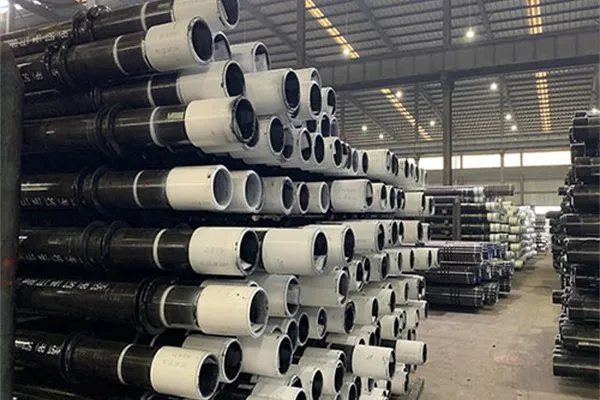
Carbon steel pipe, due to its excellent mechanical properties and cost-effectiveness, is widely used in the piping construction of RO membrane systems. Compared with other materials, carbon steel pipe is relatively low in cost and relatively simple to manufacture and maintain, making it the preferred choice for many companies. However, corrosion problems that may occur during the use of carbon steel pipe directly affect the performance of RO membranes.
Prolonged contact with water, especially in water containing gases such as oxygen and carbon dioxide, can cause oxidation reactions in carbon steel pipe, leading to internal rust. Once this rust enters the RO membrane system, it may adhere to the membrane surface, causing contamination and affecting the membrane’s permeability and selectivity. This contamination not only reduces water treatment efficiency but also increases the frequency of membrane cleaning and replacement, increasing operating costs. Therefore, when selecting carbon steel pipe as the piping material for RO membrane systems, it is important to fully consider its potential negative impacts.
Carbon steel pipes are not without their advantages. Due to their high strength and toughness, they outperform many other materials under high-pressure and high-temperature conditions. Their recyclability also gives them certain environmental advantages. To mitigate the negative impact of carbon steel pipes on reverse osmosis membranes, many companies have begun using coating technologies, such as applying an anti-corrosion coating to the inside of the pipes to reduce rust.
Another factor of concern is the impact of water quality on carbon steel pipes. Reverse osmosis membranes operate by selectively allowing water molecules to pass through the semipermeable membrane while rejecting other large molecules and ions. Changes in water quality during this process can affect membrane efficiency. Impurities, rust, and other particulate matter contained in carbon steel pipes can enter the membrane system with the flowing water, affecting the membrane’s flux and salt rejection rate. Therefore, proper water quality management and pipe maintenance are particularly important.
In reverse osmosis membrane systems, the issue of how to effectively utilize carbon steel pipes while minimizing their impact on the membranes is a pressing issue. Proper piping system design, along with regular inspection and maintenance, can mitigate the adverse effects of carbon steel piping on reverse osmosis membranes to a certain extent.
Further exploration of the impact of carbon steel piping in reverse osmosis membrane systems requires consideration of fluid dynamics, in addition to corrosion and water quality issues. Fluid flow patterns within carbon steel piping, as well as variations in flow velocity and flow rate, can affect membrane performance. Research has shown that the flow pattern within the piping significantly impacts membrane cleaning efficiency and service life. Therefore, when designing reverse osmosis membrane systems, appropriate fluid dynamics can not only improve overall system performance but also reduce the burden on the membranes.
To enhance the performance of reverse osmosis membranes, some research institutions and companies are exploring the use of new composite piping materials. These new materials not only offer enhanced corrosion resistance but also effectively prevent microbial growth, thereby reducing the risk of membrane fouling. For example, polymer materials exhibit superior corrosion resistance and are more suitable for use in water treatment systems than carbon steel pipes. However, cost and material availability remain major obstacles to the adoption of new materials.
In reverse osmosis membrane systems, regular maintenance and cleaning are crucial measures to maintain membrane performance. Although carbon steel pipes may pose risks of corrosion and contamination, regular monitoring and maintenance can promptly identify problems and implement appropriate measures to ensure long-term, stable membrane operation. Many companies have begun adopting online monitoring technologies to monitor water quality and system status in real time, enabling timely adjustments to operating parameters and improving reverse osmosis membrane efficiency.
Technological advances have also provided new solutions for reverse osmosis membrane systems. For example, the combination of ultrasonic cleaning technology and membrane bioreactors can effectively remove contaminants from the membrane surface and improve membrane cleaning efficiency. In this process, the use of traditional carbon steel pipes can also be combined with new technologies to enhance overall system performance.
In summary, carbon steel pipes offer both advantages and challenges in reverse osmosis membrane systems. Their cost-effectiveness and strength make them the piping material of choice in many industries, but corrosion and water quality impacts are significant issues. Through appropriate design, regular maintenance, and the application of new technologies, the advantages of carbon steel pipes can be fully utilized while minimizing their adverse effects on reverse osmosis membranes. In the future, with the advancement of materials science, we look forward to the emergence of more innovative solutions that will bring more efficient and sustainable solutions to the water treatment industry.
Post time: Oct-21-2025










 English
 Español
 русский язык
 Português