Industry News

Hunan Great Steel Pipe Co., Ltd
spiral welded pipe,straight seam welded pipe,SSAW steel pipe supplier

The hot-dip galvanizing process of steel pipes is a rust-proof artifact

Date: 2024-09-23
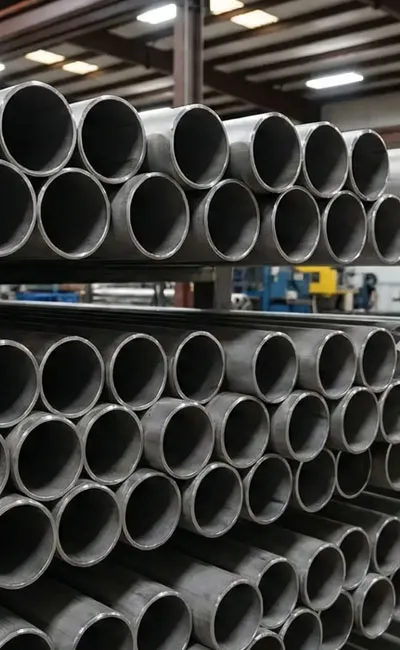
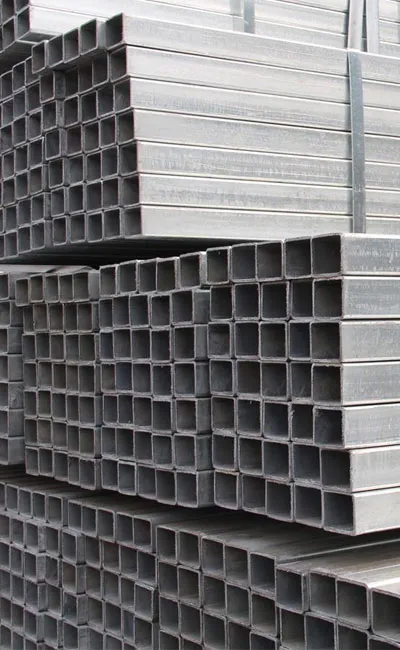
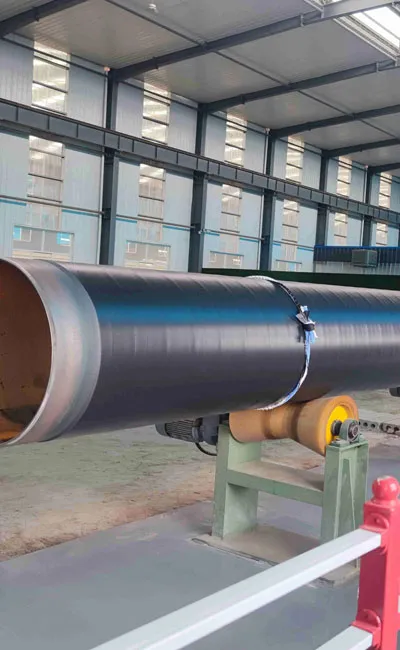
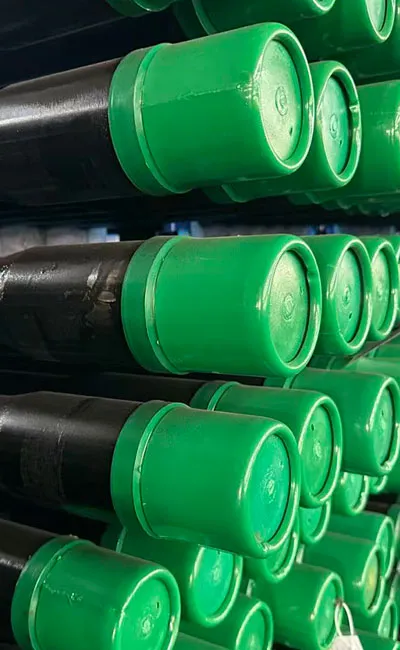
The hot-dip galvanizing process of steel pipes is a rust-proof artifact In our daily life and industrial production, steel pipes are a common building material. They are widely used in building structures, pipeline transportation, machinery manufacturing, and other fields. However, steel pipes are often damaged by oxidation and rust during use. To extend the service life of steel pipes, we often choose to hot-dip galvanize the steel pipes and put on an “armor” to make them more durable. Next, let us explore the mystery of the hot-dip galvanizing process of steel pipes. 1. What is hot-dip galvanizing? Hot-dip galvanizing is a process of galvanizing the surface of steel pipes by immersing them in molten zinc liquid. This process can cover the surface of the steel pipe with a layer of zinc, which plays a role in preventing oxidation corrosion. 2. The benefits of galvanizing - Galvanized steel pipes have good anti-corrosion properties and can effectively extend the service life of steel pipes. - Galvanized steel pipes are not easy to rust during use and can maintain a bright surface for a long time. - Galvanized steel pipes have high strength and can adapt to the use requirements in various harsh environments. 3. Hot-dip galvanizing process 3.1 Preparation: Before hot-dip galvanizing, the steel pipe needs to be cleaned and pickled to remove oil and rust on the surface to ensure the quality of the galvanizing effect. 3.2 Preheating: The cleaned steel pipe is sent to the preheating furnace for preheating. This step is mainly to improve the bonding between the steel pipe surface and the zinc liquid and ensure the adhesion of the galvanized layer. 3.3 Molten galvanizing: The preheated steel pipe is sent to the molten zinc liquid. The steel pipe stays in the zinc liquid for a period to form a uniform and dense zinc layer on the surface of the steel pipe. 3.4 Cooling: The steel pipe after molten galvanizing needs to be cooled to solidify the zinc layer on the surface. 3.5 Inspection and packaging: Finally, the steel pipe after hot-dip galvanizing needs to be quality inspected and packaged to ensure that the product quality meets the standards and is properly packaged to prevent damage during transportation and storage. 4. Application fields Hot-dip galvanized steel pipes are widely used in building structures, pipeline transportation, road guardrails, bridge railings, and other fields. In these fields, the role of hot-dip galvanized steel pipes is particularly prominent in occasions where corrosion resistance is required. Through the hot-dip galvanizing process, the steel pipe can not only have a longer service life in use but also maintain a good appearance, reducing the cost of use and maintenance. Therefore, the hot-dip galvanizing process can be regarded as the “armor” of steel pipe anti-rust and plays an important role in modern industrial production and life. Post time: Sep-23-2024

Latest news list

  • stainless seamless steel pipe,high temperature stainless steel pipe,stainless steel pipe selection
    High-temperature piping requires more than simply selecting a stainless steel grade,As temperature increases,material strength,corrosion behavior,thermal expansion,pressure resistance,and long-term stability become increasingly important,For this reason,stainless seamless steel pipe should be selected against the complete service condition rather than temperature alone,
  • stainless seamless steel pipe,stainless seamless steel pipe manufacturing,stainless steel pipe quality control
    Stainless seamless steel pipe is used in chemical processing,oil and gas,power generation,water treatment,food processing,and other applications where material performance and pressure integrity matter,But a finished pipe does not become reliable simply because it is made from stainless steel,Its quality is built through material control,forming,heat treatment,dimensional control,inspection,and traceability,Understanding how stainless seamless steel pipe is manufactured gives engineers and technical buyers a better way to evaluate suppliers beyond price,surface appearance,or a product catalogue,
  • LSAW steel pipe maintenance,LSAW pipe maintenance,LSAW steel pipe inspection,LSAW pipeline maintenance
    Installing a properly specified LSAW steel pipe does not eliminate the need for pipeline maintenance,Once a pipeline enters service,corrosion,coating deterioration,mechanical loading,ground movement,operating changes,and environmental exposure can gradually affect its condition,For large-diameter pipelines,a practical maintenance program should focus on identifying changes early and taking corrective action before a manageable condition develops into an integrity problem,The objective is not simply to inspect the pipe,It is to understand the condition of the complete pipeline system and respond based on evidence,
  • LSAW steel pipe,LSAW steel pipe for high pressure,high-pressure pipeline,LSAW pipe wall thickness
    High-pressure pipeline systems place demanding requirements on pipe material,dimensions,weld integrity,inspection,and operating conditions,For large-diameter pipelines,LSAW steel pipe can be an effective solution because its manufacturing process allows large outside diameters and substantial wall thicknesses to be produced from steel plate,However,selecting LSAW steel pipe for pressure service is not simply a matter of choosing a thicker wall,The pipe specification needs to match the actual design pressure,temperature,fluid,diameter,applicable code,and service environment,
  • LSAW steel pipe corrosion,LSAW steel pipe coating,3PE coated LSAW steel pipe,FBE coated steel pipe
    LSAW steel pipe is widely used for large-diameter water transmission,buried pipelines,and other infrastructure projects where strength,dimensional control,and long-term service reliability are important,However,pipe strength alone does not prevent corrosion,For buried or water pipeline systems,corrosion protection should be considered from material selection and coating through transportation,field welding,installation,and long-term inspection,A coating system should also be selected according to the actual operating environment rather than simply by initial cost,

Find what you need ?

close
We use cookies and other tracking technologies to improve your browsing experience on our website, to show you personalized content and targeted ads, to analyze our website traffic, and to understand where our visitors are coming from.