What are the standards for the storage of anti-corrosion steel pipes
Date: 2023-12-19
What are the standards for the storage of anti-corrosion steel pipes
1. The appearance of anti-corrosion steel pipes entering and leaving the warehouse needs to be inspected as follows:
① Inspect each root to ensure that the surface of the polyethylene layer is flat and smooth, with no dark bubbles, pitting, wrinkles, or cracks. The overall color needs to be uniform. There should be no excessive corrosion on the surface of the pipe.
② The curvature of the steel pipe should be <0.2% of the length of the steel pipe, and its ovality should be ≤0.2% of the outer diameter of the steel pipe. The surface of the entire pipe has local unevenness <2mm.
2. The following points need to be paid attention to when transporting anti-corrosion steel pipes:
① Loading and unloading: Use a hoist that does not damage the pipe mouth and does not damage the anti-corrosion layer. All construction tools and equipment must comply with regulations during loading and unloading. Before loading, the anti-corrosion grade, material, and wall thickness of the pipes should be checked in advance, and mixed installation is not advisable.
②Transportation: A thrust baffle needs to be installed between the trailer and the cab. When transporting anti-corrosion pipes, they need to be tied firmly and measures to protect the anti-corrosion layer should be taken promptly. Rubber plates or some soft materials should be installed between the anti-corrosion pipes and the frame or columns, and between the anti-corrosion pipes.
3. What are the storage standards:
① Pipes, pipe fittings, and valves need to be properly stored according to the instructions. Pay attention to inspection during storage to avoid corrosion, deformation, and aging.
② There are also materials such as glass cloth, heat-wrap tape, and heat-shrinkable sleeves that need to be stored in a dry and well-ventilated warehouse.
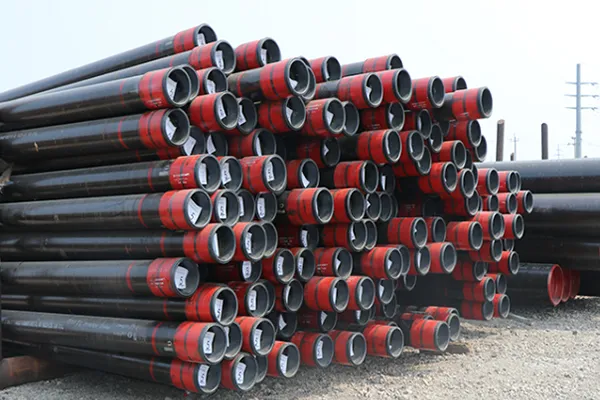
③ Pipes, pipe fittings, valves, and other materials can be classified and stored in the open air. Of course, the storage site selected must be flat and free of stones, and there must be no accumulation of water on the ground. The slope is guaranteed to be 1% to 2%, and there are drainage ditches.
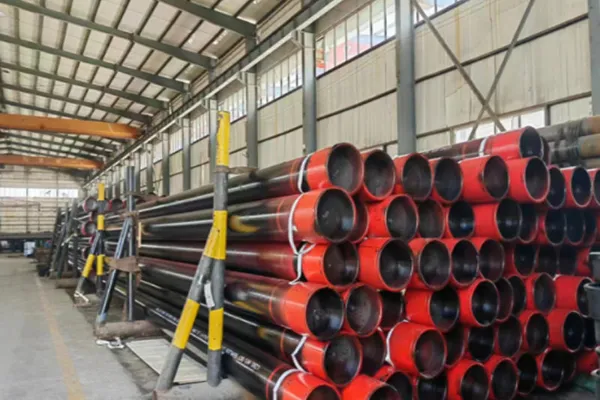
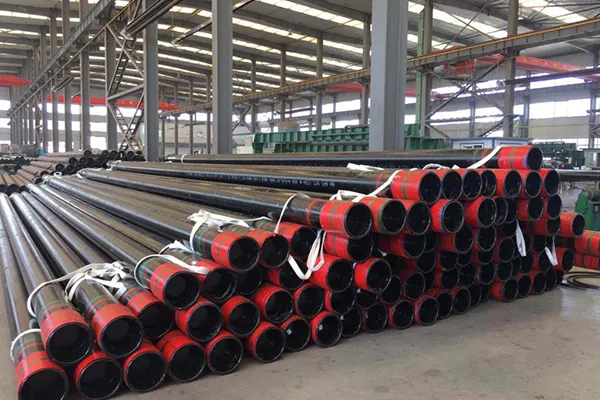
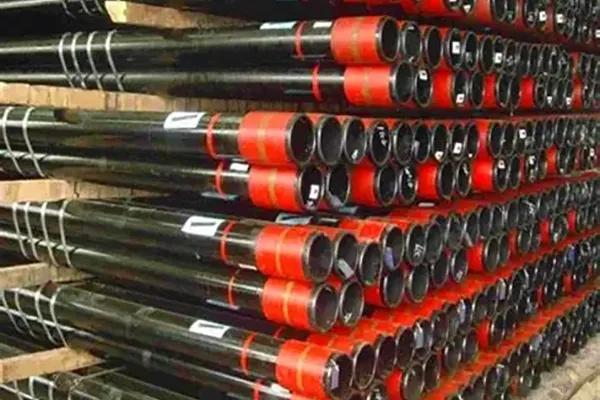
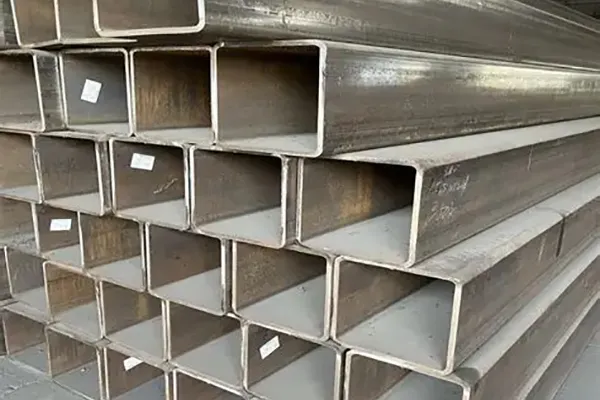
④ Anti-corrosion pipes in the warehouse need to be stacked in layers, and the height needs to ensure that the pipes do not lose their shape. Stack them separately according to different specifications and materials. Soft cushions should be placed between each layer of anti-corrosion pipes, and two rows of sleepers should be laid under the lower pipes. The distance between stacked pipes should be >50mm from the ground.
⑤ If it is on-site construction, there are some storage requirements for pipes: two support pads need to be used at the bottom, the distance between them is about 4m to 8m, the anti-corrosion pipe must not be less than 100mm from the ground, the support pads and anti-corrosion Pipes and anti-corrosion pipes must be padded with flexible spacers.
Post time: Dec-19-2023










 English
 Español
 русский язык
 Português












