What causes stainless steel pipes to turn black, and what should be done
Date: 2025-09-08
What causes stainless steel pipes to turn black, and what should be done
First, there are several possible causes for stainless steel pipes to turn black:
1. Oxidation: When stainless steel pipes are exposed to air for extended periods, they react with oxygen, forming an oxide film. If the oxide film is uneven or contaminated, black spots or marks will appear on the stainless steel pipe.
2. Precipitation: Impurities such as rust and dust may accumulate on the surface of stainless steel pipes, forming black spots.
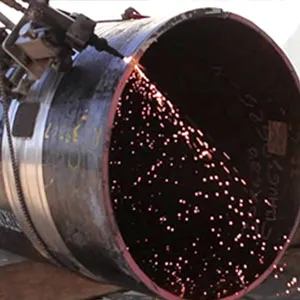
3. Welding: During the welding process, high temperatures and oxidation may cause black marks to appear in or around the weld area.
4. Chemical reaction: The surface of the stainless steel pipe may react with certain chemicals, producing black substances.
5. Chemical surface treatment: In some cases, blackening is a chemical surface treatment of stainless steel pipes. Using a specific chemical solution at a specific temperature and time, a dense black film forms on the surface of the stainless steel pipe.
To prevent stainless steel pipes from turning black, proper care and cleaning are essential. Regularly cleaning the stainless steel pipe surface, avoiding prolonged exposure to moisture, and avoiding the use of cleaning agents that may react chemically with it can help reduce the possibility of blackening. Appropriate measures should also be taken during machining and welding to minimize damage to the stainless steel pipe surface.
Secondly, the blackening of stainless steel pipes may be caused by prolonged use, oxidation, or contact with certain substances. To address this issue, you can try the following methods:
1. Use a dedicated stainless steel cleaner: There are many dedicated stainless steel cleaners available on the market. Following the instructions in the product manual, these cleaners are generally effective in removing stains and black spots from stainless steel pipe surfaces.
2. Use an acidic agent: Natural cleaning agents such as lemon juice or white vinegar can be used. Apply these acids to the black spots on the stainless steel pipe and gently rub with a soft cloth. However, be aware that lemon juice or acetic acid may corrode the metal, so avoid overuse or excessive rubbing.
3. Use baking soda: Add a small amount of baking soda to clean water, stir well, and apply to the stainless steel pipe surface. Then wipe with a soft cloth. Baking soda is a good cleaning agent and can effectively remove black spots on stainless steel pipes.
4. Using toothpaste: Apply an appropriate amount of toothpaste to the black spots on the stainless steel pipe and rub with a brush or soft cloth. The abrasive ingredients in toothpaste help remove stains and oxide layers from the stainless steel pipe’s surface.
5. Mechanical treatment: If the above methods fail to remove black spots on the stainless steel pipe, mechanical treatments such as grinding or polishing may be considered. However, please note that these methods may scratch and damage the stainless steel pipe’s surface, so please consider carefully before using them.
When treating blackened stainless steel pipes, ensure you use the correct cleaning agents and tools. Avoid using harsh or irritating substances that may damage the surface. Regular cleaning and maintenance of stainless steel pipes can extend their lifespan and maintain their appearance.
Post time: Sep-08-2025










 English
 Español
 русский язык
 Português