Company News

Hunan Great Steel Pipe Co., Ltd
anti-corrosion steel pipe,alloy steel seamless pipes,oil pipe,drill pipe

What temperature is suitable for 304 antibacterial stainless steel plate

Date: 2021-03-22
What temperature is suitable for 304 antibacterial stainless steel plate? We all know that antibacterial stainless steel material is resistant to high temperature and corrosion, so at what temperature is 304 antibacterial stainless steel plate suitable for use? The use temperature of 304 antibacterial stainless steel plate is 190~860 degrees Celsius, but in actual use, 304 antibacterial stainless steel The service temperature of the plate is not as high as 860 degrees Celsius. Why does this happen? What kind of temperature strength can 304 antibacterial stainless steel achieve? In fact, the use temperature of 304 antibacterial stainless steel is not suitable to be maintained between 450 and 860 degrees Celsius. When the temperature of 304 antibacterial stainless steel reaches 450 degrees, a critical point will appear. At this critical point, the stainless steel will dilute the chromium around the carbon element. Element, and then form chromium carbide. The chromium-depleted area appears where the diluted chromium originally exists. The appearance of chromium-depleted area will change the performance material of antibacterial stainless steel. In addition, the temperature of 450 degrees Celsius plus the yield force will make austenitic The body transforms to martensite. 304 antibacterial stainless steel This kind of stainless steel generally has better acid resistance, and the nitric acid concentration is within 70%. Temperature 0-80℃ and so on. Antibacterial stainless steel 304 material is one of the materials with very good alkali resistance. Most alkalis can be used in the range of 0-100℃. Post time: Mar-22-2021

Latest news list

  • hollow sections in outdoor steel structures,outdoor hollow section applications,square and rectangular hollow sections,hollow section corrosion protection
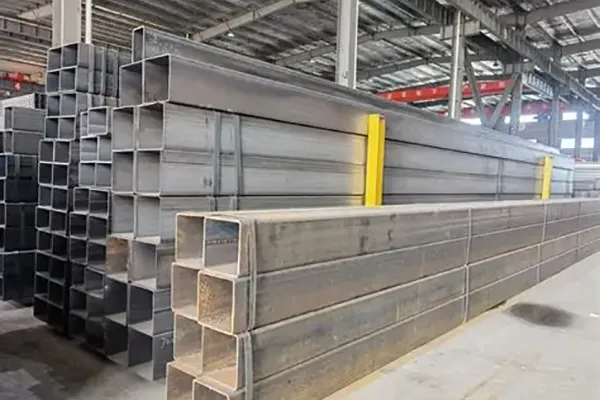
    Square and rectangular hollow sections (SHS and RHS) are widely used in outdoor steel structures,including building frames,equipment supports,walkways,canopies,and industrial platforms,Their suitability depends not only on section dimensions and steel grade,but also on how the structure is detailed,protected,installed,and maintained,
  • square hollow section selection,rectangular hollow section selection,hollow section wall thickness,hollow section standards,hollow section supplier
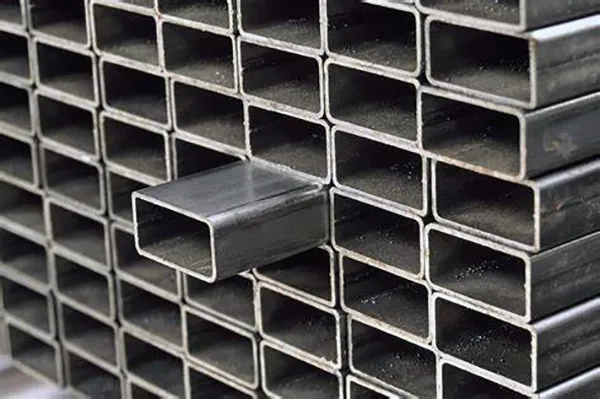
    Choosing the right square or rectangular hollow section (SHS or RHS) starts with the project requirements,not simply the lowest price,Section shape,dimensions,wall thickness,steel grade,applicable standard,and delivery conditions all affect whether the supplied product is suitable for the intended application,
  • prevent buckling in hollow sections,square hollow section buckling,rectangular hollow section buckling,hollow section wall thickness
    Square and rectangular hollow sections (SHS and RHS) are widely used in building frames,industrial structures,support systems,and infrastructure projects,Their structural performance depends not only on steel strength but also on section dimensions,member length,loading conditions,restraints,and connection details,
  • square steel pipe quality control,rectangular steel pipe inspection,hollow section quality control
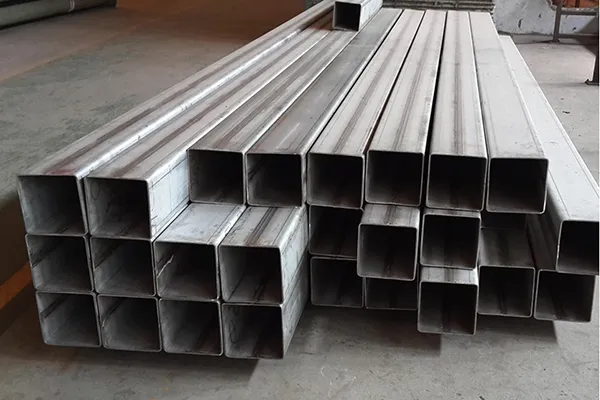
    Quality control for square and rectangular steel pipes involves more than checking finished dimensions,For structural applications,material traceability,dimensional accuracy,surface condition,mechanical properties,and inspection records all contribute to product conformity,
  • hollow section corrosion protection,square steel pipe corrosion,rectangular steel pipe corrosion,hollow section protection,steel hollow section maintenance
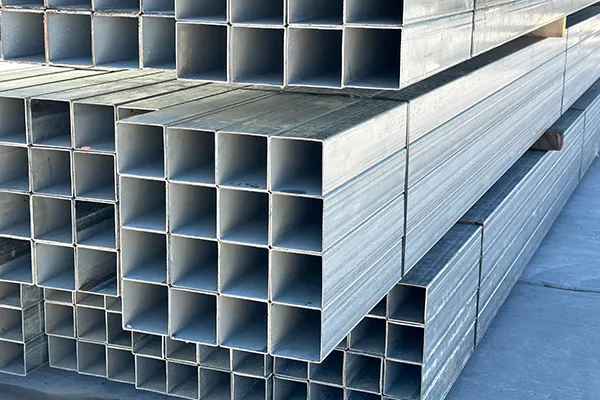
    Square and rectangular hollow sections are widely used in structural frames,equipment supports,industrial platforms and fabricated steel structures,Their closed profiles provide an efficient combination of strength,stiffness and clean geometry,but carbon steel hollow sections can corrode when they are exposed to moisture,salts,chemicals or other aggressive conditions,

Find what you need ?

close
We use cookies and other tracking technologies to improve your browsing experience on our website, to show you personalized content and targeted ads, to analyze our website traffic, and to understand where our visitors are coming from.