Industry News

Hunan Great Steel Pipe Co., Ltd
304L stainless steel pipe,spiral submerged arc pipe,carbon steel pipe

Which is better, seamless or welded

Date: 2023-10-18
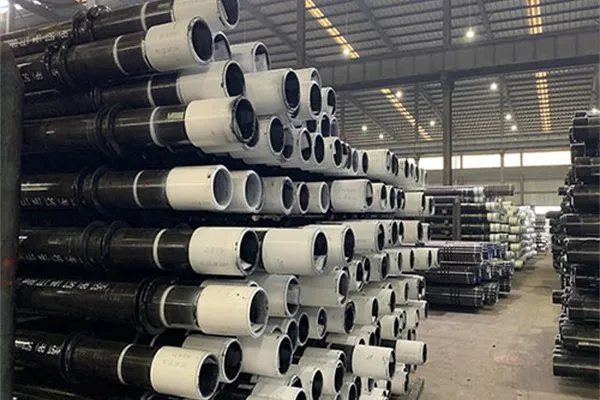
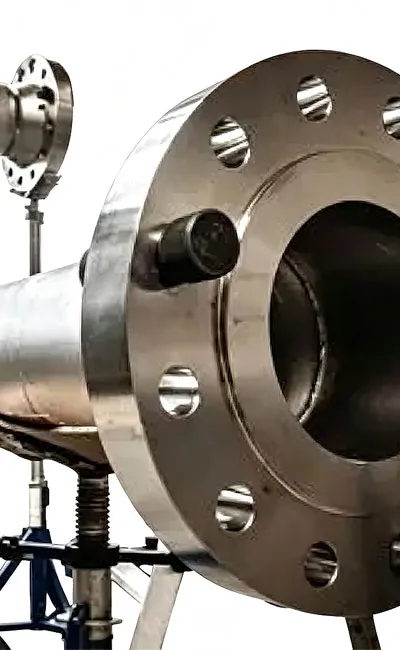
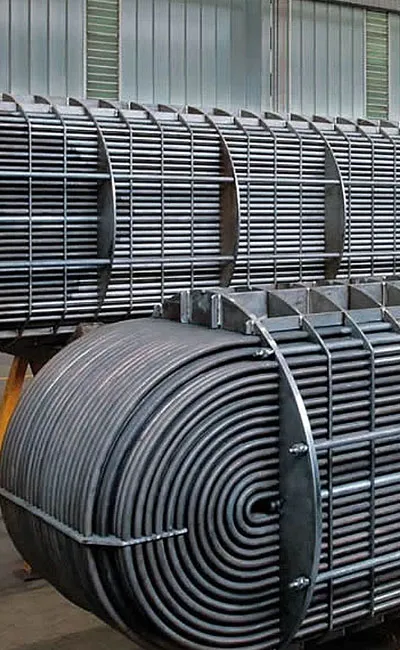
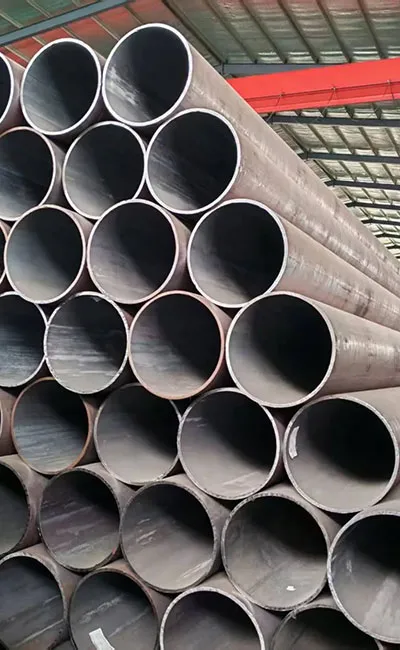
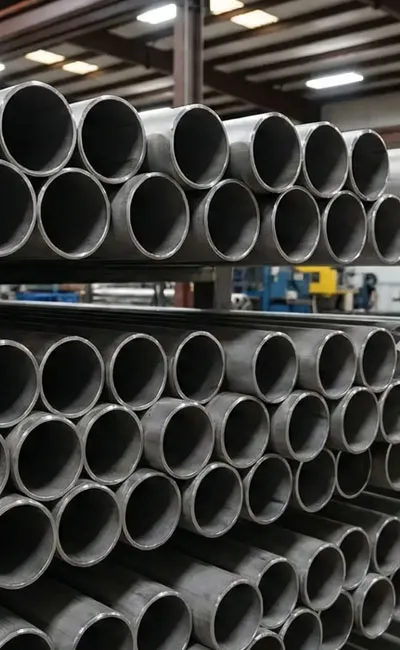
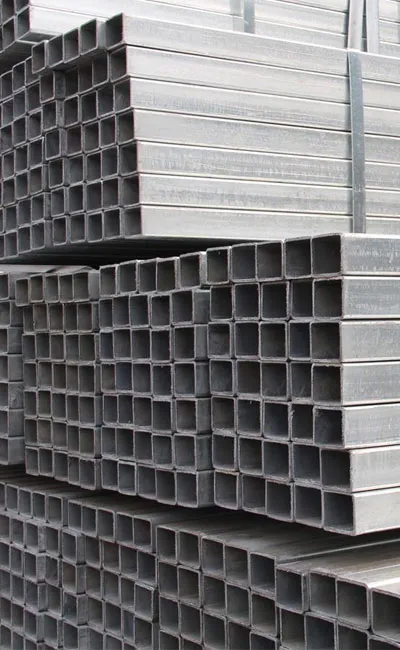
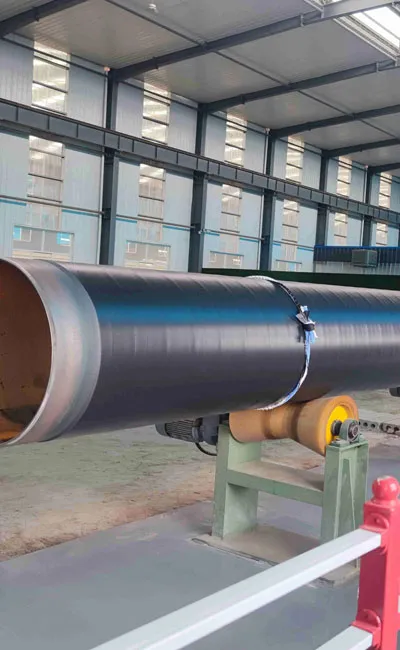
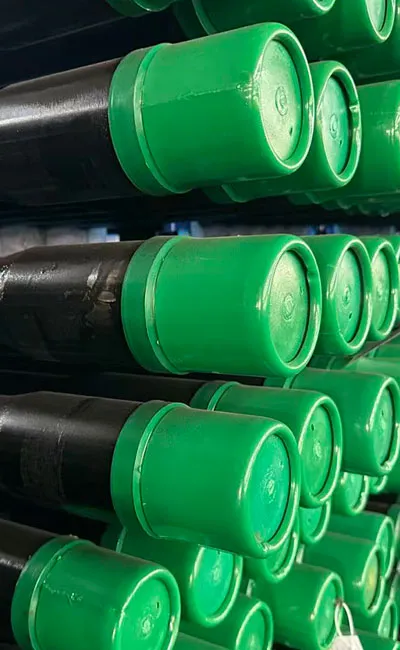
Which is better, seamless or welded? Which is better, seamless or welded? Historically, pipe has been used for a wide range of purposes. Tubing is used in a variety of applications such as construction, manufacturing, etc. When making your choice, consider whether the pipe is welded or seamless. Welded tubes are made by welding two or more pieces of metal together at the ends, whereas 410 stainless steel seamless tubes are formed from a single continuous piece. The manufacturing process often determines the difference between seamless and welded pipe, although both are made from steel. The aim of this lesson is to examine some of their differences so that you can decide which is better. Difference between seamless and welded pipes Manufacture: Pipes are seamless when they are rolled from a sheet of metal into a seamless shape. This means there are no gaps or seams in the pipe. As there are no leaks or corrosion along the joint, it is easier to maintain than welded pipe. Welded pipes are made up of many parts welded together to form a single composite piece. They can be more flexible than seamless pipes because they are not welded at the edges, but they are still prone to leaks and rust if the seams are not properly sealed. Properties: When pipes are extruded using a die, the pipe is formed into an elongated shape with no gaps or seams. Therefore, welded pipes with seams are stronger than extruded pipes. Welding uses heat and filler material to join two pieces of metal together. The metal can become brittle or weak over time as a result of this corrosion process. Strength: The strength of seamless tubes is usually enhanced by their weight and solid walls. Unlike a seamless pipe, a welded pipe operates at 20% less pressure and must be properly tested before use to ensure it won’t fail. However, the length of seamless pipe is always shorter than that of welded pipe because seamless pipe is more difficult to manufacture. They are usually heavier than their welded counterparts. The walls of seamless pipes are not always uniform, as they have tighter tolerances and a constant thickness. Applications: Steel tubes and seamless steel tubes have many advantages and benefits. Seamless steel pipes have unique properties such as the ability to distribute weight evenly, withstand high temperatures and withstand pressure. These products can be used in various industries such as industrial plants, hydraulic systems, nuclear power plants, water treatment plants, diagnostic equipment, petroleum and energy pipelines, and more. Welded pipes are more affordable and can be produced in a variety of sizes and shapes. This benefits a wide range of industries, including construction, aerospace, food and beverage, automotive and mechanical engineering. In general, you should choose seamless or welded tubing based on the requirements of the application. For example, seamless tubes are great if you want flexibility and ease of maintenance over high capacity. Welded pipe is perfect for those who need to handle large volumes of fluid under high pressure. Post time: Oct-18-2023

Latest news list

  • stainless seamless steel pipe,high temperature stainless steel pipe,stainless steel pipe selection
    High-temperature piping requires more than simply selecting a stainless steel grade,As temperature increases,material strength,corrosion behavior,thermal expansion,pressure resistance,and long-term stability become increasingly important,For this reason,stainless seamless steel pipe should be selected against the complete service condition rather than temperature alone,
  • stainless seamless steel pipe,stainless seamless steel pipe manufacturing,stainless steel pipe quality control
    Stainless seamless steel pipe is used in chemical processing,oil and gas,power generation,water treatment,food processing,and other applications where material performance and pressure integrity matter,But a finished pipe does not become reliable simply because it is made from stainless steel,Its quality is built through material control,forming,heat treatment,dimensional control,inspection,and traceability,Understanding how stainless seamless steel pipe is manufactured gives engineers and technical buyers a better way to evaluate suppliers beyond price,surface appearance,or a product catalogue,
  • LSAW steel pipe maintenance,LSAW pipe maintenance,LSAW steel pipe inspection,LSAW pipeline maintenance
    Installing a properly specified LSAW steel pipe does not eliminate the need for pipeline maintenance,Once a pipeline enters service,corrosion,coating deterioration,mechanical loading,ground movement,operating changes,and environmental exposure can gradually affect its condition,For large-diameter pipelines,a practical maintenance program should focus on identifying changes early and taking corrective action before a manageable condition develops into an integrity problem,The objective is not simply to inspect the pipe,It is to understand the condition of the complete pipeline system and respond based on evidence,
  • LSAW steel pipe,LSAW steel pipe for high pressure,high-pressure pipeline,LSAW pipe wall thickness
    High-pressure pipeline systems place demanding requirements on pipe material,dimensions,weld integrity,inspection,and operating conditions,For large-diameter pipelines,LSAW steel pipe can be an effective solution because its manufacturing process allows large outside diameters and substantial wall thicknesses to be produced from steel plate,However,selecting LSAW steel pipe for pressure service is not simply a matter of choosing a thicker wall,The pipe specification needs to match the actual design pressure,temperature,fluid,diameter,applicable code,and service environment,
  • LSAW steel pipe corrosion,LSAW steel pipe coating,3PE coated LSAW steel pipe,FBE coated steel pipe
    LSAW steel pipe is widely used for large-diameter water transmission,buried pipelines,and other infrastructure projects where strength,dimensional control,and long-term service reliability are important,However,pipe strength alone does not prevent corrosion,For buried or water pipeline systems,corrosion protection should be considered from material selection and coating through transportation,field welding,installation,and long-term inspection,A coating system should also be selected according to the actual operating environment rather than simply by initial cost,

Find what you need ?

close
We use cookies and other tracking technologies to improve your browsing experience on our website, to show you personalized content and targeted ads, to analyze our website traffic, and to understand where our visitors are coming from.