Hunan Great Steel Pipe Co., Ltd provides services that reduce total project cost and keep complex piping systems on schedule. Including Cutting, Rolling and Bending, Coating, Beveling, Threading, Welding and Assembly Forming.
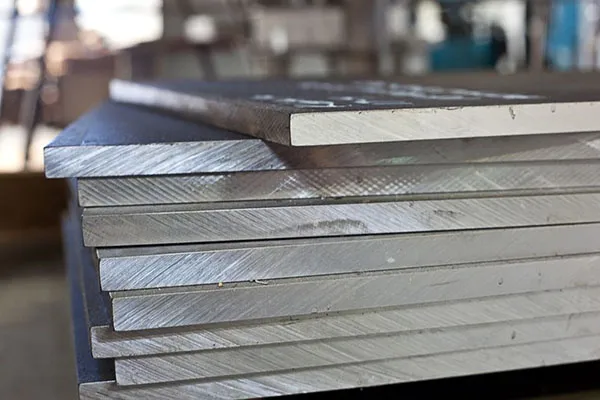
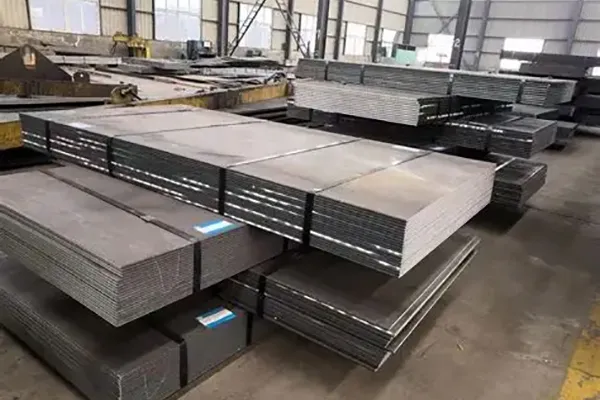
Steel plates can arrive in good condition and still develop problems before fabrication,Poor storage,unsuitable lifting methods,moisture exposure or lost material markings can lead to corrosion,surface damage,traceability issues and production delays,Effective steel plate storage and handling depend on the material grade,surface condition,protective coating,storage period and intended application,The objective is to preserve the plate’s condition and identification until it is ready for fabrication,
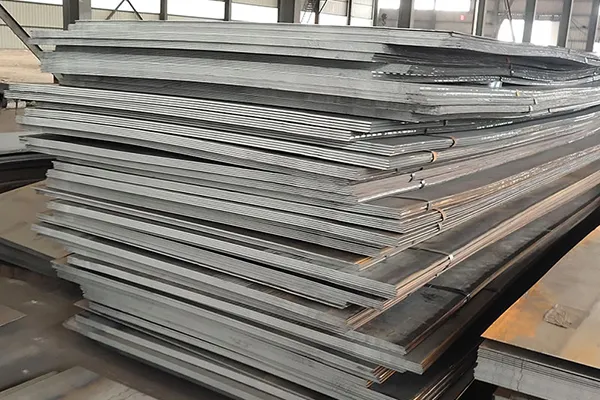
International steel plate orders involve more than purchasing material and arranging freight,Buyers must ensure that the supplied plates match the agreed specifications,inspection requirements and documentation needs,while keeping processing and shipping schedules aligned,For EPC contractors,fabricators,distributors and industrial buyers,a clear supply workflow helps reduce discrepancies before dispatch and supports more predictable project planning,The key is to coordinate each stage against the same approved order requirements,
Cracks in steel plate structures can develop because of repeated loading,stress concentrations,welding details,corrosion or unexpected operating conditions,Identifying a crack early is important,but its significance depends on where it occurs,how the component is loaded and whether the defect affects structural integrity,For steel supports,platforms,equipment bases,brackets and welded assemblies,a reliable inspection process combines visual checks,documented findings and appropriate engineering assessment,A crack should not automatically be attributed to poor steel quality; its cause may lie in the design,fabrication,installation or operating environment,
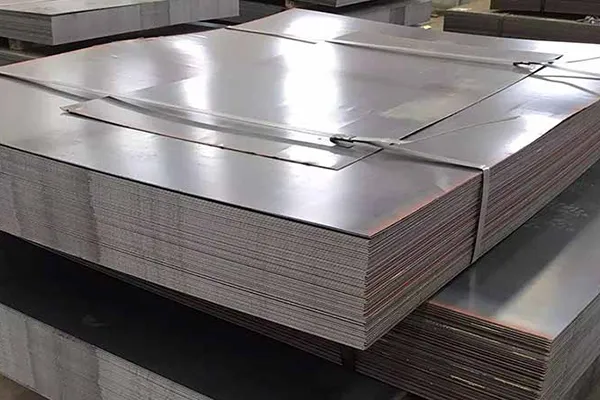
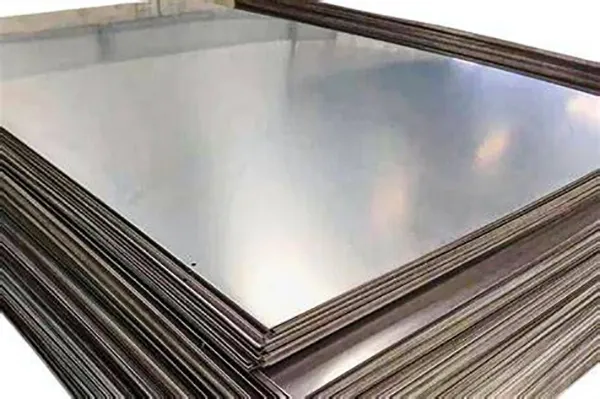
Hot-rolled and cold-rolled steel differ in processing route,surface condition,dimensional control and mechanical properties,Choosing between them requires more than comparing price or appearance,Buyers need to consider the product form,material grade,thickness,fabrication requirements and final operating conditions,One important distinction is that cold-rolled steel is commonly supplied as sheet or strip,particularly in thinner gauges,while hot-rolled steel is widely used for structural plate and heavier industrial applications,The terms are not interchangeable across every product standard,so the required form and specification should be confirmed before ordering,
Steel plates used in hoppers,chutes,material-handling equipment and industrial liners are exposed to abrasion,impact and changing operating conditions,Over time,these factors can reduce plate thickness,affect equipment performance and increase maintenance costs,Understanding the wear mechanism is the first step toward selecting suitable materials and planning effective maintenance,The right solution depends on the material being handled,the operating environment,the plate properties and the equipment design,Replacing a worn plate with a harder grade may help,but it will not necessarily resolve problems caused by concentrated impact,uneven material flow or misalignment,
Find what you need ?
We use cookies and other tracking technologies to improve your browsing experience on our website, to show you personalized content and targeted ads, to analyze our website traffic, and to understand where our visitors are coming from.










 English
 Español
 русский язык
 Português












