Industry News

Hunan Great Steel Pipe Co., Ltd
epoxy-coated steel pipe water quality,epoxy-coated steel pipe water system,water chemistry and epoxy coating,epoxy-coated pipeline flow conditions

How to Manage Water Quality and Flow Conditions in Epoxy-Coated Steel Pipe Systems

Date: 2026-11-27

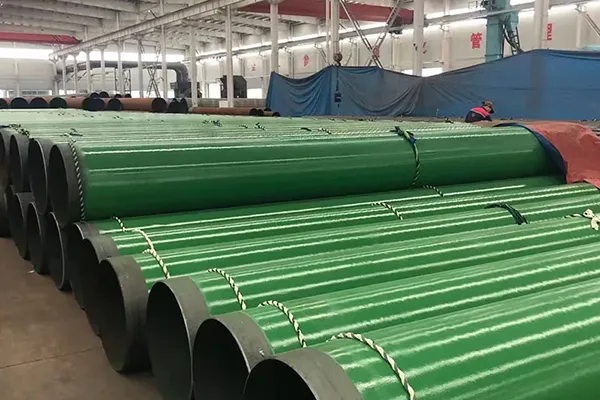
Epoxy-coated steel pipes are widely used in water transmission and industrial fluid systems. Their internal coating helps isolate the steel surface from the transported medium, but long-term performance also depends on water chemistry, temperature, flow conditions and operating practices. Changes in these conditions can affect coating suitability and overall pipeline performance. Operators should therefore monitor water quality and flow behavior as part of routine system management.


1. Understand the Water or Process Medium

Water quality varies with its source, treatment process and operating environment. Before selecting or operating an epoxy-coated pipe system, review the characteristics of the transported medium. Important parameters may include:
  • pH: Helps assess the chemical environment and its compatibility with the coating
  • Dissolved salts: Certain ions may influence the corrosivity of the water
  • Disinfectants: Chlorine, chloramines and other treatment chemicals require compatibility review
  • Suspended solids: Particles may contribute to abrasion, particularly in high-flow or impingement areas
  • Process chemicals: Industrial fluids may contain substances that require specific coating compatibility assessment
Compare actual service conditions with the coating manufacturer's technical data. If the water source, chemical treatment or fluid composition changes, reassess compatibility rather than assuming the original coating remains suitable.


2. Monitor Operating Temperature

Temperature affects both coating performance and pipeline operation. A coating system suitable for ambient-temperature water may not be appropriate for a process line operating at elevated temperatures. Review the expected continuous operating temperature as well as short-term temperature peaks during cleaning, disinfection or abnormal operating conditions. Temperature changes can also influence fluid viscosity, thermal expansion, pressure conditions and loads on supports and connections. Monitor unusual temperature excursions and investigate repeated operation outside the specified range. The allowable temperature must be confirmed against the coating manufacturer's data and the project's design requirements.


3. Control Flow Conditions and Localized Erosion

Flow conditions influence hydraulic performance and can affect the internal pipe surface. High flow velocity does not automatically cause epoxy coating damage. However, localized erosion may become a concern where high-velocity flow combines with suspended abrasive particles, turbulence or repeated impingement on the pipe wall. Pay particular attention to:
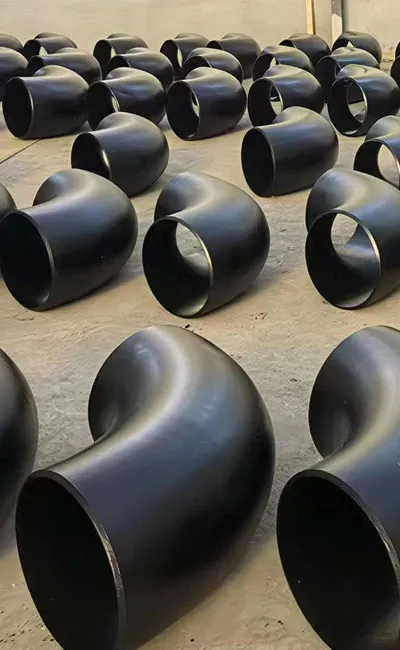
  • Elbows and bends
  • Reducers and flow transitions
  • Tees and valve areas
  • Locations with particle accumulation
  • Sections experiencing repeated pressure fluctuations
Frequent start-stop cycles may also contribute to pressure surges and mechanical stress. The appropriate flow range depends on pipe dimensions, fluid properties and system design. There is no single velocity limit for every epoxy-coated steel pipe installation. If abnormal vibration or recurring pressure fluctuations occur, investigate the hydraulic and mechanical causes. Replacing the coating alone will not correct an underlying system design or operating problem.


4. Manage Cleaning and Chemical Treatment

Cleaning and disinfection procedures must be compatible with the coating system and the pipeline design. Before introducing a cleaning chemical, verify its compatibility, concentration, temperature and contact time against the coating manufacturer's recommendations. Avoid unverified chemical combinations or cleaning procedures that exceed the specified operating conditions. Follow the approved flushing and treatment procedure after cleaning. Where required by the maintenance plan, review flushing records and inspect accessible areas for coating damage, deposits or unusual discoloration. The inspection scope should reflect the cleaning procedure and system risk.

5. Prevent Sediment and Deposits

Suspended solids may accumulate in low-flow areas, dead legs or poorly drained sections. Deposits can reduce the effective flow area and change local hydraulic conditions. Where abrasive particles are present, their movement may also increase localized wear, particularly around bends and other areas exposed to flow impingement. A maintenance program should identify areas prone to sediment accumulation. Depending on the system, suitable measures may include controlled flushing, filtration, drainage or operational adjustments. Cleaning methods must be suitable for the coating. Abrasive tools and aggressive mechanical cleaning should not be used without confirming that they will not damage the protective layer.


6. Monitor Changes in System Performance

Changes in pressure, flow, temperature or water quality may indicate a developing operational issue. Useful monitoring records include:
  • Inlet and outlet pressure
  • Flow rate and operating temperature
  • Water chemistry test results
  • Filter and strainer condition
  • Leakage and repair records
  • Abnormal vibration or noise
Review these measurements together rather than interpreting each one separately. For example, rising pressure combined with reduced flow may indicate a developing restriction. Unusual vibration accompanied by pressure fluctuations may require further hydraulic and mechanical assessment. Comparing current readings with established operating baselines helps maintenance teams identify unusual trends and decide when further investigation is needed.


7. Review the System When Conditions Change

A pipeline may operate under stable conditions for years before experiencing changes in its water source, chemical treatment, temperature or operating schedule. Any significant change should trigger a technical review covering:
  • Compatibility of the transported medium with the coating
  • Operating temperature and pressure conditions
  • Flow behavior and potential erosion risks
  • Connection and accessible coating condition
  • Inspection and maintenance requirements
This review is particularly important when new conditions fall outside the original design basis or coating manufacturer's recommendations.


Project Supply Considerations

Water quality and operating conditions should be considered before selecting an epoxy-coated steel pipe system. HNSSD supports project-based steel pipe supply through specification review, sourcing coordination, inspection arrangements and export documentation. By reviewing the intended application, base pipe requirements and coating specifications before order confirmation, HNSSD helps buyers align the proposed supply scope with project requirements.


FAQ

Q1. Does epoxy coating make a pipe suitable for every type of water?
A1: No. Suitability depends on the coating formulation, water chemistry, operating temperature and applicable project requirements. Compatibility should be confirmed with the coating manufacturer.
Q2. Can high flow velocity damage an epoxy coating?
A2: Not necessarily. The risk depends on flow conditions, particle content, turbulence and localized impingement. Areas such as bends and flow transitions may require particular attention.
Q3. Can any cleaning chemical be used in an epoxy-coated pipe?
A3: No. Chemical compatibility, concentration, temperature and contact time should be checked against the coating manufacturer's recommendations before cleaning.
Q4. Why should operators monitor pressure and flow together?
A4: Changes in pressure and flow may indicate restrictions, leakage or hydraulic instability. Reviewing both measurements alongside operating history helps identify conditions that require investigation.
Q5. What should happen if the transported medium changes?
A5: Review the new water chemistry, chemical treatment and operating conditions against the coating manufacturer's technical data and the original project requirements before continuing operation.

Latest news list

  • how to choose epoxy-coated steel pipe,epoxy-coated steel pipe selection,coated pipe buying guide,coated steel pipe for industrial projects,FBE vs liquid epoxy coating
    Choosing epoxy-coated steel pipe involves more than selecting a diameter and comparing prices,The pipe must meet the project's mechanical requirements,while the coating system must suit the transported medium,surrounding environment and installation conditions,A clear purchase specification helps buyers compare equivalent products,avoid missing technical requirements and reduce changes after an order is placed,
  • epoxy-coated steel pipe connection leakage,epoxy-coated pipe joints,steel pipe flange leakage,pipeline connection inspection
    An epoxy-coated steel pipe can meet its material and coating requirements and still develop leakage at a connection,The problem often comes from the joint assembly,sealing components or installation conditions rather than the straight pipe section,Epoxy coating provides corrosion protection on specified pipe surfaces,It does not replace the sealing function of gaskets,joint components or properly assembled connections,Preventing leakage requires attention to the complete connection system,from component selection to commissioning,
  • epoxy-coated steel pipe quality inspection,epoxy coating inspection,coating thickness test,holiday detection,steel pipe quality control
    The quality of an epoxy-coated steel pipe depends on two separate but closely related components: the steel pipe itself and the protective coating applied to its surface,A pipe may meet its dimensional and material requirements but still have coating defects,Similarly,an intact-looking coating cannot compensate for a base pipe that fails its product specification,A proper inspection therefore covers both components and follows the requirements agreed for the order,
  • prevent corrosion in epoxy-coated steel pipe,epoxy-coated pipe corrosion protection,steel pipe coating damage,pipeline corrosion prevention
    Epoxy-coated steel pipes are used in water transmission,industrial fluid systems and other applications where the steel surface needs protection from corrosion,The coating acts as a barrier between the steel substrate and its surrounding environment,but it does not make the pipeline immune to corrosion,amage during transportation,poor field-joint protection,unsuitable operating conditions and delayed repairs can expose the steel to corrosive substances,Preventing corrosion therefore requires attention throughout transportation,installation and operation,
  • epoxy-coated steel pipe manufacturing process,epoxy-coated pipe production,steel pipe surface preparation,fusion-bonded epoxy coating
    Epoxy-coated steel pipe combines the mechanical properties of a steel pipe with a protective coating designed to resist corrosion and protect the pipe surface,It is used in water transmission,industrial fluid systems,fire protection networks,and other applications where corrosion protection is required,The manufacturing process involves more than applying epoxy to a steel surface,The final coating quality depends on the base pipe,surface preparation,coating material,application conditions,curing,and inspection,Each stage must follow the requirements of the selected coating system and project specification,

Find what you need ?

close
We use cookies and other tracking technologies to improve your browsing experience on our website, to show you personalized content and targeted ads, to analyze our website traffic, and to understand where our visitors are coming from.