Advantages of hot-dip galvanized seamless steel tube
Date: 2022-11-04
Advantages of hot-dip galvanized seamless steel tube
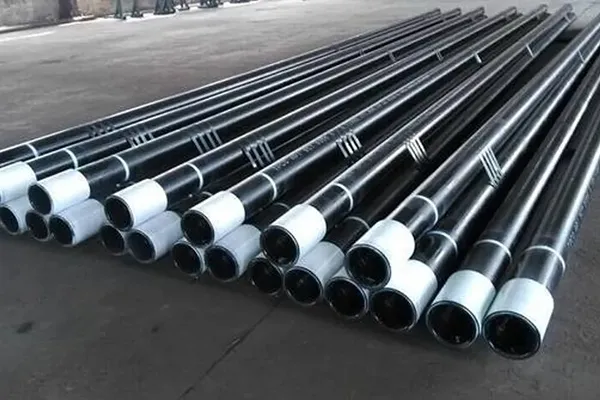
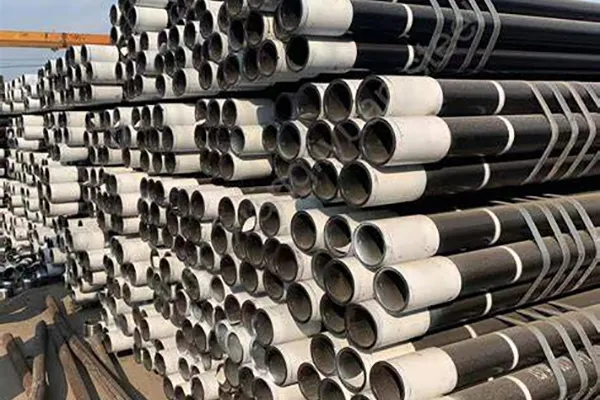
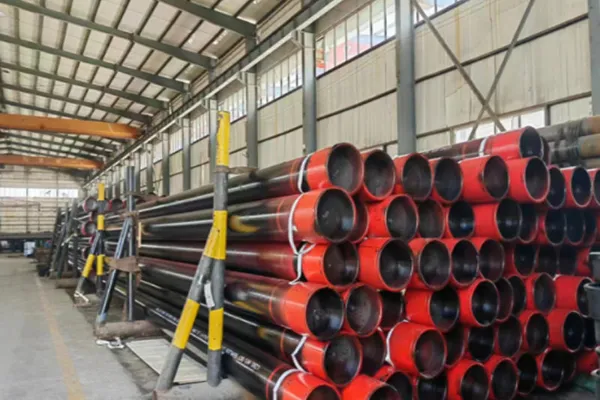
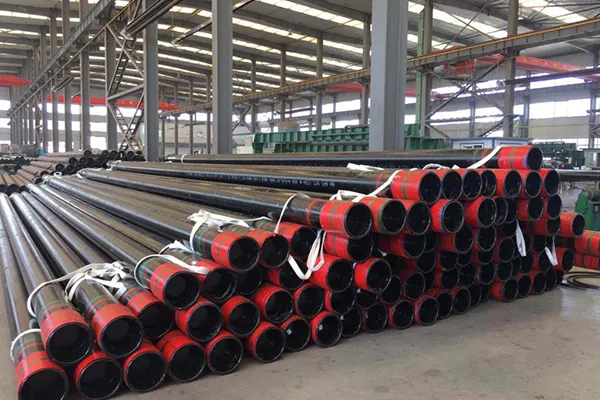
Hot-dip galvanized seamless tube is to make the molten metal react with the iron matrix to produce an alloy layer, so that the matrix and the coating are combined. Hot-dip galvanizing is to pickle the steel pipe first. In order to remove the iron oxide on the surface of the steel pipe, after pickling, it is cleaned in the tank of ammonium chloride or zinc chloride aqueous solution or mixed aqueous solution of ammonium chloride and zinc chloride, and then sent to the in the hot dip bath. Hot-dip galvanizing has the advantages of uniform coating, strong adhesion and long service life.
1. High pressure resistance: hot-dip galvanized seamless tube can withstand higher pressure.
2. Long average service life: paints with an average adhesion of 500g/m2 can be kept for more than 50 years without maintenance in dry and suburban environments.
3. No maintenance required during use: Hot-dip galvanized seamless tubes have excellent weather resistance and long service life, and require no maintenance costs. Compared to painting, it requires regular maintenance, which saves a lot of money and social costs.
4. Good sturdiness, can withstand mechanical damage from handling and lifting: The galvanized layer is an alloy structure with very good hardness and mechanical properties.
5. Local damage or minor defects are still protective: Since zinc is more chemically active than iron, even minor defects can protect exposed steel, which is the protective property of sacrificial anodes.
6. Comprehensive protection, no dead angle: the working characteristics of hot-dip galvanized seamless tube must fully immerse the workpiece in liquid zinc, so that every corner of the workpiece can be in contact with each other, especially the sharp angle and concave surface can thicken the coating, which It is also a place that cannot be reached by spraying.
7. Does not affect the mechanical properties of the original design: hot-dip galvanizing has no effect on the mechanical properties of the seamless tube (SMLS).
Difference between hot galvanizing and cold galvanizing:
Hot-dip galvanized seamless tube: complex physical and chemical reactions occur between the steel pipe matrix and the molten plating solution to form a corrosion-resistant zinc-iron alloy layer with a tight structure. The alloy layer is integrated with the pure zinc layer and the steel tube substrate. Therefore, it has strong corrosion resistance.
Cold galvanized seamless tube: The zinc layer is an electroplating layer, and the zinc layer is independently layered with the steel pipe substrate. The zinc layer is thin, and the zinc layer simply adheres to the steel pipe substrate and is easy to fall off. Therefore, its corrosion resistance is poor. In newly built houses, it is forbidden to use cold galvanized steel pipes as water supply pipes.
Post time: Nov-04-2022










 English
 Español
 русский язык
 Português












