Material analysis of 3PE anti-corrosion steel pipe
Date: 2022-11-07
Material analysis of 3PE anti-corrosion steel pipe
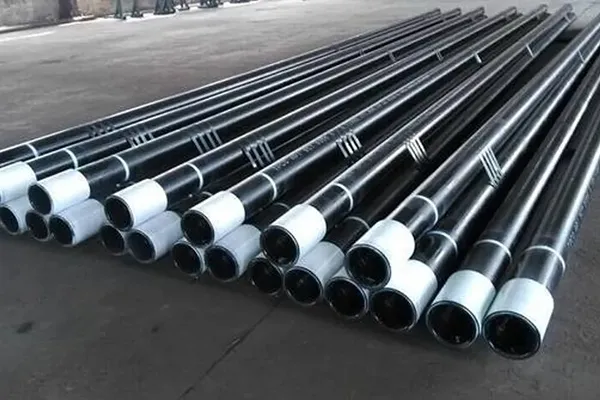
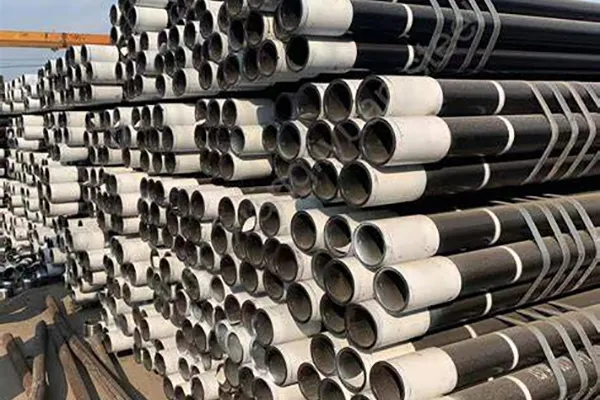
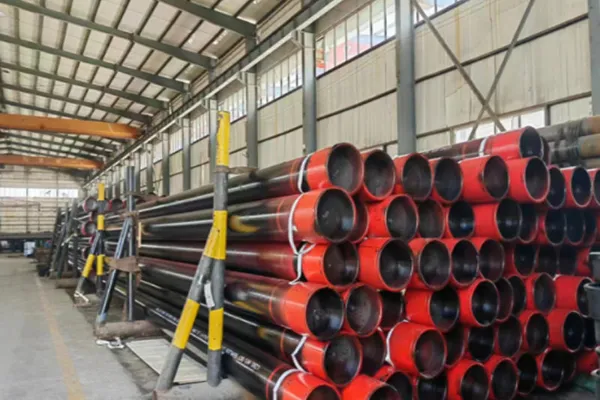
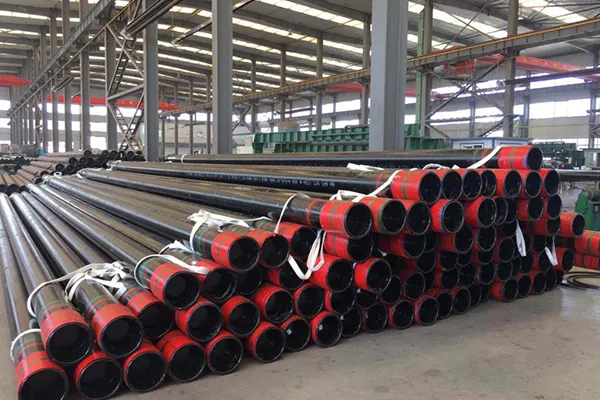
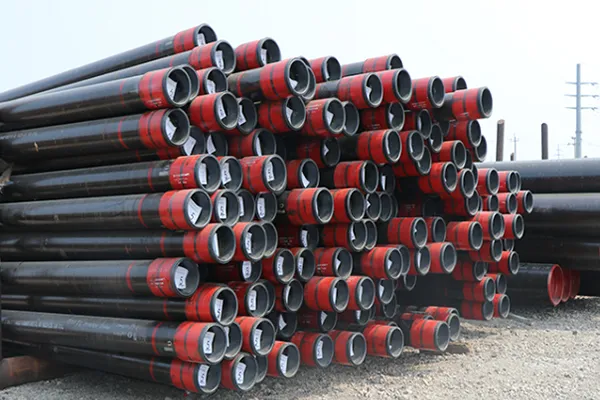
3PE anti-corrosion steel pipe base material includes seamless steel pipe, spiral steel pipe and straight seam steel pipe. The three-layer polyethylene (3PE) anti-corrosion coating has been widely used in the oil pipeline industry due to its good corrosion resistance, water vapor permeability resistance and mechanical properties.
Introduction of anti-corrosion layer of 3PE anti-corrosion steel pipe:
The anti-corrosion layer of 3PE anti-corrosion steel pipe is very important for the life of buried pipelines. Some pipes of the same material are buried underground for decades without corrosion, and some leak for several years. It is because they use different outer anti-corrosion layers.
3PE anticorrosion is generally composed of 3 layers:
One layer of epoxy powder (FBE>100um)
Two-layer adhesive (AD) 170~250um
Three layers of polyethylene (PE) 2.5~3.7mm
In actual operation, the three materials are mixed and integrated, and after processing, they are firmly combined with the steel pipe to form an excellent anti-corrosion layer. The processing methods are generally divided into two types: winding type and round mold wrapping type.
3PE anti-corrosion steel pipe advantages:
The coating of 3PE anti-corrosion steel pipe is that the bottom layer and the steel pipe surface are in contact with epoxy powder anti-corrosion coating, and the middle layer is a copolymerized adhesive with branched functional groups. The surface layer is high-density polyethylene anti-corrosion coating. 3PE anti-corrosion steel pipe coating (three-layer polyethylene anti-corrosion coating) is a new anti-corrosion produced by ingeniously combining the European 2PE anti-corrosion coating and the epoxy powder anti-corrosion steel pipe coating (FBE) widely used in North America. Steel pipe coating. It has been recognized and used all over the world for over ten years.
3PE anti-corrosion steel pipe inspection process:
First, the anti-corrosion steel pipe is inspected, and the steel pipe is inspected according to various conditions to make it meet the conditions for making the thermal insulation steel pipe. Check whether the steel pipe is corroded, check and remove the embroidery on the steel pipe. The next step is to put the rust-proof and anti-corrosion steel pipe in a polyethylene casing for pipe forming. After the head is repaired, polyurethane foam is injected into it to fully fill the gap to make it fully filled. Inspection of anti-corrosion steel pipes, and inspection of finished products for thermal insulation steel pipes that have been completed.
3PE anti-corrosion steel pipe base material needs to check and record the steel pipe entering the pipe entry platform before the anti-corrosion treatment, and shot blasting and rust removal on the outer surface of the steel pipe, and then check whether the cleanliness of the outer surface of the steel pipe and the depth of the anchor pattern meet the requirements. Those that do not meet the requirements are polished and repaired by hand with a grinding wheel, and tape paper is wrapped around the pipe end, dust treatment, intermediate frequency heating to the required temperature, epoxy powder spraying, adhesive extruder side winding, PE extruder side winding and burning, anti-corrosion The pipes are cooled with water, and the qualified products are sprayed and marked, and the platform and stacking of the pipes are ready to be shipped.
Post time: Nov-07-2022










 English
 Español
 русский язык
 Português












