Decoding 40 galvanized steel pipes from production standards to practical applications
Date: 2025-02-27
Decoding 40 galvanized steel pipes from production standards to practical applications
In the fields of construction, water supply and drainage, agricultural irrigation, etc., galvanized steel pipes are favored for their excellent anti-rust performance and long service life. Among them, 40 galvanized steel pipes are a common specification, and their outer diameter size is of great significance in engineering.
First, the outer diameter of 40 galvanized steel pipes
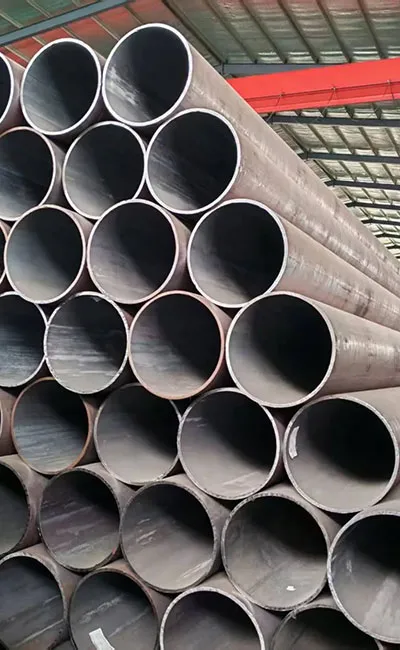
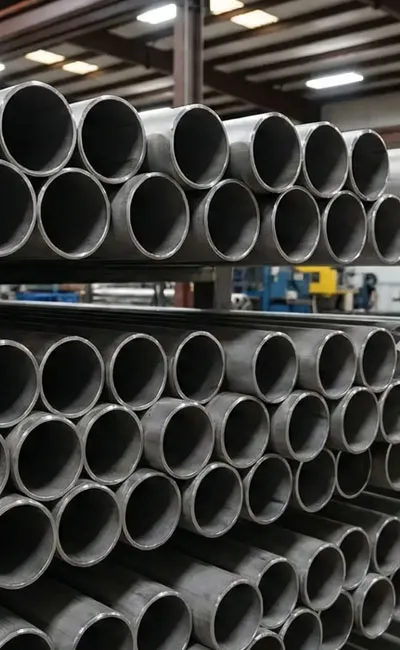
The outer diameter of 40 galvanized steel pipes usually refers to the length of the outer diameter of the pipe. According to different production standards, such as national standards, American standards, etc., and the thickness of the pipe wall, there may be certain differences in the outer diameter. For example, the outer diameter of 40 galvanized steel pipes produced according to the national standard (GB/T3091-2015) is usually 48 millimeters (mm), and the wall thickness is usually between 2.5-3 mm.
Second, production standards and practical applications
Different countries and regions have different regulations on the production standards of galvanized steel pipes, and these differences will affect the outer diameter and performance of the pipes. For example, the outer diameter of the 40 galvanized steel pipe specified by the American standard (ASTMA53) is 47.6 millimeters (mm), while the outer diameter of the 40 galvanized steel pipe specified by the European standard (DIN1689) is 48 millimeters (mm). In practical applications, the selection of national standard or non-national standard galvanized steel pipes that meet the requirements of the project needs to be selected according to the specific needs of the project and the specifications of the location.
Third, the relationship between the outer diameter and the inner diameter
In addition to paying attention to the outer diameter, the inner diameter of the galvanized steel pipe is also an important parameter to measure its performance. The relationship between the inner diameter and the outer diameter directly affects the flow rate and fluid resistance of the pipeline. Generally speaking, when the wall thickness of the pipe is the same, the smaller the difference between the inner diameter and the outer diameter, the stronger the flow capacity of the pipeline. Therefore, choosing a suitable ratio of outer diameter to inner diameter is crucial to ensure the normal operation of the pipeline system.
Fourth, outer diameter and connection method
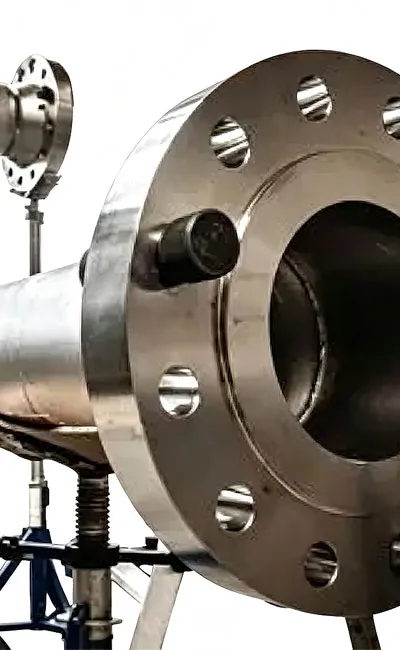
The connection method of the galvanized steel pipe will also be affected by the outer diameter. For example, for pipes with a larger outer diameter, it may be necessary to use a flange connection or welding. Pipes with a smaller outer diameter may use a socket connection or threaded connection. Understanding the connection methods applicable to galvanized steel pipes of different outer diameters will help to reasonably choose the connection methods in the project and improve construction efficiency.
Fifth, how to ensure that the appropriate 40 galvanized steel pipe is purchased
When purchasing 40 galvanized steel pipes, first of all, we must clarify the project requirements and specifications to ensure that the selected pipes meet the standards. Secondly, we must pay attention to the qualifications and reputation of the manufacturer to avoid purchasing inferior products. Finally, we must conduct quality inspections on the purchased pipes, including parameters such as appearance, size, and wall thickness to ensure that they meet the requirements. Through the above steps, it can be effectively guaranteed that the purchased 40 galvanized steel pipes can meet the needs of the project and provide guarantees for the smooth implementation of the project.
In summary, understanding the outer diameter of 40 galvanized steel pipes and related factors is crucial for the correct selection of this type of pipe. From production standards to practical applications, every link requires us to carefully consider and make scientific decisions. In future engineering construction, with the continuous advancement of technology and the continuous improvement of application needs, the galvanized steel pipe industry will also face new challenges and opportunities. Let us keep up with the pace of the times and jointly promote the healthy development of the galvanized steel pipe industry!
Post time: Feb-27-2025










 English
 Español
 русский язык
 Português