The production process of 377mm seamless steel pipe in industrial projects
Date: 2025-02-26
The production process of 377mm seamless steel pipe in industrial projects
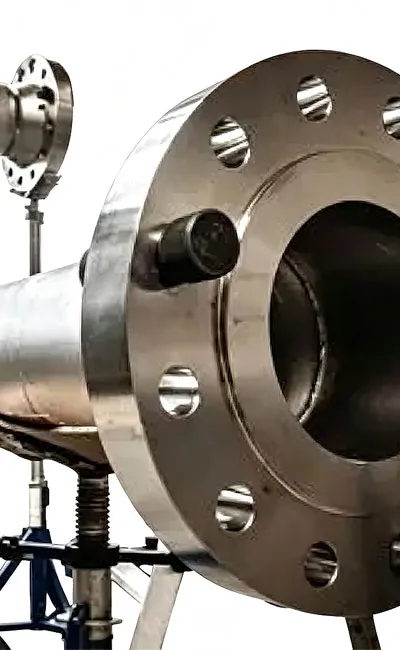
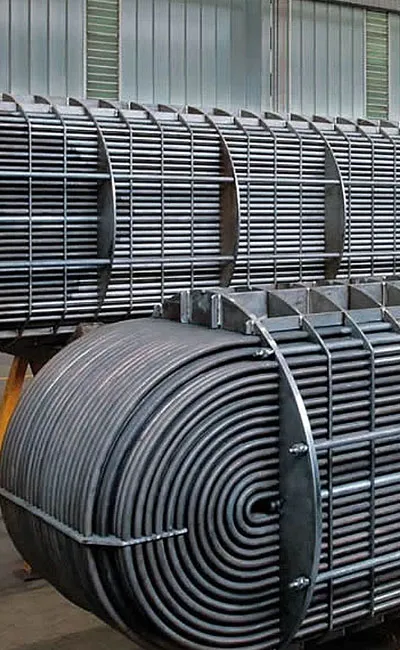
As an important building material, seamless steel pipe is widely used in many fields such as construction, petroleum, chemical industry, and electric power. Among the specifications of seamless steel pipes, 377mm seamless steel pipe wall thickness is a relatively common specification and the first choice for many engineering projects.
First, the definition of 377mm seamless steel pipe wall thickness
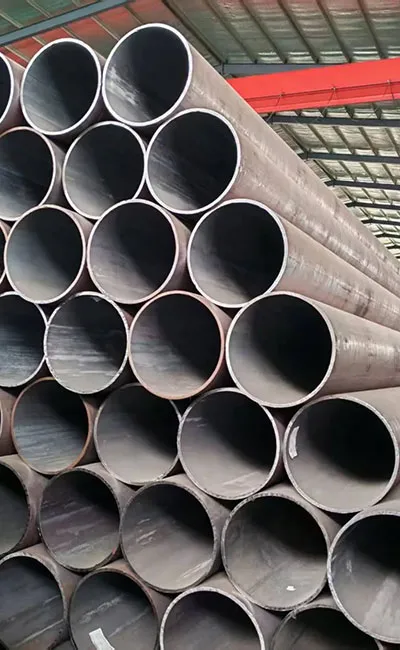
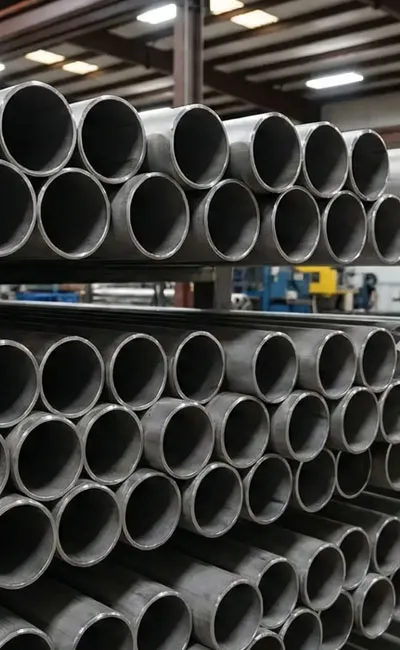
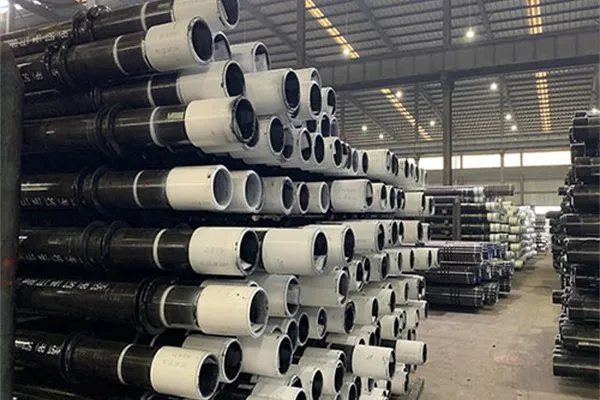
Seamless steel pipe is a pipe made by hot rolling, cold drawing, or extrusion. Its length and diameter are generally large and there is no welding seam. The wall thickness of 377mm seamless steel pipe refers to the outer diameter of this pipe is 377mm, and the thickness of its pipe wall also needs to meet certain standards.
Second, the standard 377mm seamless steel pipe wall thickness
For the wall thickness of 377mm seamless steel pipe, its standard is mainly based on relevant national standards and industry specifications. Specific standards may vary depending on different application areas and manufacturers, but in general, the wall thickness of 377mm seamless steel pipes should meet the following standards:
1. The wall thickness should be uniform, and no obvious uneven thickness should occur;
2. The inner and outer surfaces of the pipe should be smooth, and there should be no defects such as cracks, folds, or delamination;
3. The mechanical properties of the pipe should meet the relevant standards, such as tensile strength, yield point, and other indicators should meet the specified requirements.
Third, the production process of 377mm seamless steel pipe wall thickness
The production process of 377mm seamless steel pipe wall thickness mainly includes the following steps:
1. Ingot heating: The ingot is heated to a certain temperature to give it good plasticity and toughness.
2. Perforation: The heated ingot is passed through a fixed hole to form a tube blank.
3. Rolling: The tube blank is rolled to make it into the desired tube shape and size.
4. Heat treatment: The tube is heat treated to improve its mechanical properties and corrosion resistance.
5. Finishing: Surface treatment and finishing of the pipe to remove surface defects and unevenness.
6. Inspection: Quality inspection of the pipe to ensure that it meets relevant standards and customer requirements.
Throughout the production process, each step requires strict quality control and technical requirements to ensure that the quality and performance of the final product meet the standards. At the same time, parameters such as temperature, pressure, and time in the production process also need to be precisely controlled.
Fourth, the application of 377mm seamless steel pipe wall thickness
Due to the good mechanical properties, corrosion resistance, and processing performance of 377mm seamless steel pipe wall thickness, it is widely used in the following fields:
1. Construction field: As an important part of the building structure, it is used to manufacture beams, columns, plates, and other components, and can also be used to manufacture temporary structures such as scaffolding and formwork.
2. Petrochemical field: used to manufacture petroleum and chemical pipelines, with good corrosion resistance and sealing.
3. Power field: used to manufacture the piping system of power station boilers, requiring high strength and high temperature resistance.
4. Other fields: It can also be used in shipbuilding, machinery manufacturing, transportation, and other fields.
As an important building material, the quality and performance of 377mm seamless steel pipe wall thickness directly affect the safety and reliability of the project. It is very necessary for engineering technicians and purchasing personnel to understand the definition, standards, production process, and application of 377mm seamless steel pipe wall thickness. When selecting and using 377mm seamless steel pipe wall thickness, multiple factors such as quality, performance, price, etc. should be fully considered, and reputable manufacturers and brands should be selected to ensure the quality and safety of the project. At the same time, strengthening research and development and technological innovation, and continuously improving the performance and quality of seamless steel pipes are also the key to promoting the sustainable development of my country’s seamless steel pipe industry.
Post time: Feb-26-2025










 English
 Español
 русский язык
 Português