Details and applications of seamless steel pipe DN36 wall thickness
Date: 2024-04-17
Details and applications of seamless steel pipe DN36 wall thickness
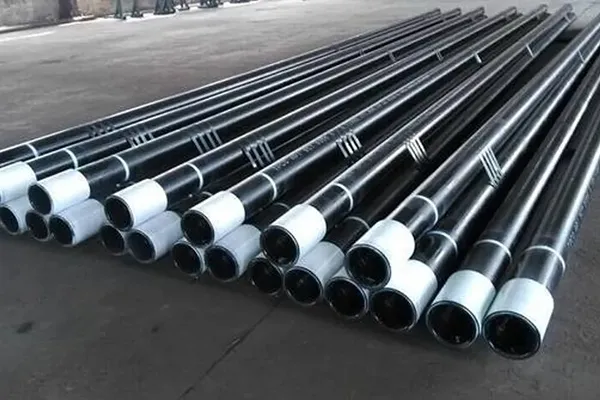
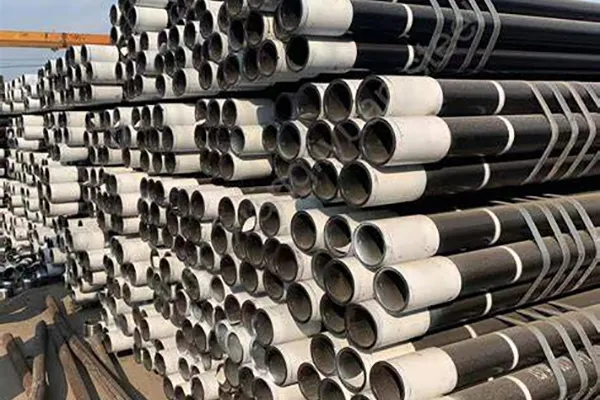
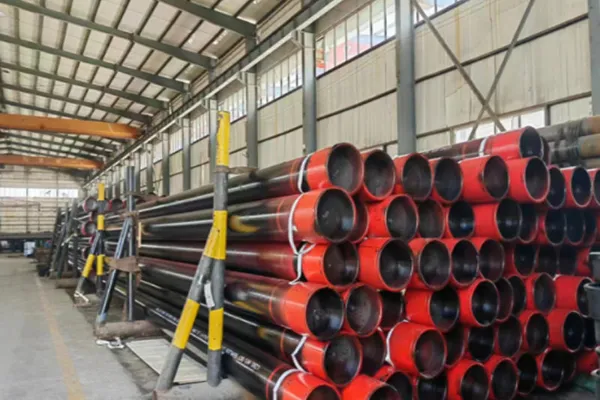
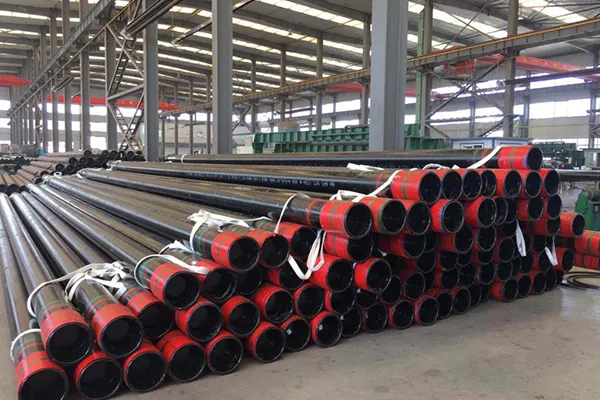
As an important steel product, seamless steel pipe is widely used in various fields, such as petroleum, chemical industry, electric power, construction, machinery manufacturing, etc. Among them, DN36 seamless steel pipes are in high demand in many projects.
First, the basic concept of seamless steel pipe DN36
1. DN (Diamètre Nominal): Nominal diameter, which is a way of expressing pipe specifications and is used to express the size of the pipe. In Europe, Asia, Africa, and other regions, DN series pipe specifications are widely used.
2. DN36: Pipe with a nominal diameter of 36mm. Here, we mainly discuss DN36 seamless steel pipes.
3. Wall thickness: The wall thickness of a pipe refers to the difference between the outer diameter and the inner diameter of the pipe, that is, the thickness of the pipe wall. Wall thickness is an important parameter of seamless steel pipes, which directly affects its mechanical properties and ability to withstand pressure.
Second, the selection and calculation of the wall thickness of DN36 seamless steel pipe
The wall thickness selection of seamless steel pipe DN36 should be based on actual engineering needs and design specifications. In practical applications, the selection of wall thickness is mainly affected by the following factors:
1. Working pressure: The working pressure of seamless steel pipe DN36 directly affects the selection of its wall thickness. The higher the pressure, the greater the wall thickness required to ensure the safety and stability of the pipeline.
2. Medium characteristics: The properties of the conveyed medium, such as temperature, corrosiveness, etc., will also affect the selection of wall thickness. For example, in a high-temperature environment, the pipe material may creep, resulting in thinning of the wall thickness. In this case, a seamless steel pipe with a larger wall thickness needs to be selected.
3. Pipeline laying environment: The geological conditions of the pipeline laying environment, earthquake intensity and other factors should also be taken into consideration. For example, in earthquake-prone areas, seamless steel pipes with larger wall thickness should be selected to improve the seismic performance of the pipeline.
In actual engineering design, you can refer to relevant design specifications and standards, such as GB/T 18248-2016 “Seamless Steel Pipe”, GB/T 3091-2015 “Welded Steel Pipe for Low-Pressure Fluid Transport”, etc., to determine the DN36 wall thickness of seamless steel pipes. selection and calculation.
Third, the impact of seamless steel pipe DN36 wall thickness on the performance
1. Mechanical properties: The larger the wall thickness, the better the mechanical properties of seamless steel pipe DN36, and the tensile, compressive, bending, and other properties can be improved. Seamless steel pipes with larger wall thickness have higher safety when withstanding harsh working conditions such as high pressure and high temperature.
2. Lifespan: The greater the wall thickness, the longer the service life of the seamless steel pipe DN36. When transporting corrosive media, seamless steel pipes with larger wall thickness have better corrosion resistance, thus extending their service life.
3. Installation and maintenance: The greater the wall thickness, the difficulty and cost of installing seamless steel pipe DN36 will increase accordingly. At the same time, during the pipeline maintenance and repair process, the replacement and repair costs of seamless steel pipes with larger wall thickness will also be higher.
Therefore, when selecting the wall thickness of seamless steel pipe DN36, all factors should be considered comprehensively to select a wall thickness that not only meets the engineering needs but is also economical and reasonable.
Fourth, application cases of seamless steel pipe DN36 in actual projects
Here are several application cases of seamless steel pipe DN36 in actual projects for reference:
1. Oil and gas transportation: In long-distance oil and gas transmission pipeline projects, seamless steel pipes DN36 are widely used in branch lines, stations, and supporting projects, such as the China-Russia East Line Natural Gas Pipeline Project.
2. Chemical industry: In chemical enterprises, seamless steel pipes DN36 are used to transport various chemical raw materials and products, such as fertilizers, pesticides, dyes, etc. At the same time, it is also used in the manufacture of chemical equipment, such as heat exchangers, reactors, etc.
3. Construction industry: In the construction industry, seamless steel pipe DN36 is used for structural support, scaffolding, formwork support, etc. of high-rise buildings. In addition, it is also used in water supply, drainage, gas, and other pipeline systems in municipal projects.
The selection and calculation of the wall thickness of seamless steel pipe DN36 should be based on actual engineering needs and design specifications. In practical applications, working pressure, medium characteristics, pipeline laying environment, and other factors should be comprehensively considered to select a wall thickness that not only meets the engineering needs but is also economical and reasonable. Seamless steel pipe DN36 has wide application prospects in many fields such as petroleum, the chemical industry, construction, and so on.
Post time: Apr-17-2024










 English
 Español
 русский язык
 Português












