Company News

Hunan Great Steel Pipe Co., Ltd
api 51 line pipe,straight seam welded pipe,seamless pipe

How to install galvanized steel pipe

Date: 2024-01-08
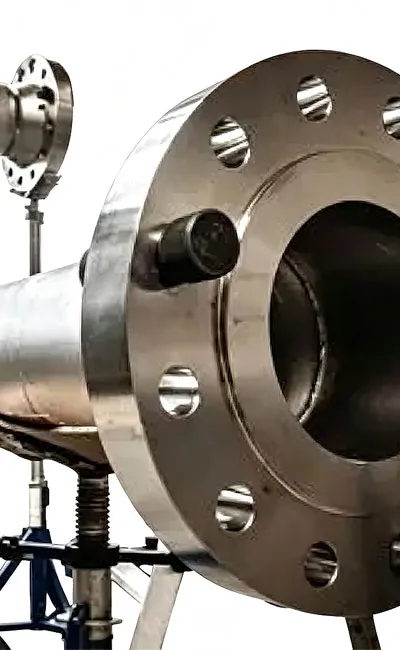
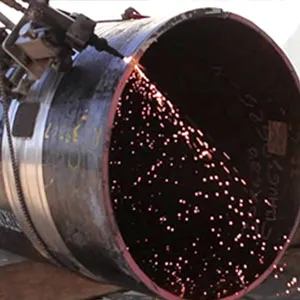
How to install galvanized steel pipe 1. Select the appropriate connection method according to the diameter and specific conditions of the pipe. ①Welding: Installation will begin at the appropriate time according to the on-site progress. Fix the brackets in advance, draw a sketch according to the actual size, and prefabricate the pipes to minimize fittings and welding dead joints on the pipes. The pipes should be straightened in advance, and the opening should be closed when the installation is interrupted. If the design requires casing, the casing should be added during the installation process. According to the requirements of the design and equipment, reserve the interface, seal it, and prepare for the next step of testing. Stress work. ②Threaded connection: Pipe threads are processed using a threading machine. Manual threading can be used for 1/2″-3/4″ pipes. After threading, the pipe opening should be cleaned and kept smooth. Broken threads and missing threads should not exceed 10% of the total number of threads. The connection should be firm, with no exposed lint at the root. The exposed thread at the root should not be more than 2-3 buckles, and the exposed part of the thread should be well anti-corrosion. ③Flange connection: Flange connections are required at the connections between pipes and valves. Flanges can be divided into flat welding flanges, butt welding flanges, etc. The flanges are made of finished products. The center line of the flange and the pipe are perpendicular, and the pipe opening must not protrude from the flange sealing surface. The bolts that fasten the flange should be brushed with lubricating oil before use. They should be symmetrically crossed and tightened in 2-3 times. The exposed length of the screw should not exceed 1/2 of the screw diameter. The nuts should be on the same side. The flange gasket should not protrude into the pipe. , there must be no inclined pad or more than two pads in the middle of the flange. 2. Anti-corrosion: The exposed galvanized pipes should be painted with two coats of silver powder, and the hidden galvanized pipes should be painted with two coats of asphalt. 3. Before laying and installing pipelines, the internal dirt should be cleaned up to prevent welding slag and other garbage from falling into the pipes. The installed pipelines must be bandaged and sealed. 4. After construction is completed, the entire system should undergo a hydrostatic pressure test. The pressure of the domestic water supply part is 0.6mpa. If the pressure drop is not more than 20kpa within five minutes, it is qualified. Post time: Jan-08-2024

Latest news list

  • stainless seamless steel pipe,high temperature stainless steel pipe,stainless steel pipe selection
    High-temperature piping requires more than simply selecting a stainless steel grade,As temperature increases,material strength,corrosion behavior,thermal expansion,pressure resistance,and long-term stability become increasingly important,For this reason,stainless seamless steel pipe should be selected against the complete service condition rather than temperature alone,
  • stainless seamless steel pipe,stainless seamless steel pipe manufacturing,stainless steel pipe quality control
    Stainless seamless steel pipe is used in chemical processing,oil and gas,power generation,water treatment,food processing,and other applications where material performance and pressure integrity matter,But a finished pipe does not become reliable simply because it is made from stainless steel,Its quality is built through material control,forming,heat treatment,dimensional control,inspection,and traceability,Understanding how stainless seamless steel pipe is manufactured gives engineers and technical buyers a better way to evaluate suppliers beyond price,surface appearance,or a product catalogue,
  • LSAW steel pipe maintenance,LSAW pipe maintenance,LSAW steel pipe inspection,LSAW pipeline maintenance
    Installing a properly specified LSAW steel pipe does not eliminate the need for pipeline maintenance,Once a pipeline enters service,corrosion,coating deterioration,mechanical loading,ground movement,operating changes,and environmental exposure can gradually affect its condition,For large-diameter pipelines,a practical maintenance program should focus on identifying changes early and taking corrective action before a manageable condition develops into an integrity problem,The objective is not simply to inspect the pipe,It is to understand the condition of the complete pipeline system and respond based on evidence,
  • LSAW steel pipe,LSAW steel pipe for high pressure,high-pressure pipeline,LSAW pipe wall thickness
    High-pressure pipeline systems place demanding requirements on pipe material,dimensions,weld integrity,inspection,and operating conditions,For large-diameter pipelines,LSAW steel pipe can be an effective solution because its manufacturing process allows large outside diameters and substantial wall thicknesses to be produced from steel plate,However,selecting LSAW steel pipe for pressure service is not simply a matter of choosing a thicker wall,The pipe specification needs to match the actual design pressure,temperature,fluid,diameter,applicable code,and service environment,
  • LSAW steel pipe corrosion,LSAW steel pipe coating,3PE coated LSAW steel pipe,FBE coated steel pipe
    LSAW steel pipe is widely used for large-diameter water transmission,buried pipelines,and other infrastructure projects where strength,dimensional control,and long-term service reliability are important,However,pipe strength alone does not prevent corrosion,For buried or water pipeline systems,corrosion protection should be considered from material selection and coating through transportation,field welding,installation,and long-term inspection,A coating system should also be selected according to the actual operating environment rather than simply by initial cost,

Find what you need ?

close
We use cookies and other tracking technologies to improve your browsing experience on our website, to show you personalized content and targeted ads, to analyze our website traffic, and to understand where our visitors are coming from.