How to make hot-dip galvanized steel pipe
Date: 2024-03-01
How to make hot-dip galvanized steel pipe
Hot-dip galvanized steel pipe is a common building material with the characteristics of corrosion resistance, wear resistance, and long life. So, how are hot-dip galvanized steel pipes made?
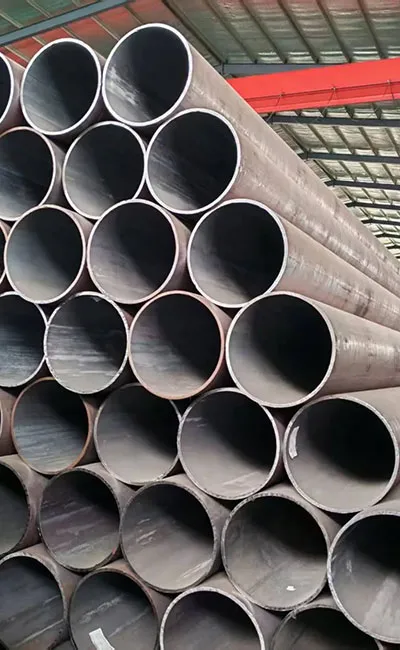
1. Raw material preparation: The main raw material of hot-dip galvanized steel pipe is ordinary carbon steel pipe. During the manufacturing process, you first need to select the appropriate steel material and ensure that its quality meets relevant standards.
2. Steel pipe pretreatment: Before hot-dip galvanizing, the steel pipe needs to go through a series of pretreatment processes. First, the steel pipe is pickled, and rust is removed to remove oxides, grease, and other impurities on the surface. Then, clean the steel pipe to ensure surface cleanliness. This will prepare you for the subsequent galvanizing process.
3. Galvanizing process: Hot-dip galvanizing is a process in which steel pipes are immersed in molten zinc liquid to form a zinc layer on the surface. The specific galvanizing process includes the following steps:
a. Pickling: The pretreated steel pipe is immersed in an acid solution for pickling treatment to remove oxides and impurities on the surface. This step helps improve the adhesion of the galvanized layer to the surface of the steel pipe.
b. Soaking: Immerse the pickled steel pipe into the preheated ammonium chloride solution. This step helps remove oxides from the surface of the steel pipe and provides a good foundation for subsequent galvanizing.
c. Drying: Take the soaked steel pipe out of the solution and dry it to remove moisture on the surface.
d. Preheating: Send the dried steel pipe into the preheating furnace for preheating treatment. The control of preheating temperature is crucial to the subsequent galvanizing effect.
e. Galvanizing: Dip the preheated steel pipe into the molten zinc liquid. In the zinc liquid, the iron on the surface of the steel pipe reacts with zinc to form a zinc-iron alloy coating. This step requires controlling the galvanizing time and temperature to ensure the uniformity and quality of the coating.
f. Cooling: The galvanized steel pipe is taken out of the zinc liquid and cooled. The purpose of cooling is to solidify the coating and improve its adhesion.
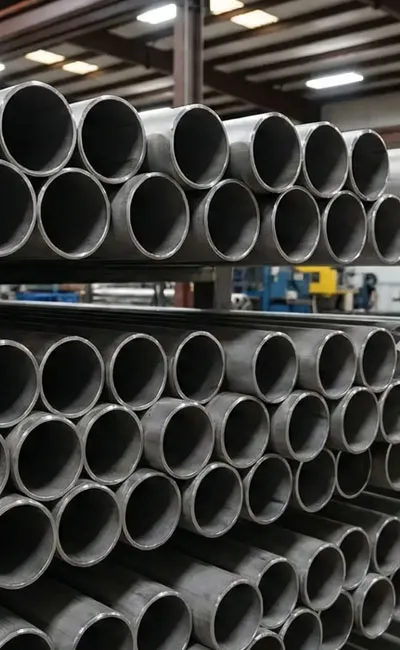
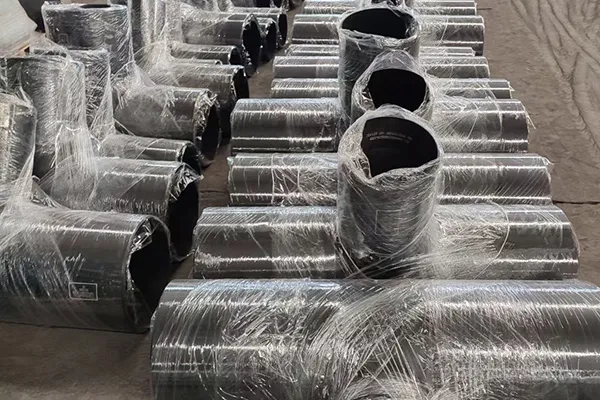
4. Inspection and packaging: Galvanized steel pipes need to be inspected to ensure that their quality meets relevant standards. The inspection content includes appearance quality, coating thickness, adhesion, etc. Qualified steel pipes will be packaged to prevent damage during transportation and use.
The manufacturing process of hot-dip galvanized steel pipes is relatively complex and requires multiple processes. However, this process can provide steel pipes with excellent anti-corrosion properties and a beautiful appearance, making them widely used in construction, transportation, petrochemicals, and other fields.
To sum up, the manufacturing process of hot-dip galvanized steel pipes includes raw material preparation, steel pipe pretreatment, galvanizing process, inspection, and packaging. Through these process steps, hot-dip galvanized steel pipes with reliable quality can be manufactured to meet the needs of various engineering projects. Hot-dip galvanized steel pipe has become one of the indispensable materials in the construction field due to its excellent anti-corrosion properties and beautiful appearance. In future development, with further innovation and improvement of process technology, the manufacturing process of hot-dip galvanized steel pipes will also be continuously improved to provide better solutions for applications in more fields.
Post time: Mar-01-2024










 English
 Español
 русский язык
 Português